




What Is Biodiversity Conservation and Why Is It Important
Biodiversity conservation is the key to maintaining our planet’s rich variety of life. In this guide, we explain what biodiversity conservation is and its methods—including both in situ conservation of biodiversity and ex-situ conservation of biodiversity. We also explore the role of human beings in biodiversity conservation, discuss the biodiversity conservation of flora, and highlight the importance of biodiversity conservation for our natural world. Read on to understand how every living being contributes to the conservation of biodiversity and why adopting effective biodiversity conservation methods is essential for a sustainable future.
Also Read Ex-Situ and In-Situ Biodiversity Conservation
Introduction
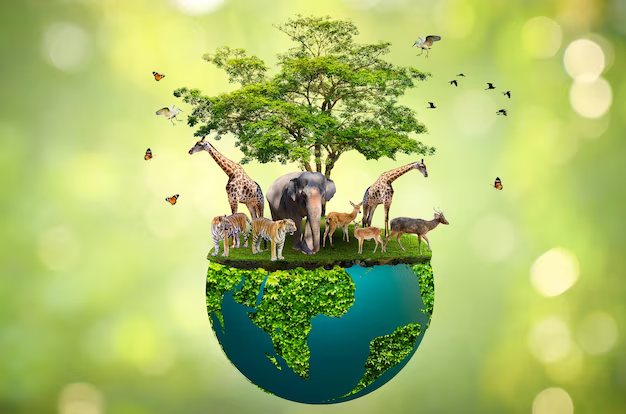
Biodiversity conservation is the protection, management, and sustainable utilisation of nature’s variety. So, what is biodiversity conservation? It is a process aimed at safeguarding the rich diversity of life—including animals, plants, and microorganisms—for both current and future generations. This practice not only ensures the conservation of biodiversity but also maintains essential ecological processes that support our existence. Through careful planning and community engagement, we can secure sustainable benefits from nature while preserving its inherent beauty.
Also Check: Biodiversity Flowchart
Understanding Biodiversity and its Conservation
Biodiversity encompasses the variety of life on Earth, from the smallest microbe to complex ecosystems. The biodiversity conservation approach involves preserving species diversity, genetic variation, and ecosystem services. Whether we talk about biodiversity conservation of flora or fauna, the goal remains the same: to create balanced, healthy ecosystems that benefit all life forms.
To summarise:
Biodiversity represents life’s variety.
Biodiversity conservation ensures that this diversity is protected.
Sustainable ecosystems depend on the effective conservation of biodiversity.
Also Read: Biodiversity in Plants and Animals
Biodiversity Conservation Methods: In Situ and Ex Situ
There are several biodiversity conservation methods available today. The two primary approaches are:
In situ conservation of biodiversity: Preserving species within their natural habitats.
Ex-situ conservation of biodiversity: Safeguarding species outside their natural environments in controlled settings.
In Situ Conservation of Biodiversity
In situ conservation of biodiversity involves protecting species in their natural habitats. This method is cost-effective and allows species to continue evolving naturally. Key points include:
Natural Habitat Preservation: Protected areas such as national parks, wildlife sanctuaries, and biosphere reserves ensure that native species thrive.
Ecosystem Stability: Organisms conserve their ecological relationships, which supports the conservation of biodiversity by maintaining balanced interactions.
Adaptive Evolution: Species remain within their dynamic natural ecosystems, which fosters resilience against environmental changes.
Read More: National Parks and Sanctuaries
Examples of in situ conservation include:
National Parks: These are demarcated reserves where human activities are strictly controlled.
Wildlife Sanctuaries: Areas where wild animals live free, though some regulated human activities (such as non-invasive tourism) are permitted.
Biosphere Reserves: Regions where conservation of biodiversity, including biodiversity conservation of flora, coexists with research and sustainable development.
In situ, the conservation of biodiversity is a cornerstone of effective environmental protection and forms the basis for many national and international conservation policies.
Ex-Situ Conservation of Biodiversity
In contrast, ex-situ conservation of biodiversity involves the preservation of species outside their natural environments. This method is particularly useful for species at immediate risk of extinction. Key advantages include:
Controlled Breeding: Zoos, botanical gardens, gene banks, and nurseries offer controlled environments to breed endangered species.
Research and Genetic Preservation: These facilities help maintain genetic diversity, ensuring that species can be reintroduced into the wild if conditions improve.
Reduced Competition: In these artificial habitats, species face less competition for resources, giving them a better chance to multiply and survive.
Strategies and Unique Approaches in Biodiversity Conservation
Effective biodiversity conservation requires a multi-pronged approach. Here are some strategies and unique ideas that extend beyond traditional methods:
Comprehensive Resource Mapping: Identify and categorise economically and ecologically significant species, including detailed biodiversity conservation of flora and fauna.
Sustainable Resource Management: Ensure that natural resources are used efficiently without compromising the conservation of biodiversity.
Pollution Control and Reforestation: Reduce pollutants and initiate large-scale tree planting to restore degraded ecosystems.
Community Engagement: Empower local communities through education and participation in conservation projects, emphasising the importance of biodiversity conservation.
Innovative Research: Use modern genetic techniques and data analytics to monitor biodiversity trends and guide conservation efforts.
Legislation and Enforcement: Strengthen environmental laws and create stricter penalties for poaching and illegal logging to enhance the conservation of biodiversity.
Read More: Difference Between a Wildlife Sanctuary and National Park
The Role of Human Beings in Biodiversity Conservation
Humans play a critical part in ensuring the conservation of biodiversity. The role of human beings in biodiversity conservation is multifaceted and includes:
Awareness and Education: Educating communities about what biodiversity conservation is and why it matters is crucial. Understanding the importance of biodiversity conservation leads to better decision-making and sustainable practices.
Sustainable Practices: Every individual can adopt eco-friendly practices that contribute to the conservation of biodiversity, such as reducing waste, recycling, and supporting sustainable agriculture.
Policy and Advocacy: Governments and organisations must create policies that protect natural habitats. The role of human beings in biodiversity conservation extends to advocating for stricter environmental laws and their effective enforcement.
Community Participation: Active involvement in local conservation projects helps maintain the biodiversity conservation of flora and fauna, ensuring that local ecosystems remain robust.
Biodiversity Conservation of Flora and Fauna
A special focus is given to the biodiversity conservation of flora because plants form the foundation of ecosystems. Equally, protecting animal species is essential for maintaining ecological balance. Key points include:
Flora Conservation: Conserving plant species helps maintain soil fertility, regulates the climate, and supports countless other species. Effective biodiversity conservation of flora also ensures that medicinal plants and crops are preserved for future generations.
Fauna Conservation: Safeguarding animals, especially endangered species, is vital. Both in situ conservation of biodiversity and ex-situ conservation of biodiversity strategies help protect fauna from extinction.
Ecosystem Connectivity: Healthy interactions between plants and animals support natural processes such as pollination and seed dispersal, reinforcing the conservation of biodiversity.
The Importance of Biodiversity Conservation
Understanding the importance of biodiversity conservation is essential for recognising our dependency on a healthy environment. Consider these points:
Ecosystem Stability: Regions rich in species diversity tend to be more resilient against environmental changes. The importance of biodiversity conservation lies in maintaining stable ecosystems that can withstand disturbances.
Economic and Social Benefits: Biodiversity contributes to a range of ecosystem services—from food production and medicine to tourism and cultural values. The importance of biodiversity conservation is evident in the way these services support economies and communities worldwide.
Climate Regulation: A diverse natural environment plays a key role in carbon sequestration and climate regulation, underscoring the importance of biodiversity conservation for global sustainability.
Ethical Responsibility: Protecting our planet’s natural heritage is an ethical obligation. Recognising what biodiversity conservation is and its value reinforces our commitment to preserving life for future generations.
Related Links:


FAQs on Biodiversity Conservation and Its Importance
1. What is biodiversity conservation?
Biodiversity conservation is the protection and sustainable management of biological diversity to prevent species extinction and ecosystem degradation. It focuses on conserving:
- Genetic diversity – variation within species
- Species diversity – variety of species in an area
- Ecosystem diversity – different habitats and ecological processes
The goal of biodiversity conservation is to maintain healthy ecosystems that support life, ecological balance, and human well-being.
2. Why is biodiversity conservation important?
Biodiversity conservation is important because it maintains ecosystem stability, supports human survival, and prevents species extinction. Conserved biodiversity provides:
- Ecosystem services such as pollination and nutrient cycling
- Food, medicine, and raw materials
- Climate regulation and soil protection
- Genetic resources for agriculture and research
Without biodiversity conservation, ecosystems can collapse, affecting both wildlife and human populations.
3. What are the main types of biodiversity conservation?
The two main types of biodiversity conservation are in-situ conservation and ex-situ conservation. These approaches differ in where species are protected:
- In-situ conservation: Protecting species in their natural habitats (e.g., national parks, wildlife sanctuaries)
- Ex-situ conservation: Conserving species outside their natural habitats (e.g., zoos, botanical gardens, seed banks)
Both methods are essential for effective biodiversity protection and long-term species survival.
4. What is in-situ conservation with examples?
In-situ conservation is the protection of species within their natural habitats to maintain ecological interactions and natural evolution. Examples include:
- National parks such as Yellowstone National Park
- Wildlife sanctuaries protecting endangered species
- Biosphere reserves that conserve entire ecosystems
This method allows species to survive in their natural environment while preserving ecosystem processes.
5. What is ex-situ conservation with examples?
Ex-situ conservation is the protection of endangered species outside their natural habitats under controlled conditions. Common examples include:
- Zoos for captive breeding programs
- Botanical gardens for rare plant conservation
- Seed banks storing seeds for future restoration
- Cryopreservation of gametes or embryos
Ex-situ methods are especially useful when species face immediate threats in the wild.
6. What are biodiversity hotspots?
Biodiversity hotspots are regions with exceptionally high levels of endemic species that are under significant threat from habitat loss. To qualify as a hotspot, an area must:
- Contain at least 1,500 endemic vascular plant species
- Have lost at least 70% of its original habitat
Conserving biodiversity hotspots is critical because they contain unique species found nowhere else on Earth.
7. What are the major threats to biodiversity?
The major threats to biodiversity include habitat destruction, overexploitation, pollution, invasive species, and climate change. These threats can be summarized as:
- Habitat loss due to deforestation and urbanization
- Overexploitation such as overfishing and poaching
- Pollution affecting air, water, and soil
- Invasive species outcompeting native organisms
- Climate change altering ecosystems and species distribution
These factors accelerate species extinction and disrupt ecological balance.
8. How does biodiversity conservation help in climate change mitigation?
Biodiversity conservation helps mitigate climate change by protecting ecosystems that act as natural carbon sinks. For example:
- Forests absorb carbon dioxide through photosynthesis
- Wetlands store large amounts of carbon in soil
- Oceans absorb atmospheric CO₂ and regulate temperature
Healthy ecosystems enhance carbon sequestration and improve resilience against climate impacts.
9. What is the difference between conservation and preservation?
The difference between conservation and preservation lies in resource use and management approach.
- Conservation: Sustainable use and management of natural resources to prevent depletion
- Preservation: Complete protection of nature without human interference
Conservation allows controlled use, while preservation aims to keep ecosystems untouched.
10. How can individuals contribute to biodiversity conservation?
Individuals can contribute to biodiversity conservation by adopting sustainable practices that reduce environmental impact. Effective actions include:
- Reducing plastic use and waste generation
- Supporting sustainable agriculture and local products
- Planting native species in gardens
- Avoiding products linked to deforestation
- Participating in wildlife conservation programs
Small, consistent actions at the individual level collectively support long-term biodiversity protection.



