




What Is The Difference Between Cross Pollination And Self Pollination In Plants
Pollination is essential for plant reproduction, ensuring the transfer of pollen grains from the anther (male part) to the stigma (female part). First described in detail by Christian Konrad Sprengel in the 18th century, pollination underpins agriculture, horticulture, and the survival of many wild plant species.
Plants can reproduce using two major pollination types: self-pollination and cross-pollination. In this comprehensive guide, we will explore the difference between self pollination and cross pollination, discuss what are the three difference between self-pollination and cross pollination, provide example of self-pollination and cross pollination, include a cross pollination example in detail, and share fun activities to reinforce your learning.
Overview of Pollination
Definition: Pollination is the process of transferring pollen grains from the anther to the stigma, enabling fertilisation and the production of seeds.
Importance: Promotes genetic information transfer, ensures plant survival, and maintains biodiversity.
Agents: Various vectors like wind, water, insects (e.g., bees, butterflies), birds, and sometimes small mammals.
Also, read Types of Pollination
What is Self-Pollination?
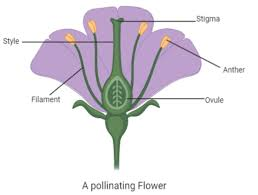
Self-pollination occurs when pollen from the anther is deposited onto the stigma of the same flower or another flower on the same plant. This can happen in two ways:
Autogamy: Pollen moves from the anther to the stigma of the same flower.
Geitonogamy: Pollen transfers from one flower to another flower on the same plant.
Common Examples of Self-Pollination
Legumes: Peas, peanuts, and beans frequently self-pollinate.
Cereals: Wheat and oats often rely on self-pollination.
Ornamental Plants: Certain orchid species and sunflowers can self-pollinate.
Stone Fruits: Some peach varieties show a high rate of self-pollination.
Unique Features of Self-Pollination
Requires no external pollinators: Useful in areas with fewer pollinating insects or unfavourable climates.
Encourages homogeneity: Offspring are genetically very similar, as the same genetic material is shared.
Limited pollen production: Because there is less need to attract external vectors.
Simultaneous maturity: Anther and stigma typically mature together, ensuring successful pollination.
What is Cross-Pollination?
Cross-pollination happens when pollen from one plant’s flower is transferred to a flower on a different plant of the same species. This process usually involves pollinating agents such as wind, insects, birds, or other animals.

Cross Pollination Example
Wind-Pollinated Plants: Grasses like wheat and maize, maple trees, and dandelions often rely on wind to carry pollen between flowers on separate plants.
Insect-Pollinated Plants: Fruits like apples, pears, plums, strawberries, and decorative blooms like tulips and daffodils depend on insects to transport pollen.
Unique Features of Cross-Pollination
Greater genetic variation: Encourages outbreeding, which increases adaptability and resilience in changing environments.
Requires external vectors: Wind, water, insects, or animals typically carry pollen over some distance.
High pollen production: More pollen is produced to compensate for loss during transfer.
Different maturity times: Anther and stigma frequently mature at separate intervals to promote cross-pollination over self-pollination.
Difference Between Self Pollination and Cross Pollination
If you are searching for what are the three difference between self-pollination and cross pollination, below is a more comprehensive comparison:
Additional Insights and Unique Facts
Mechanisms Preventing Self-Pollination: Some flowers have physical or chemical barriers (self-incompatibility genes) to stop their own pollen from fertilising them, promoting genetic diversity.
Impact on Crop Breeding: Cross-pollination is often exploited by plant breeders to create hybrid crops with desirable traits like disease resistance, better taste, and higher yield.
Environmental Factors: Humidity, temperature, and availability of pollinators significantly affect both self and cross-pollination success rates.
Also, read Parts of a Flower and Structure of a Flower
Quick Quiz: Test Your Pollination Knowledge
Which scientist is credited for first describing the process of pollination?
Name one major cross pollination example involving insects.
Mention one key example of self-pollination and cross pollination each.
State what are the three difference between self-pollination and cross pollination you find most important.
Why do cross-pollinating plants produce more pollen than self-pollinating plants?
Check Your Answers Below
Christian Konrad Sprengel.
Apples (bees often pollinate them).
Self-pollination: Wheat; Cross-pollination: Daffodils.
(i) Genetic diversity vs. genetic similarity, (ii) dependence on pollinators vs. no dependence, (iii) large vs. small pollen production.
To increase the probability of successful fertilisation, as pollen can be lost during transit via wind or insects.


FAQs on Difference Between Cross And Self Pollination
1. What is the difference between cross pollination and self pollination?
The main difference between cross pollination and self pollination is that cross pollination involves the transfer of pollen between different plants, while self pollination occurs within the same plant.
- Self pollination: Pollen is transferred from the anther to the stigma of the same flower or another flower on the same plant.
- Cross pollination: Pollen is transferred from the anther of one plant to the stigma of a flower on a different plant of the same species.
- Cross pollination increases genetic variation, while self pollination maintains genetic similarity.
2. What is self pollination in plants?
Self pollination is the process in which pollen grains are transferred from the anther to the stigma of the same flower or another flower on the same plant.
- Occurs in bisexual flowers containing both stamens and pistil.
- Common in plants like pea and wheat.
- Produces offspring genetically similar to the parent plant.
3. What is cross pollination in plants?
Cross pollination is the transfer of pollen grains from the anther of one plant to the stigma of a flower on another plant of the same species.
- Requires external agents called pollinating agents.
- Common agents include wind, water, insects, birds, and animals.
- Leads to greater genetic diversity in offspring.
4. What are the advantages of cross pollination over self pollination?
Cross pollination has the advantage of producing genetically diverse and often more vigorous offspring compared to self pollination.
- Increases genetic variation.
- Enhances resistance to diseases and environmental changes.
- Reduces the chances of inbreeding depression.
5. What are the disadvantages of self pollination?
The main disadvantage of self pollination is reduced genetic variation in the offspring.
- Leads to limited genetic diversity.
- May cause accumulation of harmful recessive traits.
- Produces less adaptable plants in changing environments.
6. What are the agents of cross pollination?
The agents of cross pollination are external factors that transfer pollen from one plant to another.
- Wind (anemophily)
- Water (hydrophily)
- Insects (entomophily)
- Birds and other animals (zoophily)
7. How does self pollination occur?
Self pollination occurs when pollen from the anther lands on the stigma of the same flower or plant without the need for external agents.
- The flower usually contains both stamens and pistil.
- Pollen is transferred directly or by slight movements such as wind.
- Fertilization follows after pollen germination on the stigma.
8. How does cross pollination occur step by step?
Cross pollination occurs through the transfer of pollen from one plant to another with the help of pollinating agents.
- Step 1: Pollen grains are produced in the anther.
- Step 2: A pollinating agent carries pollen to another flower.
- Step 3: Pollen lands on the stigma of a different plant.
- Step 4: Pollen germinates and leads to fertilization.
9. Can you give examples of self pollination and cross pollination?
Examples of self pollination include pea and wheat, while examples of cross pollination include maize and apple.
- Self pollination: Pea, wheat, rice.
- Cross pollination: Maize (wind-pollinated), apple (insect-pollinated).
10. Why is cross pollination important in plants?
Cross pollination is important because it promotes genetic variation and improves the survival of plant species.
- Creates new combinations of genes.
- Increases adaptability to environmental changes.
- Enhances crop yield and quality in agriculture.



