




What Are Environmental Issues Types Causes Effects and Prevention Methods
Environmental issues are challenges and problems that affect the natural systems of our planet. These concerns range from climate change and pollution to overpopulation and excessive energy use. Addressing environmental issues is important for maintaining the balance of Earth's ecosystems and ensuring sustainable living for all forms of life.
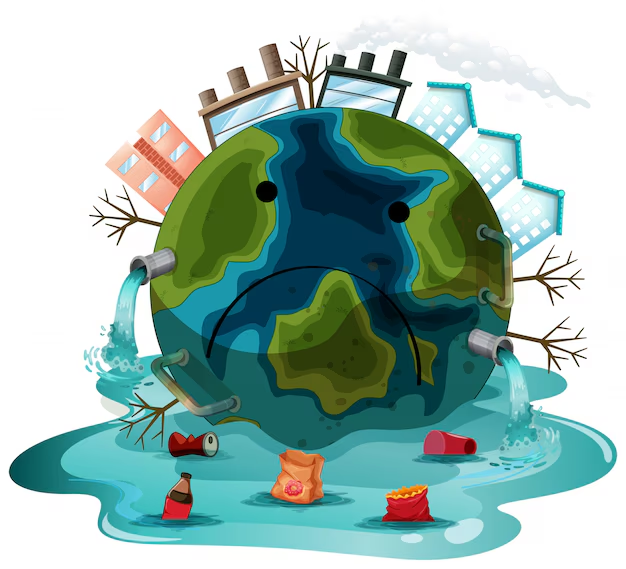
Understanding Environmental Issues
Environmental issues develop when natural environments are disturbed by human or natural causes. Common examples include air and water pollution, global warming, resource depletion, loss of biodiversity, and land degradation. These disturbances result in negative impacts on the health of all organisms, including humans.
Studying environmental issues helps us understand how different systems on Earth are interconnected, and allows us to explore solutions to protect the environment.
Key Examples of Environmental Issues
- Climate change and global warming
- Pollution of air, water, and soil
- Rapid increase in human population
- Overconsumption of natural resources
- Biodiversity loss
Step-by-Step Breakdown: Environmental Problems
-
Climate Change:
Increasing levels of greenhouse gases cause rising global temperatures and shifting weather patterns. Explore more in Global Warming and Greenhouse Effect. -
Pollution:
Release of pollutants into air, water, and soil harms all forms of life.
Learn more at Air, Water, and Soil Pollution and Effects on Plants. -
Overpopulation:
A rapid increase in human population increases demand for resources such as water, energy, and land. -
Resource Depletion:
Overusing minerals, forests, and fossil fuels reduces their availability for future generations. See Natural Resource Management. -
Biodiversity Loss:
The extinction or decline of species disrupts ecological balance. Learn about this at Biodiversity Loss.
Key Definitions and Their Scientific Significance
| Term | Definition | Scientific Significance |
|---|---|---|
| Climate Change | Long-term alteration of temperature and weather patterns on Earth | Affects agriculture, weather, and ecosystem health |
| Pollution | Addition of contaminants into natural environments | Harms living organisms and degrades resources |
| Overpopulation | Exceeding the carrying capacity of Earth by human population | Increases strain on resources and causes more waste |
| Biodiversity Loss | Decrease in the variety and number of living organisms | Reduces ecosystem resilience and services |
Processes and Principles Involved
- Biogeochemical Cycles: Cycles like the carbon and nitrogen cycle involve the movement of elements through Earth's systems, supporting all life forms.
- Food Webs and Ecosystems: Disruption of food chains and webs due to pollution or loss of species can destabilize entire ecosystems. Find out more at Ecosystem.
- Energy Use: Use of non-renewable energy sources contributes to depletion and pollution. Learn more in Carbon Footprint.
Examples of Environmental Impact
- Air: Emission from vehicles leads to smog and respiratory illnesses (Air Pollution Control).
- Water: Dumping waste in rivers leads to contaminated water and health issues (Water Pollution and its Control).
- Soil: Use of fertilizers can contaminate soil and groundwater, reducing fertility.
Practice Questions
- What are some major types of pollution? Give one example for each. (Types of Pollution)
- Explain how overpopulation can affect the environment.
- List measures to reduce the impact of global warming.
- Describe why biodiversity is important for ecological balance.
Further Learning and Vedantu Resources
- For detailed explanations and diagrams, visit the Environmental Issues Topic Page.
- Explore pollution control methods at Air and Water Pollution.
- Strengthen your understanding of Biodiversity in Plants and Animals.
- For more concepts in ecology, check Ecosystem.
To master environmental issues, focus on understanding the causes, effects, and the solutions to protect Earth. Practicing questions and revising definitions will help in board preparation and real-world applications.


FAQs on Environmental Issues in Biology and Ecology
1. What are environmental issues in biology?
Environmental issues are problems that negatively affect the environment and living organisms due to natural or human activities. In biology, these issues focus on how changes in ecosystems impact life forms and ecological balance.
- They include pollution, climate change, deforestation, and loss of biodiversity.
- They disrupt ecosystems, food chains, and habitat stability.
- They often result from unsustainable use of natural resources.
2. What are the main causes of environmental pollution?
The main causes of environmental pollution are human activities that release harmful substances into air, water, and soil. Pollution occurs when contaminants exceed natural levels and damage ecosystems.
- Industrial emissions releasing toxic gases and chemicals
- Vehicle exhaust contributing to air pollution
- Agricultural runoff containing fertilizers and pesticides
- Improper waste disposal leading to land and water contamination
3. How does climate change affect biodiversity?
Climate change affects biodiversity by altering habitats and disrupting the survival of species. Rising global temperatures and changing weather patterns force organisms to adapt, migrate, or face extinction.
- Habitat loss due to melting ice caps and rising sea levels
- Changes in migration patterns of birds and marine animals
- Coral bleaching caused by warmer ocean temperatures
- Increased risk of species extinction
4. What is deforestation and why is it harmful?
Deforestation is the large-scale removal of forests, and it is harmful because it destroys habitats and increases atmospheric carbon dioxide. Forests play a vital role in maintaining ecological balance.
- Eliminates habitats for countless species
- Reduces carbon sequestration, increasing greenhouse gases
- Causes soil erosion and loss of soil fertility
- Disrupts the water cycle
5. What is biodiversity loss?
Biodiversity loss is the reduction in the variety and number of living species in an ecosystem. It occurs when species become extinct or populations decline significantly.
- Caused by habitat destruction, pollution, and climate change
- Weakens ecosystem stability and resilience
- Reduces genetic diversity within populations
6. How does water pollution affect aquatic life?
Water pollution affects aquatic life by introducing toxic substances that disrupt biological functions and oxygen balance. Contaminated water harms fish, plants, and microorganisms.
- Eutrophication from excess nutrients reduces dissolved oxygen
- Toxic chemicals damage fish gills and reproductive systems
- Oil spills coat aquatic organisms and block sunlight
7. What is the greenhouse effect?
The greenhouse effect is the process by which certain gases trap heat in the Earth's atmosphere, warming the planet. It is a natural phenomenon essential for life but intensified by human activities.
- Greenhouse gases include carbon dioxide, methane, and water vapor
- They absorb and re-radiate infrared radiation
- Excess emissions enhance global warming
8. What is sustainable development in environmental science?
Sustainable development is the use of natural resources in a way that meets present needs without compromising future generations. It balances environmental protection, economic growth, and social well-being.
- Promotes renewable energy sources
- Encourages conservation of biodiversity
- Reduces waste and pollution
9. How does air pollution impact human health and ecosystems?
Air pollution impacts human health and ecosystems by introducing harmful gases and particles into the atmosphere. These pollutants damage respiratory systems and plant life.
- Particulate matter causes asthma and lung diseases
- Sulfur dioxide and nitrogen oxides contribute to acid rain
- Acid rain damages forests and aquatic habitats
10. What are some effective ways to reduce environmental problems?
Environmental problems can be reduced through conservation, sustainable practices, and pollution control. Combined individual and governmental actions are essential for environmental protection.
- Adopt renewable energy like solar and wind power
- Practice recycling and waste reduction
- Promote afforestation and habitat restoration
- Implement environmental protection laws



