




What Are Lysosomes Definition Structure and Functions in Animal Cells
Lysosomes are essential cell organelles found in eukaryotic cells, often referred to as the cell’s “waste disposal system.” These membrane-bound structures contain powerful digestive enzymes that break down unwanted materials, old cell parts, and even invading microbes. Understanding lysosomes helps us explore vital biological concepts and their effects on health, disease, and everyday life.
What are Lysosomes?
Lysosomes are small, round vesicles found in the cytoplasm of animal cells and some plant cells. They are filled with hydrolytic enzymes capable of digesting various biological molecules. These enzymes work best in an acidic environment, maintained inside the lysosome. Lysosomes play a crucial role in maintaining cellular health by removing waste, recycling cell materials, and defending against pathogens. Their discovery revolutionized our understanding of cell biology and disease mechanisms.
Lysosomes Definition
Lysosomes definition: Lysosomes are membrane-bound cell organelles containing digestive enzymes that break down macromolecules, cellular debris, and foreign invaders within eukaryotic cells.
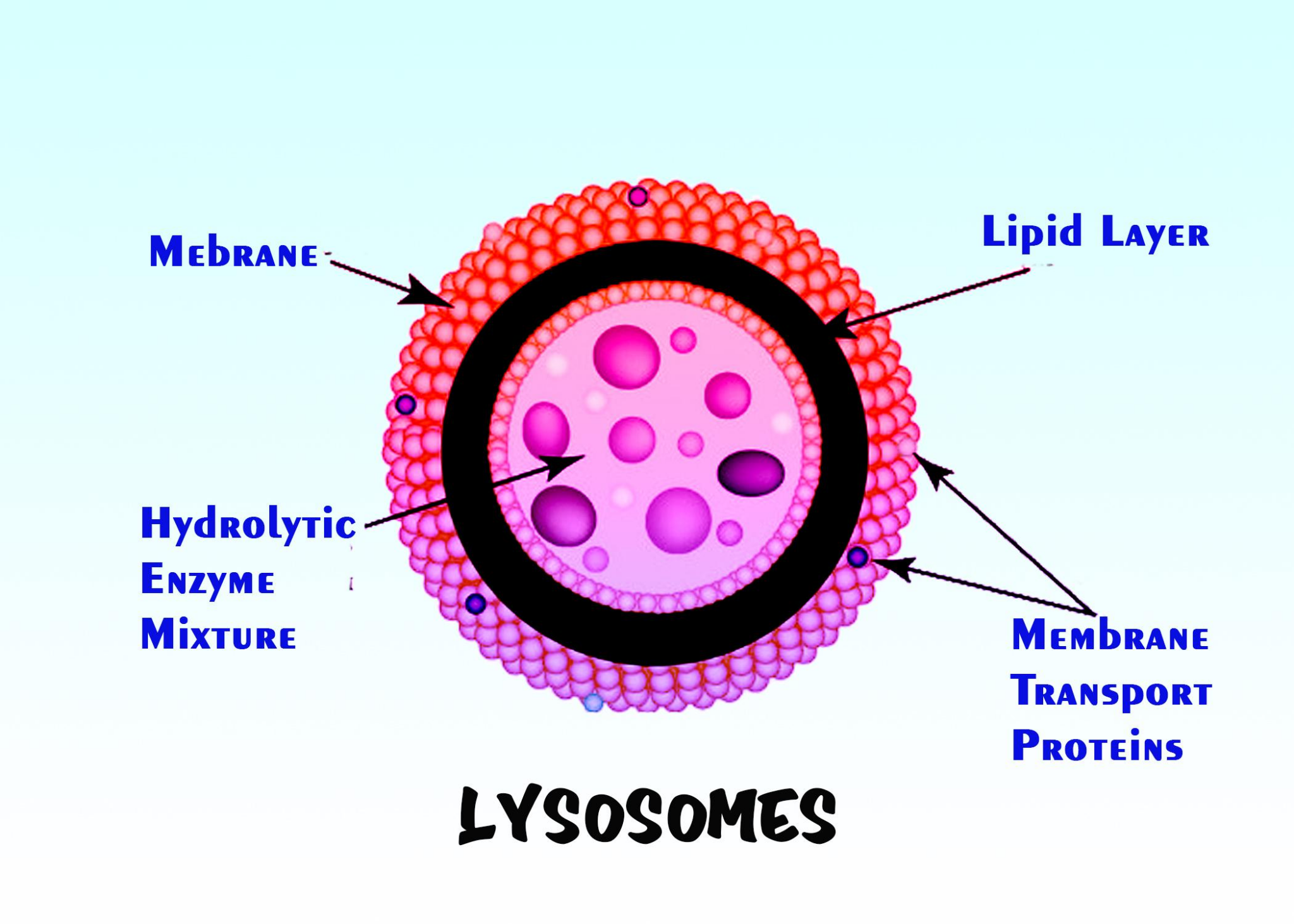
Structure and Diagram of Lysosomes
A typical lysosome is a spherical sac surrounded by a single membrane. This membrane protects the rest of the cell from the digestive enzymes stored inside. Lysosomal enzymes can break down proteins, nucleic acids, lipids, and complex sugars. The slightly acidic pH inside lysosomes is key for enzyme activity.
Formation and Types of Lysosomes
Lysosomes originate from the Golgi apparatus. As primary lysosomes bud off, they carry newly synthesized enzymes. When these fuse with material-containing vesicles in the cytoplasm, they form secondary lysosomes that digest cellular components.
- Primary lysosomes: Newly formed, enzyme-filled vesicles yet to digest any material.
- Secondary lysosomes: Formed after primary lysosomes fuse with materials to be degraded. (Also known as phagolysosomes or autolysosomes.)
The ability to break down diverse substances allows lysosomes to support various cell functions, including autophagy and apoptosis. You can explore related topics, such as apoptosis and cell theory, to understand their interconnected roles.
Functions of Lysosomes
Lysosomes perform vital activities in the cell. They contribute to digestion, recycling, and defense by processing unwanted, damaged, or harmful material.
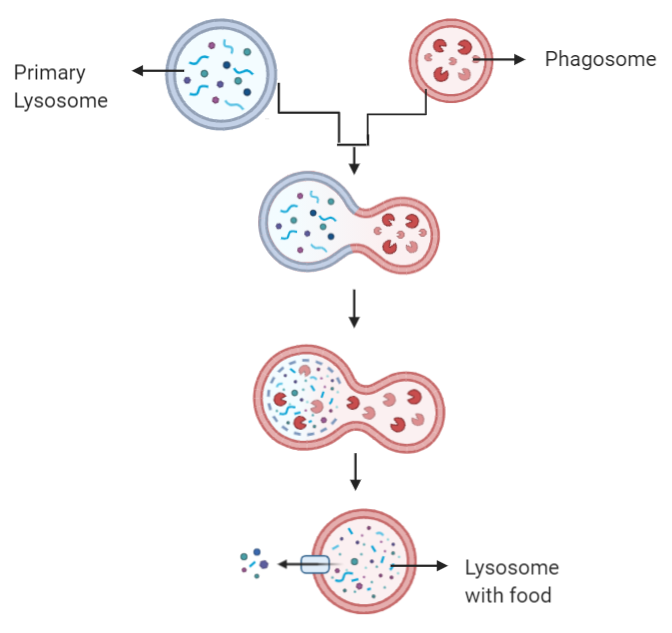
- Intracellular digestion: Breaking down worn-out organelles, cell debris, or engulfed food particles.
- Autophagy: Recycling damaged or unnecessary cell parts to maintain health and energy balance.
- Defense: Destroying harmful microorganisms that invade the cell, linking to immune responses (see immunity).
- Cell death: Initiating programmed cell death (apoptosis) when necessary.
These versatile functions make lysosomes essential for the survival and proper functioning of cells and organisms.
Lysosomes Examples in Everyday Biology
The importance of lysosomes is seen throughout nature and medicine:
- White blood cells: Use lysosomes to digest bacteria and viruses during infections.
- Tadpoles: Lysosomal enzymes help digest tail tissue as they develop into frogs.
- Liver cells: Clear toxins and recycle cellular waste via lysosomal activity.
- Inherited disorders: Diseases like Tay-Sachs are caused by abnormal lysosomal enzymes (see genetic disorders for more).
Lysosomes Short Notes & Key Features
For quick revision, here are the main features of lysosomes notes useful for Class 12 or exam prep:
- Membrane-bound organelle present in animal and some plant cells.
- Contains hydrolytic (digestive) enzymes active at acidic pH.
- Formed from Golgi apparatus vesicles and aid in cellular recycling.
- Involved in defense, autophagy, cell death, and breaking down foreign material.
- Malfunction can lead to lysosomal storage disorders.
Lysosomes Diagram
Understanding the structure of lysosomes through diagrams is helpful, especially for Class 12 board exams or NEET preparation. For other cell organelles, view animal cell diagrams and plant cell diagrams.
Lysosomes Questions and Practice MCQs
Testing your knowledge with MCQs improves understanding of lysosome concepts and helps in competitive exams. Practice more at Lysosomes MCQs or try related sets like cell biology MCQs.
Applications & Importance of Lysosomes
Lysosomes are not just textbook concepts—they matter in medicine, agriculture, and even environmental science. These organelles are targeted in studying disease treatments, improving understanding of immunity, and are a key focus in genetic research. Malfunctioning lysosomes can lead to illnesses that impact real lives, highlighting the need for scientific discovery.
To deepen your biology knowledge, check out areas like biomolecules, life science, and how traits are inherited on Vedantu.
Difference Between Lysosomes and Related Organelles
| Feature | Lysosomes | Peroxisomes |
|---|---|---|
| Main Function | Digestion of cellular debris and pathogens | Breakdown of fatty acids and detoxification |
| Main Enzymes | Hydrolytic enzymes | Oxidative enzymes |
| pH Requirement | Acidic pH | Neutral to slightly alkaline |
This table highlights that, while lysosomes and peroxisomes both act as clean-up crews in the cell, their enzymes and functions differ significantly.
Lysosomes Explanation: In Simple Words
To sum up, lysosomes are like the recycling and cleaning centers of eukaryotic cells. They maintain a cell’s health by digesting old parts, helping fight infection, and supporting natural cell death. Their breakdown of diverse wastes is essential for growth, immunity, and survival.
Download Lysosomes Notes & PowerPoint
Want to learn more? You can access detailed lysosomes notes for revision or create a lysosomes ppt for school projects by using resources on Vedantu’s biology platform. Use these for exams, assignments, or conceptual clarity.
In conclusion, lysosomes are vital organelles known for their waste-cleaning and recycling role in cells. Their functions support cell survival, health, and immunity, while their dysfunction can cause severe diseases. Learning about lysosomes deepens your understanding of how life works at the microscopic level and empowers you for exams and real-world applications.


FAQs on Lysosomes and Their Role in Cellular Digestion
1. What are lysosomes and what do they do?
Lysosomes are membrane-bound organelles that contain digestive enzymes and function as the cell’s recycling and waste disposal system. They are mainly found in eukaryotic cells, especially animal cells.
- Contain hydrolytic enzymes that break down biomolecules.
- Digest worn-out organelles and cellular debris.
- Destroy pathogens such as bacteria and viruses.
- Recycle useful components back into the cytoplasm.
2. What is the structure of a lysosome?
A lysosome is a small, spherical organelle surrounded by a single membrane and filled with digestive enzymes. Its structure includes:
- A single phospholipid bilayer membrane that isolates enzymes from the cytoplasm.
- An acidic interior with a pH of about 4.5–5.0.
- More than 50 types of acid hydrolase enzymes.
3. How do lysosomes maintain an acidic environment?
Lysosomes maintain an acidic environment using proton pumps that actively transport hydrogen ions into the organelle. Specifically:
- The membrane contains V-type ATPase proton pumps.
- These pumps use ATP to move H⁺ ions into the lysosome.
- The internal pH remains around 4.5–5.0, optimal for enzyme activity.
4. What is the main function of lysosomes in a cell?
The main function of lysosomes is intracellular digestion and recycling of cellular materials. They perform several key roles:
- Break down macromolecules like proteins, lipids, carbohydrates, and nucleic acids.
- Digest old or damaged organelles through autophagy.
- Destroy engulfed pathogens via phagocytosis.
- Recycle breakdown products for reuse in metabolism.
5. What is autophagy and how are lysosomes involved?
Autophagy is the process by which a cell digests its own damaged or unnecessary components using lysosomes. The steps include:
- Formation of a double-membrane vesicle called an autophagosome.
- Fusion of the autophagosome with a lysosome.
- Digestion of contents by lysosomal enzymes.
6. What is the difference between lysosomes and peroxisomes?
Lysosomes are involved in digestion, while peroxisomes are involved in oxidative reactions and detoxification. Key differences include:
- Lysosomes contain hydrolytic enzymes for intracellular digestion.
- Peroxisomes contain oxidative enzymes like catalase.
- Lysosomes function in an acidic pH.
- Peroxisomes break down fatty acids and detoxify hydrogen peroxide.
7. Where are lysosomes found in the body?
Lysosomes are found in most animal cells, especially in cells involved in digestion and immune defense. They are abundant in:
- White blood cells (for destroying pathogens).
- Liver cells (for detoxification and recycling).
- Macrophages and other phagocytic cells.
8. Why are lysosomes called suicidal bags?
Lysosomes are called "suicidal bags" because they can release digestive enzymes that cause cell self-destruction. If the lysosomal membrane ruptures:
- Hydrolytic enzymes are released into the cytoplasm.
- The cell may undergo autolysis (self-digestion).
9. What are lysosomal storage diseases?
Lysosomal storage diseases are genetic disorders caused by defective lysosomal enzymes that lead to the buildup of undigested materials. These conditions occur due to:
- Mutation in genes coding for lysosomal enzymes.
- Accumulation of substrates inside lysosomes.
- Cell and tissue damage over time.
10. How are lysosomes formed in the cell?
Lysosomes are formed from vesicles that bud off from the Golgi apparatus containing digestive enzymes. The formation process includes:
- Synthesis of enzymes in the rough endoplasmic reticulum.
- Modification and packaging in the Golgi apparatus.
- Budding of enzyme-filled vesicles that mature into lysosomes.



