




What Is the Phosphorus Cycle and How Does It Work
The phosphorus cycle is a fundamental biogeochemical process that moves phosphorus through the lithosphere, hydrosphere, and biosphere. This cycle is crucial for all living organisms as phosphorus forms an essential part of DNA, RNA, ATP, and is particularly abundant in teeth and bones. In this comprehensive guide, we will delve into the phosphorus cycle steps, provide a phosphorus cycle diagram simple enough for all grade levels, and highlight real-world applications and human impacts that make this cycle so vital to our ecosystem.
Also read, Carbon Cycle
What is the Phosphorus Cycle?
Phosphorus is a key element necessary for life. Unlike the nitrogen cycle or the water cycle, phosphorus does not exist as a gas and is primarily found on land. This means that the atmosphere plays little to no role in the phosphorus cycle. Instead, phosphorus moves through soil, water, and living organisms in a slow yet continuous manner. For students preparing for exams such as the phosphorus cycle UPSC syllabus, understanding this cycle is essential.
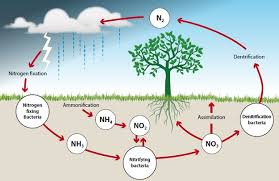
Detailed Phosphorus Cycle Steps
Below are the detailed phosphorus cycle steps that explain the movement of phosphorus through nature:
Weathering: Phosphorus is abundant in rocks in the form of phosphate salts. Weathering processes gradually break down these rocks, releasing phosphate into the soil. This stage is critical and is often illustrated in a phosphorus cycle diagram that simplifies the cycle for easier understanding.
Absorption by Plants: The phosphate salts dissolved in water are absorbed by plants from the soil. Despite the small amounts available, plants are able to utilise this phosphorus for their growth. Many educators use a phosphorus cycle PPT to demonstrate how phosphate fertilisers are applied in agriculture to enhance plant growth, ensuring that the importance of phosphorus cycle is well understood.
Absorption by Animals: Animals obtain phosphorus by consuming plants or other animals. The process is faster in living organisms compared to the slow release from rocks. Teachers often provide a phosphorus cycle PDF for a clear, step-by-step explanation of these processes.
Decomposition: When plants and animals die, decomposers like bacteria and fungi break down their bodies, converting organic phosphorus back into inorganic forms. This recycled phosphorus returns to the soil, ready to start the cycle anew. This recycling aspect is sometimes compared with aspects of the nitrogen cycle and water cycle, emphasising the interconnectedness of earth systems.
Human Impact on the Phosphorus Cycle
Human activities have significantly altered the natural phosphorus cycle. The widespread use of phosphate fertilisers in agriculture has increased phosphorus levels in the soil. Over-fertilisation can reduce soil fertility over time and harm the beneficial microorganisms. When excess phosphorus is washed into water bodies, it can lead to eutrophication, resulting in harmful algal blooms that threaten aquatic life.
Additionally, the runoff from agricultural lands during food transportation contributes to the pollution of water bodies, thereby affecting both the phosphorus cycle simple and broader ecosystems. These human-induced changes are critical topics for anyone studying the phosphorus cycle upsc syllabus.
Real-World Applications
Understanding the phosphorus cycle is not just academic—it has real-life implications:
Agriculture: Farmers rely on phosphate fertilisers to improve soil fertility. However, balancing the application is key to preventing runoff and preserving local water quality.
Environmental Conservation: Knowledge of the phosphorus cycle helps in managing eutrophication and protecting aquatic ecosystems.
Resource Management: Sustainable mining practices for phosphate rock are essential for long-term agricultural productivity.
Urban Planning: Wastewater treatment and proper sewage management help reduce phosphorus pollution in water bodies, directly impacting the phosphorus cycle diagram seen in environmental studies.
For further insights, you can refer our detailed pages on the nitrogen cycle and water cycle, which complement the understanding of natural cycles and their significance.
Fun Facts about the Phosphorus Cycle
Slow Process: The phosphorus cycle is one of the slowest biogeochemical cycles, taking millions of years to complete a full cycle in nature.
Essential for Life: Without phosphorus, plants would not be able to develop roots or flowers, impacting the entire food chain.
Limited Atmospheric Role:Unlike the nitrogen cycle, phosphorus does not have a gaseous phase, meaning it doesn’t travel through the atmosphere.


FAQs on Phosphorus Cycle in Ecosystems
1. What is the phosphorus cycle?
The phosphorus cycle is the biogeochemical cycle that describes how phosphorus moves through rocks, soil, water, and living organisms in an ecosystem. Unlike many other cycles, it does not have a significant gaseous phase.
- Phosphorus is released from phosphate rocks by weathering.
- Plants absorb it as phosphate ions (PO₄³⁻) from the soil.
- Animals obtain phosphorus by eating plants or other animals.
- Decomposers return phosphorus to the soil after death and waste breakdown.
2. Why is the phosphorus cycle important in ecosystems?
The phosphorus cycle is important because phosphorus is a vital nutrient required for the growth, energy transfer, and genetic material of living organisms. Without phosphorus, life processes cannot function properly.
- It is a component of ATP (adenosine triphosphate), the energy currency of cells.
- It forms part of DNA and RNA.
- It is found in phospholipids of cell membranes.
- It contributes to the formation of bones and teeth in vertebrates.
3. What are the main steps of the phosphorus cycle?
The main steps of the phosphorus cycle include weathering, absorption by plants, transfer through food chains, decomposition, and sedimentation. These steps ensure continuous movement of phosphorus in nature.
- Weathering: Breakdown of phosphate rocks releases phosphate into soil and water.
- Assimilation: Plants absorb phosphate through their roots.
- Consumption: Animals obtain phosphorus by feeding on plants or other animals.
- Decomposition: Microorganisms return phosphate to the soil from dead organisms and waste.
- Sedimentation: Phosphate settles in water bodies and may form new rocks over time.
4. In what form do plants absorb phosphorus?
Plants absorb phosphorus primarily in the form of phosphate ions (PO₄³⁻) from the soil solution. This inorganic form is soluble and available for root uptake.
- Phosphate comes from weathered rocks or decomposed organic matter.
- It enters root cells through active transport mechanisms.
- Inside plants, it is incorporated into ATP, nucleic acids, and phospholipids.
5. Does the phosphorus cycle have a gaseous phase?
The phosphorus cycle does not have a significant gaseous phase under normal environmental conditions. Unlike the carbon or nitrogen cycle, phosphorus rarely enters the atmosphere.
- Phosphorus mainly moves through rocks, soil, water, and organisms.
- Its movement is relatively slow compared to other biogeochemical cycles.
- This absence of an atmospheric phase limits its rapid global distribution.
6. How does phosphorus move through the food chain?
Phosphorus moves through the food chain when plants absorb phosphate and animals obtain it by feeding on plants or other animals. It is transferred from one trophic level to the next.
- Producers: Plants take up phosphate from soil.
- Primary consumers: Herbivores eat plants and acquire phosphorus.
- Secondary and tertiary consumers: Carnivores obtain phosphorus by eating other animals.
- Decomposers: Bacteria and fungi break down dead matter and release phosphate back into the soil.
7. What role do decomposers play in the phosphorus cycle?
Decomposers play a crucial role by breaking down dead organisms and waste, releasing inorganic phosphate back into the soil or water. This process is known as mineralization.
- Bacteria and fungi decompose organic phosphorus compounds.
- They convert organic phosphorus into phosphate ions.
- This makes phosphorus available again for plant uptake.
8. How do humans impact the phosphorus cycle?
Humans impact the phosphorus cycle mainly through mining phosphate rocks and using phosphorus-rich fertilizers in agriculture. These activities increase phosphorus levels in soil and water.
- Phosphate mining extracts large amounts of phosphorus for fertilizers.
- Excess fertilizer runoff enters rivers and lakes.
- This can cause eutrophication, leading to algal blooms and oxygen depletion.
9. What is eutrophication and how is it related to the phosphorus cycle?
Eutrophication is the excessive enrichment of water bodies with nutrients like phosphorus, leading to rapid algal growth. It is closely linked to excess phosphate entering aquatic ecosystems.
- High phosphate levels stimulate algal blooms.
- When algae die, decomposition consumes dissolved oxygen.
- Low oxygen levels can cause fish kills and loss of aquatic biodiversity.
10. How is the phosphorus cycle different from the nitrogen cycle?
The main difference between the phosphorus cycle and the nitrogen cycle is that the phosphorus cycle lacks a major atmospheric phase, while the nitrogen cycle includes extensive atmospheric processes. This difference affects how each nutrient circulates globally.
- Phosphorus cycle: Moves mainly through rocks, soil, water, and organisms.
- Nitrogen cycle: Involves atmospheric nitrogen (N₂), nitrogen fixation, nitrification, and denitrification.
- Phosphorus cycling is generally slower and depends on rock weathering.



