



When is Mahashivratri 2026? Complete History, Significance, and Importance Explained
Mahashivratri 2026, also known as Maha Shivratri 2026, is a sacred Hindu festival dedicated to Lord Shiva. Celebrated as the Great Night of Shiva, it symbolizes spiritual awakening, inner stillness, and the removal of negativity.
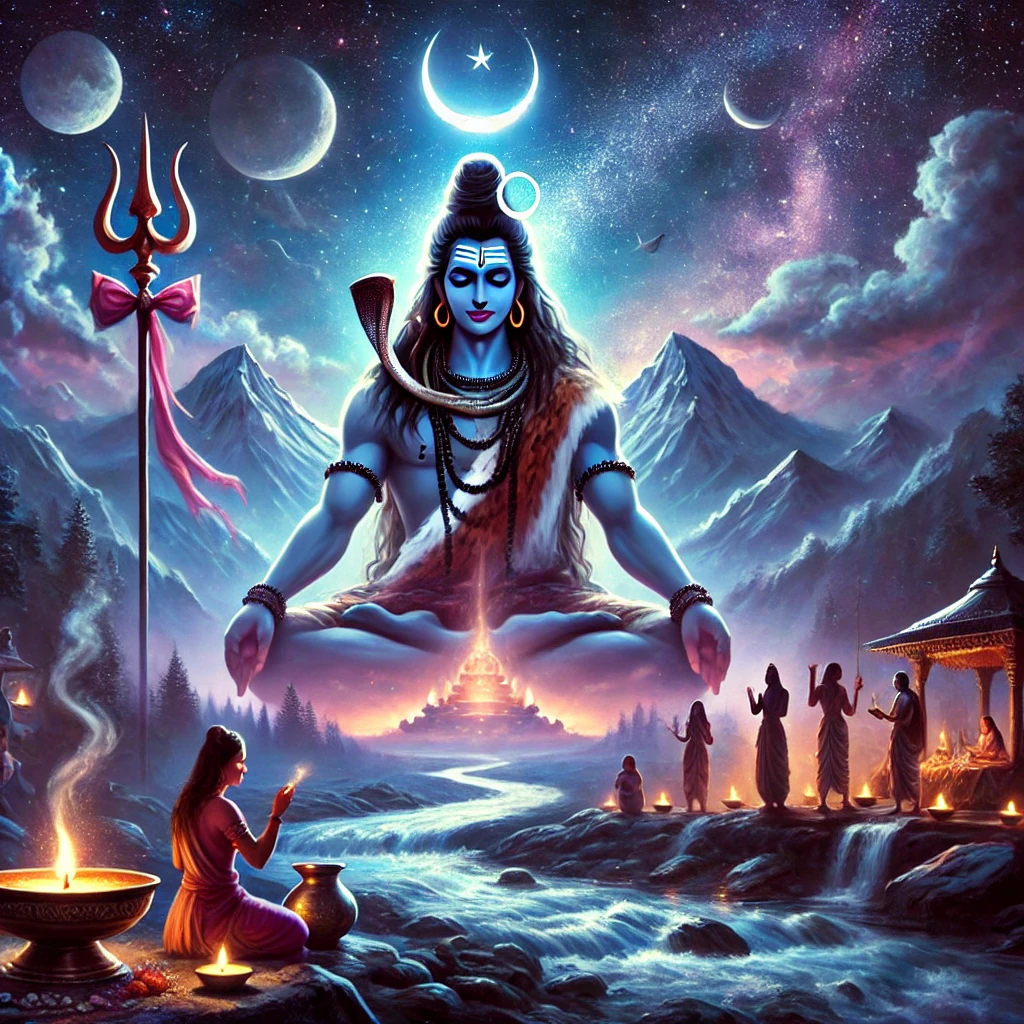
This guide covers complete details on Mahashivratri 2026, including the date, timings, history, significance, rituals, fasting rules, wishes, quotes, images, banners, rangoli ideas, and social media status content.
When is Mahashivratri in 2026?
Mahashivratri 2026 will be observed on Sunday, 15 February 2026. The main devotional observance begins after sunset on 15 February and continues through the night until sunrise on 16 February 2026.
Mahashivratri 2026 Timings (Key Highlights)
Nishita Kaal Puja: Midnight hours on 16 February 2026 (most auspicious time for Shiva worship)
Four Prahar Puja: Shiva Puja is performed in four phases throughout the night
Parana (Fast Breaking): Morning of 16 February 2026, after sunrise and completion of puja
Important Timings for Mahashivratri 2026 (Updated)
To help devotees plan Mahashivratri puja, vrat, and night-long jagran accurately, here are the correct and widely accepted Mahashivratri 2026 timings (IST) based on standard Hindu Panchang references used by leading competitors.
Mahashivratri 2026 Date & Puja Timings
Nishita Kaal (midnight) is considered the most auspicious time to worship Lord Shiva on Mahashivratri.
Mahashivratri 2026 Four Prahar Puja Timings
Devotees perform Shiva Puja during all four Prahars of the night.
Mahashivratri 2026 Chaturdashi Tithi Timings
Important Devotee Guidance
Fasting and Jagran should be observed on 15 February 2026
Fast should be broken on 16 February 2026 after morning puja and within Parana time
Timings may vary slightly by location, so consulting a local Panchang is recommended
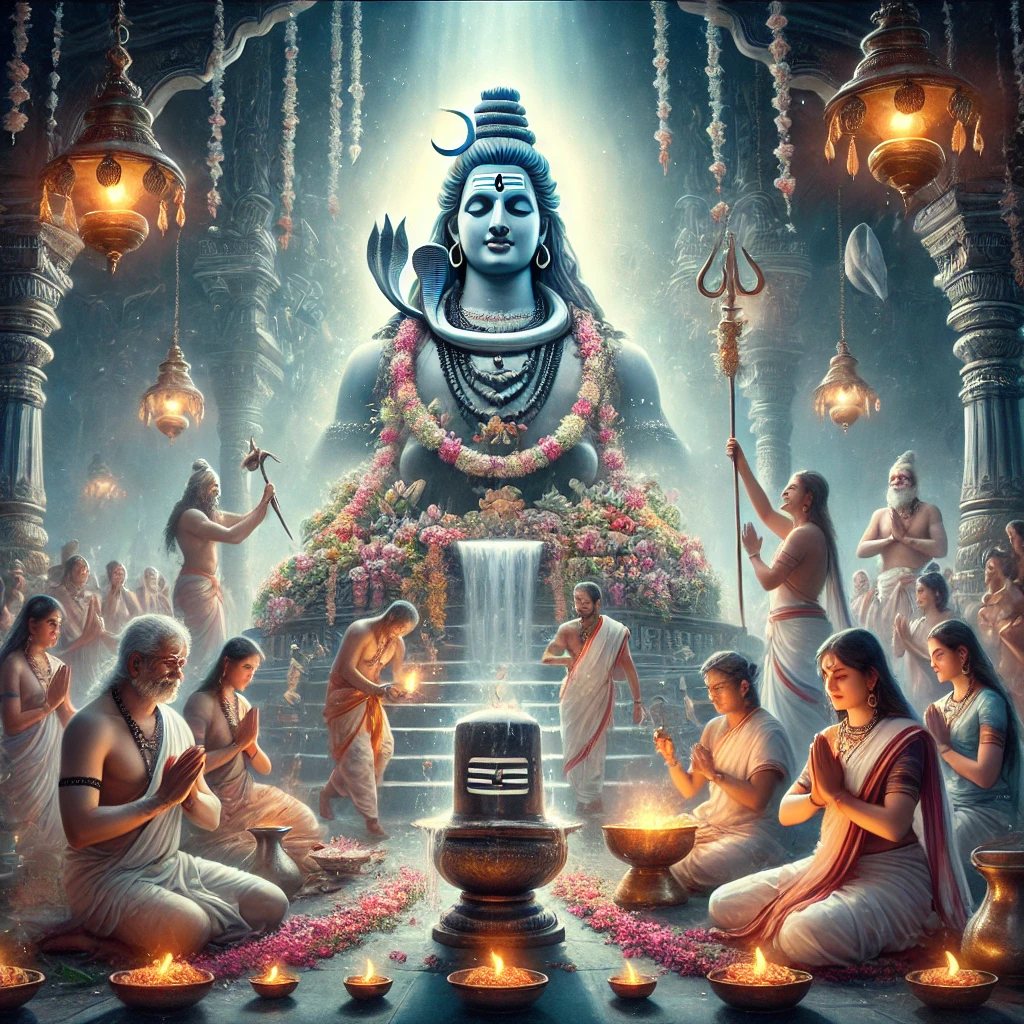
Why We Celebrate MahaShivratri
The significance of MahaShivratri is deeply rooted in Hindu mythology and spirituality. Here are the pivotal legends behind this auspicious night:
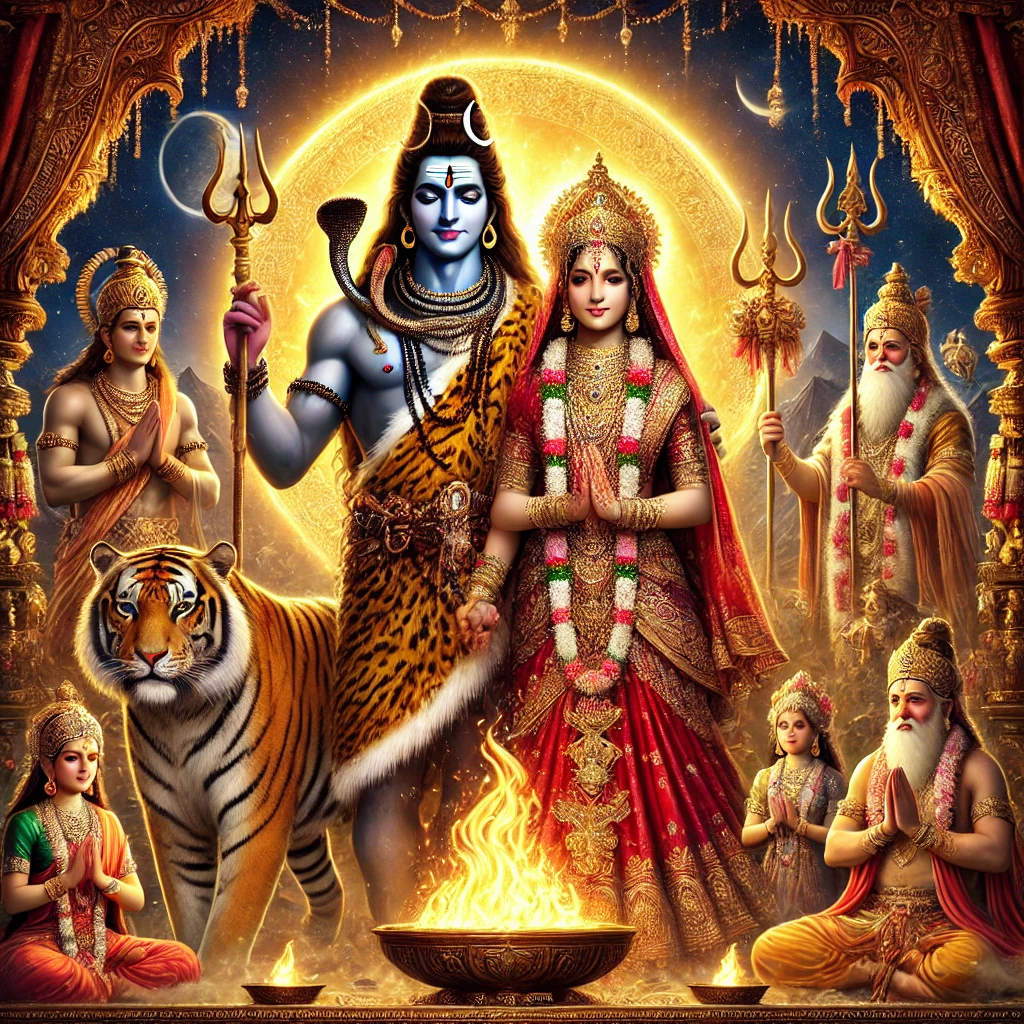
1. The Divine Wedding of Shiva and Parvati
It is widely believed that on MahaShivratri, Lord Shiva married Goddess Parvati, symbolizing the fusion of masculine (Shiva) and feminine (Shakti) energies.
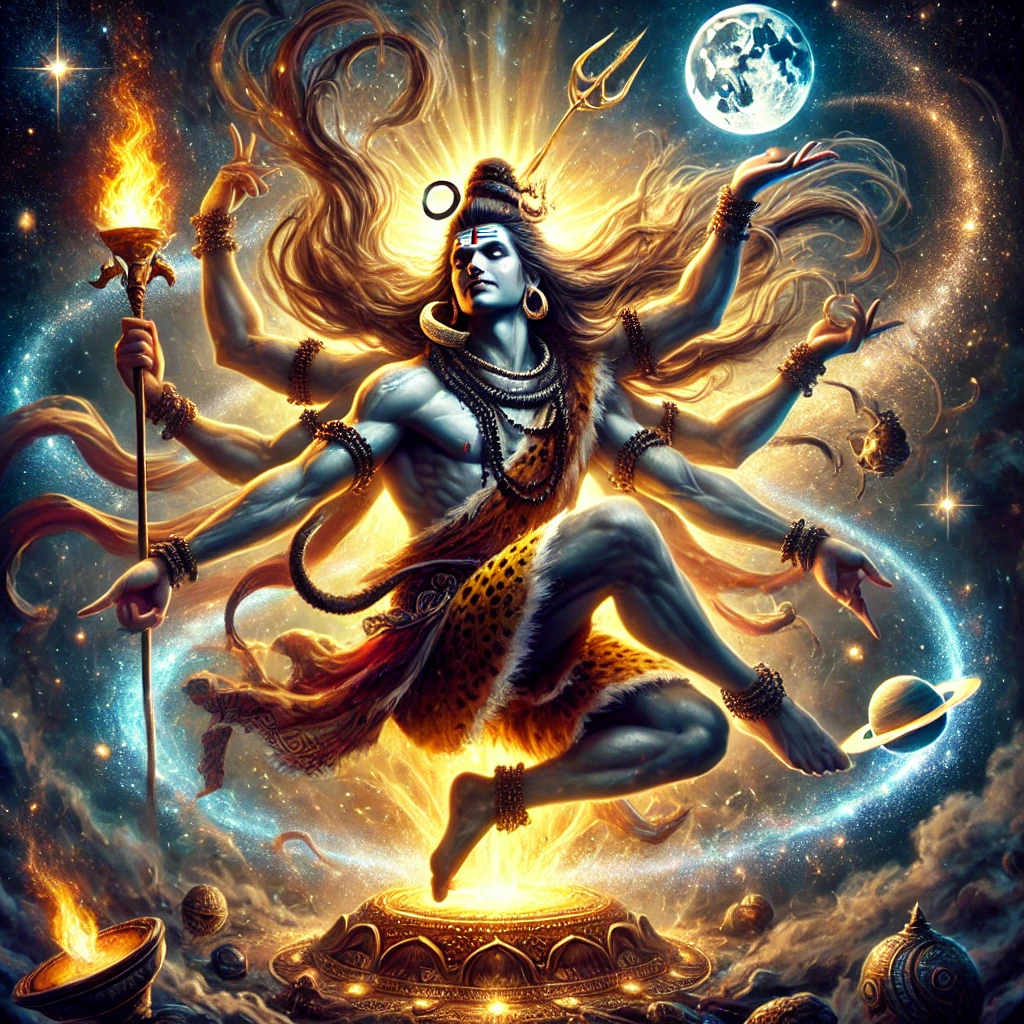
2. The Cosmic Dance of Shiva (Tandava)
Another legend highlights Shiva’s Tandava, the dance of creation, preservation, and destruction, which took place on this night. This dance signifies the cosmic balance of the universe.
3. The Emergence of the Infinite Shivlinga
Some scriptures say that on this sacred night, the infinite Shiva Linga manifested itself, making MahaShivratri a day of great spiritual power and transformation.
Mahashivratri 2026 in India Calendar & Holidays
Mahashivratri 2026 in India calendar: Marked on 15 February
Mahashivratri bank holiday: Declared in several Indian states and institutions
Maha Shivratri stock market holiday: NSE/BSE holiday status depends on annual exchange notifications
Mahashivratri History – Origin, Legends & Evolution
Mahashivratri, meaning “the Great Night of Lord Shiva,” is one of the most sacred nights in Hinduism. Unlike other Hindu festivals that are celebrated with grandeur during the day, Mahashivratri is observed at night, symbolising inner awakening, stillness, and spiritual transformation.
The history of Mahashivratri is deeply rooted in ancient Hindu scriptures, especially the Shiva Purana, Skanda Purana, Linga Purana, and Padma Purana. These texts describe Mahashivratri as the night when divine cosmic energies are at their peak, making it the most auspicious time to worship Lord Shiva.
Key Legends Associated with Mahashivratri
1. Marriage of Lord Shiva and Goddess Parvati
One of the most popular beliefs is that Mahashivratri marks the divine union of Bhagwan Shiva and Maa Parvati. After years of intense penance, Goddess Parvati attained Shiva as her consort on this sacred night. This is why Mahashivratri is considered extremely auspicious for marital harmony and is widely observed by unmarried devotees seeking a suitable life partner.
2. Samudra Manthan & Neelkanth
During the cosmic churning of the ocean (Samudra Manthan), a deadly poison known as Halahala emerged, threatening to destroy creation. To protect the universe, Lord Shiva consumed the poison and held it in his throat, turning it blue and earning the name Neelkanth. Mahashivratri honours this supreme sacrifice and Shiva’s role as the protector of the cosmos.
3. Lingodbhava – Manifestation of the Infinite
Another profound legend describes Mahashivratri as the night when Lord Shiva appeared as an endless pillar of fire (Lingodbhava), proving that he has no beginning or end. This event established the worship of the Shiva Linga as the symbol of infinity, consciousness, and supreme truth.
4. The Hunter and the Bilva Tree
A humble hunter unknowingly worshipped a Shiva Linga by dropping Bilva leaves throughout the night. His sincere devotion pleased Lord Shiva, granting him liberation (moksha). This story highlights that pure devotion matters more than elaborate rituals, a key teaching of Mahashivratri.
Historically, Mahashivratri has been observed for thousands of years and continues to be celebrated across India, Nepal, and by the global Hindu diaspora.
Significance of Mahashivratri
The significance of Mahashivratri goes far beyond rituals. It holds spiritual, yogic, astrological, and symbolic importance, making it one of the most transformative nights of the year.
Spiritual Significance
Mahashivratri symbolises the victory of consciousness over ignorance. Worshipping Lord Shiva on this night helps devotees dissolve ego, negative tendencies, and mental distractions, guiding them toward self-realisation.
Yogic & Astrological Importance
According to yogic science, Mahashivratri occurs when the Sun and Moon align in a way that enhances spiritual energy. This natural upsurge supports meditation, inner balance, and heightened awareness. Staying awake (Jagran) helps channel this energy upward through the spine.
Symbolism of Night Worship
Unlike other festivals, Mahashivratri is observed at night because darkness represents ignorance, while Shiva symbolises pure consciousness. Meditating during the night signifies moving from darkness to enlightenment.
Difference Between Shivratri and Mahashivratri
Many ask about the difference between Shivratri and Mahashivratri:
Shivratri: Occurs every lunar month
Mahashivratri: Occurs once a year and holds the highest spiritual importance
Mahashivratri is considered the most powerful among all Shivratris.
Shivratri Puja Vidhi: Step-by-Step Worship Guide
The Shivratri Puja Vidhi involves offering sacred items to Shivling while chanting Lord Shiva’s powerful mantras. Here’s a step-by-step overview:
Essential Puja Samagri (Offerings):
Shiva Linga or Idol
Bilva Patra (Bel Leaves)
Milk, Honey, Ghee, Sugar, and Curd (Panchamrit)
Sandalwood Paste & Vibhuti (Holy Ash)
Flowers – White Lotus, Dhatura, Hibiscus
Incense sticks, Camphor, and Oil Lamps (Diya)
Rudraksha Mala for chanting 'Om Namah Shivaya'
Puja Vidhi (Step-by-Step):
Early Morning Bath – Cleanse yourself before starting the puja.
Sanctify the Puja Altar – Place an image or idol of Lord Shiva and decorate it with flowers.
Perform Abhishekam – Bathe the Shivling with water, Panchamrit, and Gangajal.
Offer Bilva Leaves & Prasad – Place Bel Patra while chanting 'Om Namah Shivaya'.
Light the Diyas & Incense Sticks – Invoke divine blessings with aarti and bhajans.
Night-Long Vigil (Jagran) – Stay awake all night, meditate and chant Shiva’s name.
MahaShivratri Vrat: Fasting Rituals and Guidelines
Observing MahaShivratri Vrat is believed to bring spiritual purification and divine blessings.
Types of Fasting:
Nirjala Vrat (No food, no water)
Phalahar Vrat (Fruits, milk, and light fasting food)
Breaking the Fast (Parana):
The fast is broken the next morning (Feb 15) after offering prayers to Lord Shiva.
MahaShivratri Celebrations Across India
Kashi Vishwanath, Varanasi – Grand Ganga Aarti and Shiva processions.
Ujjain Mahakal Temple – Hosts the legendary Bhasma Aarti at 4 AM.
Somnath Jyotirlinga, Gujarat – A night-long celebration of Shiva’s cosmic dance
Kedarnath & Amarnath – Pilgrims perform special rituals in the Himalayas.
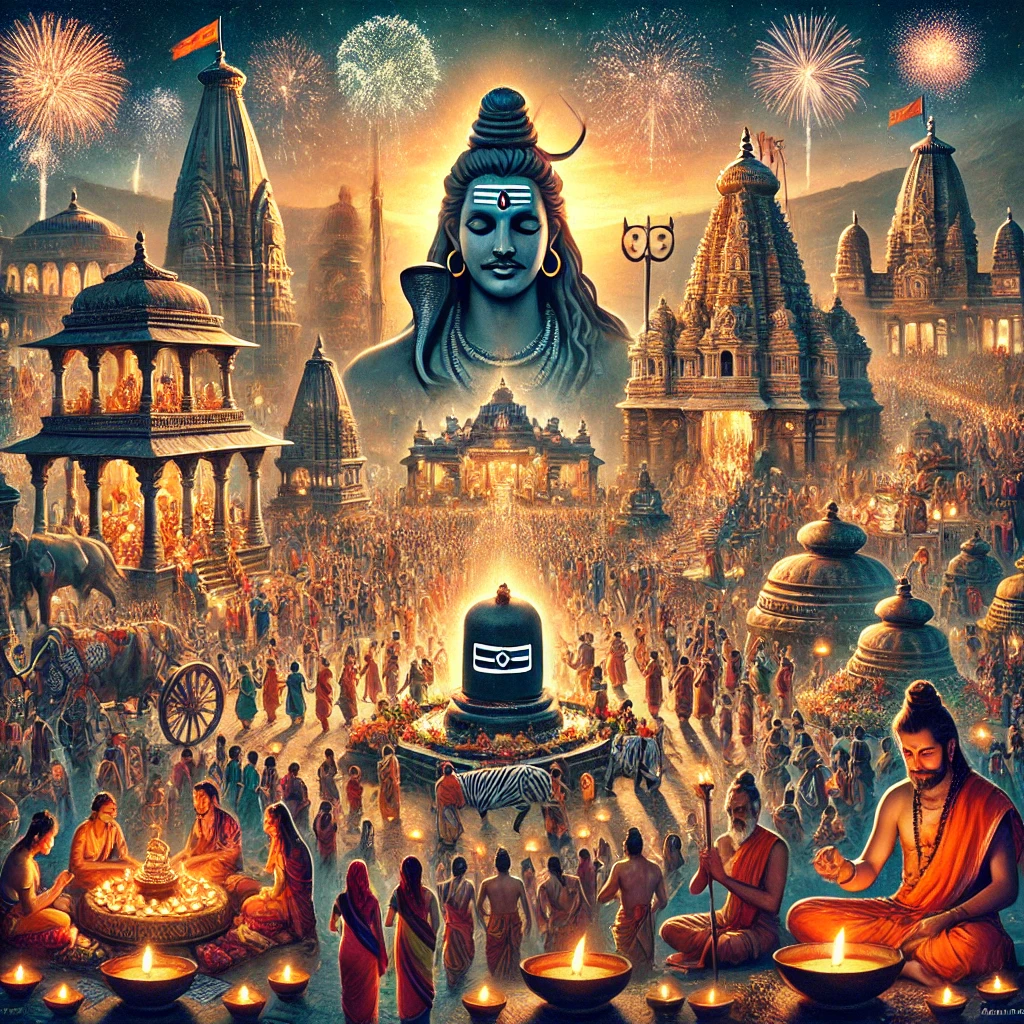
Mahashivratri Quotes & Wishes
Mahashivratri Quotes in English
“Mahashivratri is a reminder to rise beyond limitations and awaken the Shiva within.”
“On this sacred night, let silence speak and consciousness expand.”
Happy Mahashivratri Wishes (English)
Happy Mahashivratri! May Lord Shiva bless you with peace and clarity.
Happy Mahashivratri 2026 to you and your family.
Mahashivratri Quotes in Hindi
“महाशिवरात्रि आत्म-जागरण और आत्म-शुद्धि की रात है।”
“शिव की भक्ति में लीन होकर जीवन को सरल बनाइए।”
Mahashivratri Wishes in Hindi
महाशिवरात्रि की हार्दिक शुभकामनाएं।
भगवान शिव आपके जीवन में शांति और शक्ति प्रदान करें।
MahaShivratri Wishes & Quotes
"May Lord Shiva bless you with strength, wisdom, and happiness. Wishing you and your family a divine and blissful MahaShivratri!"
"On this sacred night, may Shiva’s blessings guide you on the path of righteousness and peace. Happy MahaShivratri!"
"May the divine energies of MahaShivratri fill your life with positivity, success, and good health. Har Har Mahadev!"
"Let’s celebrate the glory of Lord Shiva and seek his blessings for a prosperous life. Wishing you a spiritually uplifting MahaShivratri!"
"On this MahaShivratri, may your prayers be answered, and your heart be filled with divine bliss. Om Namah Shivaya!"
Final Thoughts: The True Meaning of Mahashivratri
Mahashivratri is not just about rituals or fasting. It is a night of alignment—with nature, with awareness, and with truth. Whether observed through temple worship, meditation, or quiet reflection, Mahashivratri 2026 offers a powerful opportunity to pause, purify, and transform.
At its core, Mahashivratri reminds us that true growth comes from inner clarity, disciplined learning, and conscious thinking—values that are equally essential in a student’s educational journey.
Inspired by these timeless principles, Vedantu continues to focus on meaningful, value-based education that nurtures curiosity, understanding, and confidence in every learner. By blending knowledge with purpose, Vedantu supports students in building not just academic success, but a strong foundation for life.
Happy Mahashivratri 2026 from Vedantu—may this sacred night bring wisdom, balance, and positive transformation to every learner and family. Har Har Mahadev. 🙏🕉️
FAQs on MahaShivratri 2026: Date, Puja Vidhi, Vrat Rules, Holiday Calender, Wishes and Quotes
1. When is Mahashivratri in 2026?
Mahashivratri 2026 will be observed on Sunday, 15 February 2026, with night-long worship continuing into 16 February 2026.
2. Mahashivratri kab hai 2026?
Mahashivratri 2026 15 February (रविवार) ko hai. Vrat aur Jagran raat bhar kiya jata hai, aur vrat 16 February ko toda jata hai.
3. What is Mahashivratri?
Mahashivratri is a sacred Hindu festival dedicated to Lord Shiva, symbolizing spiritual awakening, inner transformation, and the victory of consciousness over ignorance.
4. Why is Mahashivratri celebrated?
Mahashivratri is celebrated to honor:
The divine marriage of Lord Shiva and Goddess Parvati
Shiva’s cosmic dance (Tandava)
Shiva becoming Neelkanth during Samudra Manthan
Spiritually, it represents self-discipline, meditation, and liberation.
5. Mahashivratri kyu manate hai?
Mahashivratri isliye manayi jati hai kyunki is raat ko Shiva tattva sabse shaktishaali hota hai, jo man aur sharir ke shuddhikaran mein sahayak hota hai.
6. What is the difference between Shivratri and Mahashivratri?
Shivratri: Occurs every month
Mahashivratri: Occurs once a year and holds the highest spiritual significance
7. Is Mahashivratri 2026 a bank holiday?
Mahashivratri is a gazetted holiday in some Indian states, but it is not a nationwide bank holiday. Local calendars should be checked.
8. Is Mahashivratri a stock market holiday?
No, Indian stock markets usually remain open on Mahashivratri unless officially declared otherwise.



