



Why is Subhash Chandra Bose Jayanti Celebrated? Importance, Customs & Activities for Students
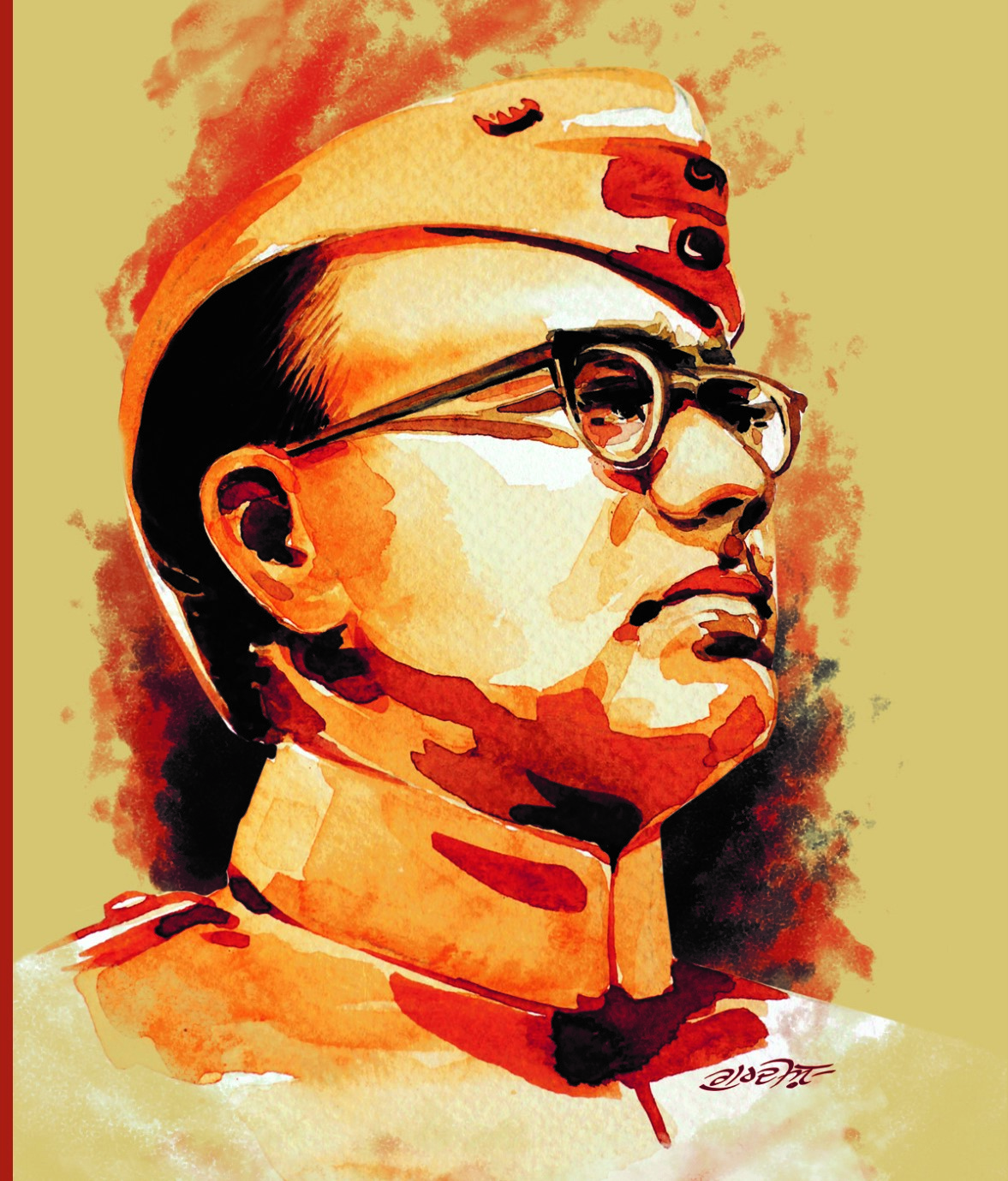
Subhash Chandra Bose Jayanti, also known as Netaji Subhash Chandra Bose Jayanti, is a nationally significant day in India observed to honour the birth anniversary of Subhas Chandra Bose (सुभाष चंद्र बोस), one of the most courageous and influential leaders of India’s freedom struggle. Celebrated every year with deep respect and pride, this Jayanti reminds citizens—especially students—of Netaji’s unmatched patriotism, leadership, and sacrifice for an independent India.
Also Read: Netaji Subhash Chandra Bose Jayanti Essay
Why is Subhash Chandra Bose Jayanti Celebrated?
Subhash Chandra Bose Jayanti is celebrated to commemorate the birth of Netaji Subhas Chandra Bose, a revolutionary leader who dedicated his entire life to freeing India from colonial rule. Unlike many leaders of his time, Netaji believed that freedom must be achieved with courage, discipline, and decisive action.
The day serves as a reminder of his fearless ideology, his call for unity, and his powerful belief that Indians must rise to shape their own destiny.
What is Subhash Chandra Bose Jayanti & When Is It Celebrated in 2026?
Netaji Subhash Chandra Bose Jayanti is observed annually on 23 January, marking the birthday of Netaji.
In 2026, Subhash Chandra Bose Jayanti falls on Friday, 23 January 2026.
The day is also officially observed as Parakram Divas (Day of Valour) to recognise Netaji’s bravery and leadership.
People across India remember Netaji Subhash Chandra Bose by participating in patriotic programs, educational events, and cultural activities.
Also Check: India Republic Day: Celebrations, Wishes, Quotes
History & Cultural Context of Subhash Chandra Bose Jayanti
Born on 23 January 1897 in Cuttack (Odisha), Subhash Chandra Bose emerged as one of the most dynamic leaders of the Indian independence movement. From a young age, Netaji Subhas Chandra Bose displayed strong nationalist values and a deep sense of responsibility toward the nation.
He later founded the Indian National Army (INA) and gave the historic call:
“Give me blood, and I shall give you freedom.”
His revolutionary approach, leadership of the Azad Hind Government, and efforts to unite Indians across regions and communities made him a symbol of resistance, courage, and self-rule. Subhash Chandra Bose Jayanti is observed to keep these ideals alive for future generations.
Significance of Subhash Chandra Bose Jayanti for Students
For students and young learners, Netaji Subhash Chandra Bose Jayanti holds immense educational and moral value. The life of Netaji inspires students to develop qualities essential for personal and national growth.
Educational Importance for Students
Students learn about key chapters of India’s freedom struggle through Netaji’s life and role.
Schools conduct essay writing, speech, debate, and quiz competitions on Subhash Chandra Bose.
His discipline, courage, and leadership motivate students to act responsibly and serve society.
Through this Jayanti, students understand that freedom comes with responsibility, unity, and self-sacrifice.
Customs, Rituals & Jayanti Practices
Subhash Chandra Bose Jayanti is marked by meaningful observances that reflect respect and gratitude toward Netaji.
Common Customs Across India
Garlanding of Statues & Portraits: Floral tributes are offered to statues and portraits of Netaji Subhas Chandra Bose.
Patriotic Speeches & Readings: Schools and institutions organise readings of Netaji’s speeches and writings.
Prabhat Pheris & Parades: Morning processions symbolise unity, discipline, and collective remembrance.
Exhibitions & Cultural Programs: Displays, skits, and performances showcase the life and achievements of Subhas Chandra Bose.
Regional Celebrations of Netaji Subhash Chandra Bose Jayanti
Although celebrated nationwide, the scale and traditions vary by region.
West Bengal
One of the grandest celebrations
Often referred to as Desh Prem Divas
Large public events and tributes in Kolkata
Odisha
Netaji’s birthplace
Educational programs and heritage-based events in Cuttack
Delhi & Other Major Cities
Official ceremonies in government offices
Flag hoisting, exhibitions, and institutional programs
How Students Can Participate in Subhash Chandra Bose Jayanti 2026
Students can actively and respectfully participate in various ways:
Attend or organise school assemblies and commemorative events
Take part in essay, speech, debate, or quiz competitions on Netaji Subhas Chandra Bose
Watch documentaries or explore digital archives related to INA and India’s freedom struggle
Share informative and respectful posts about Subhash Chandra Bose Jayanti on social platforms
Participate in community service inspired by Netaji’s ideals of unity and service
Tips & Etiquette for Observing Subhash Chandra Bose Jayanti
To ensure respectful and meaningful participation:
Use eco-friendly materials for decorations and floral tributes
Maintain discipline and silence during ceremonies
Encourage inclusivity and collective participation
Follow safety and accessibility norms during public events
Balance Jayanti activities with academic responsibilities
Netaji Subhash Chandra Bose Jayanti 2026 – Quick Overview
Key Takeaways: Subhash Chandra Bose Jayanti
Subhash Chandra Bose Jayanti is not just a remembrance day—it is a call to uphold the values of courage, unity, and selfless service. By learning about Netaji Subhas Chandra Bose, students and citizens alike honour a legacy that continues to inspire India toward responsibility, discipline, and national pride.
FAQs on Netaji Subhash Chandra Bose Jayanti 2026: Significance, Traditions & Participation
1. Why do we celebrate 23 January?
23 January is celebrated as Netaji Subhash Chandra Bose Jayanti to honor the birth anniversary of one of India's greatest freedom fighters. On this day, people remember his leadership in the independence movement and his role in forming the Indian National Army (INA).
2. What is special about January 23rd?
January 23rd marks the birthday of Netaji Subhash Chandra Bose, a key figure in India's freedom struggle. The day is special for patriotic events, tributes, and educational activities across India, celebrating his courage and vision for a free nation.
3. What is the theme of Netaji Jayanti 2025?
The Government of India announces the theme for Netaji Jayanti each year to highlight key aspects of Netaji's legacy. Please check official sources closer to the date for the 2025 theme, as themes are often focused on patriotism, unity, and leadership.
4. Is 23rd January a national holiday in India?
23rd January is not a nationwide public holiday, but several states—especially West Bengal, Odisha, and Tripura—observe it as a public holiday. Central offices and schools also often organize special programs in Netaji's honor.
5. When is Subhash Chandra Bose Jayanti in 2026?
Subhash Chandra Bose Jayanti in 2026 falls on Friday, 23rd January. This day marks the 129th birth anniversary of Netaji and is celebrated with various cultural, educational, and patriotic events nationwide.
6. How is Subhash Chandra Bose Jayanti celebrated in schools?
Schools celebrate Subhash Chandra Bose Jayanti by organizing diverse activities that teach students about Netaji's life and values. Common events include:
- Special assemblies with speeches and poems about Netaji
- Essay writing and art competitions
- Quiz contests and documentaries
- Patriotic song performances and debates
7. What are the main contributions of Netaji Subhash Chandra Bose?
Netaji Subhash Chandra Bose made remarkable contributions to India's independence, including:
- Leading the Indian National Army (INA)
- Promoting unity among Indians of all backgrounds
- Advocating for complete independence through "Purna Swaraj"
- Inspiring youth with his slogan, "Give me blood, and I shall give you freedom"
8. Is Subhash Chandra Bose Jayanti a national holiday?
Subhash Chandra Bose Jayanti is not a national holiday across all of India. It is observed as a public holiday in some states like West Bengal, Odisha, and Tripura, but may not be a holiday in other parts of the country.
9. How can students participate in Subhash Chandra Bose Jayanti celebrations?
Students can participate in celebrations by:
- Joining school parades and assemblies
- Taking part in essay, speech, and art competitions related to Netaji's legacy
- Researching about the freedom struggle and Indian National Army
- Spreading awareness and sharing posters on social media
10. What are some important slogans given by Subhash Chandra Bose?
Subhash Chandra Bose is known for powerful slogans that inspired millions during India's freedom struggle. Some of his famous slogans are:
- “Give me blood, and I shall give you freedom.”
- “Jai Hind!”
- “Dilli Chalo” (Let's march to Delhi)
11. Where was Netaji Subhash Chandra Bose born?
Netaji Subhash Chandra Bose was born on 23 January 1897 in Cuttack, Odisha. His birthplace is often the center of Jayanti celebrations and heritage activities.
12. Did Subhash Chandra Bose start the Indian National Army?
Netaji Subhash Chandra Bose revived and led the Indian National Army (INA) during World War II to fight for India's independence. His dynamic leadership gave new strength and purpose to the INA movement.



