



Key Functions of Cell Organelles in NEET Biology
Cell Organelles are essential components within every living cell that perform specialized functions necessary for life. Understanding cell organelles is a fundamental topic for NEET aspirants because it builds the base for many advanced concepts in Biology, including physiology, genetics, and cellular processes. A clear grasp of cell organelle structure, functions, and interrelationships not only helps in answering NEET exam questions accurately but also supports a deeper appreciation of how life operates at the microscopic level.
What are Cell Organelles? - Meaning and Basic Concept
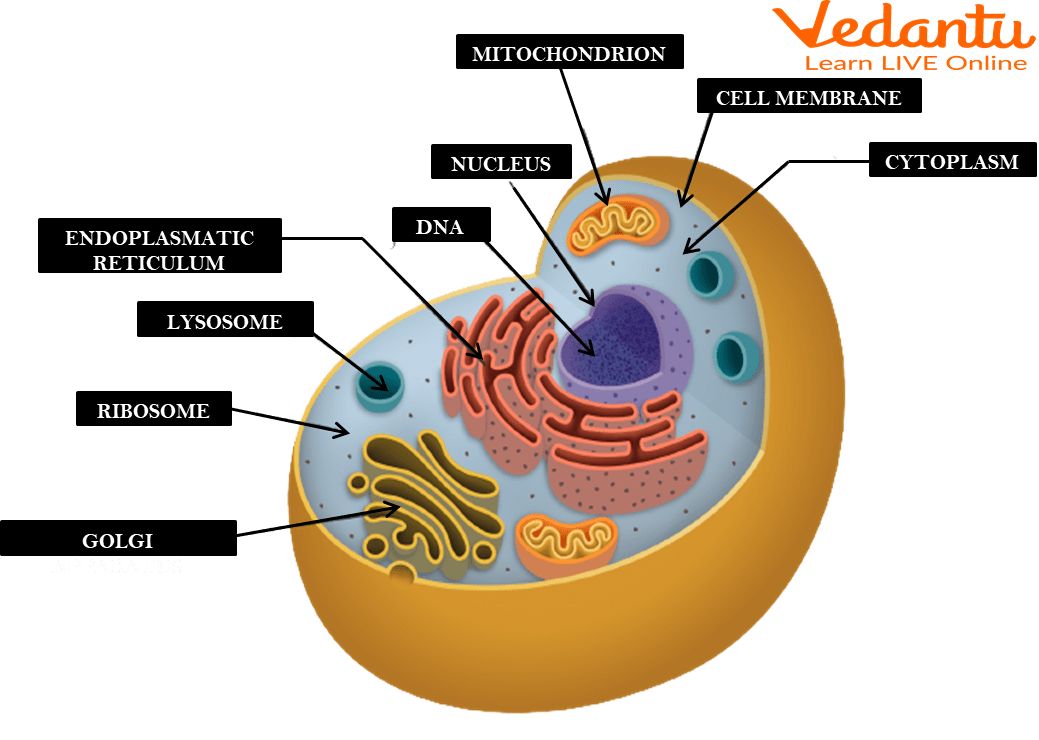
Cell organelles are specialized microscopic structures present within the cytoplasm of eukaryotic and prokaryotic cells. Each organelle has a unique structure and function, contributing to various cellular activities such as energy production, waste disposal, synthesis of molecules, and maintaining cellular organization. Organelles are often compared to organs in a body, each playing a specific role to keep the cell healthy and functional.
Core Principles and Fundamentals of Cell Organelles
To understand cell organelles thoroughly, it's important to grasp the basic organization of a cell and the unique roles played by each organelle. Let us break down the foundational ideas associated with this topic.
1. Compartmentalization
Cell organelles are membrane-bound (in eukaryotes), allowing cells to carry out specialized biochemical reactions in controlled environments. This division of labor ensures efficiency and proper regulation of cellular processes.
2. Structure-Function Relationship
Each organelle's structure is closely related to its function. For example, the double membrane of mitochondria aids energy production, whereas the extensive surface area of the endoplasmic reticulum supports protein and lipid synthesis.
3. Dynamic Interactions
Cell organelles are not isolated; they interact constantly. For example, proteins manufactured in the rough endoplasmic reticulum are sent to the Golgi apparatus for modification and packaging.
Key Sub-Concepts of Cell Organelles
Several major organelles are central to cellular functioning, and NEET questions often focus on their structure, location, and function. Here are the most important sub-concepts, along with relevant visual references:
Plasma Membrane
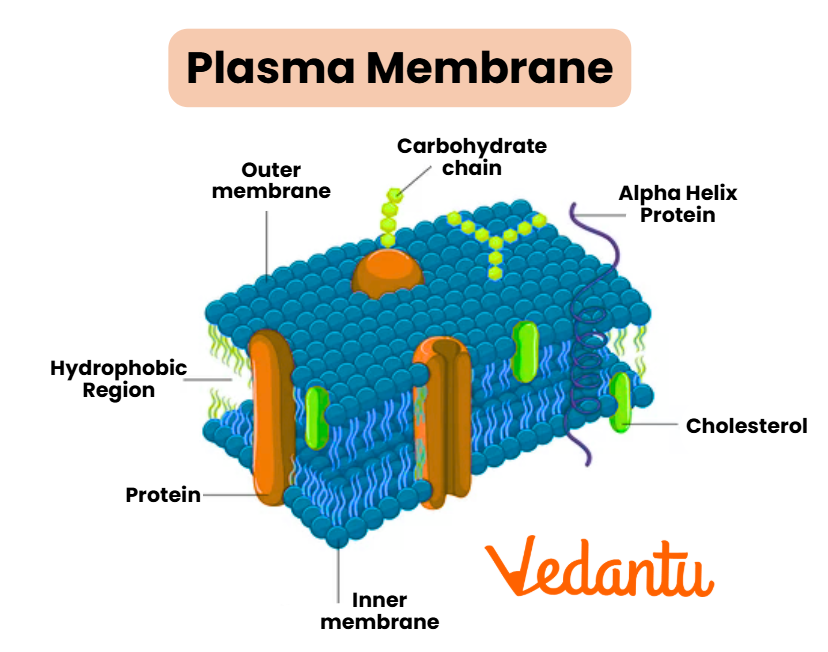
The plasma membrane is the flexible, semi-permeable barrier that surrounds the cell, regulating movement of substances in and out. Composed of a phospholipid bilayer with embedded proteins, it is vital for communication, transport, and structural integrity.
Cytoplasm
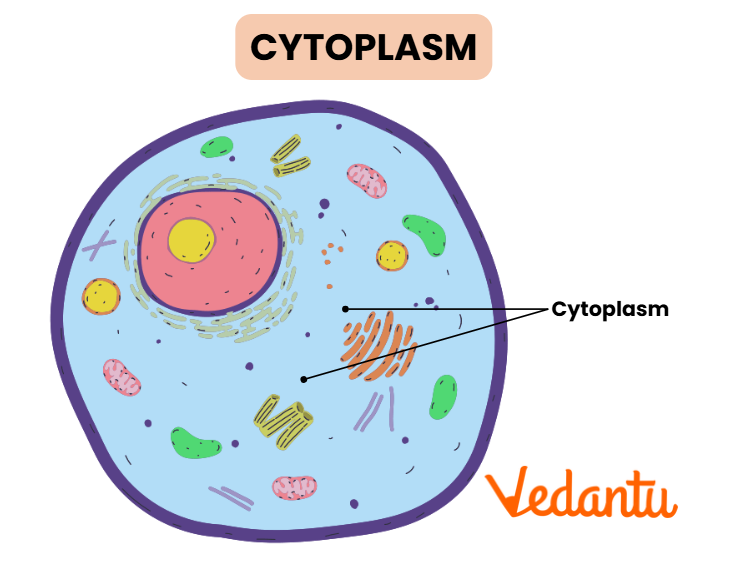
Cytoplasm is the gel-like fluid in which all organelles are suspended. It supports metabolic reactions and helps distribute materials throughout the cell.
Nucleus
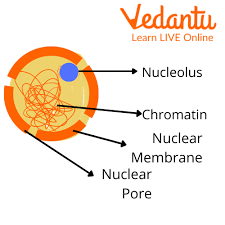
The nucleus is the command center of the cell, containing genetic material (DNA) and controlling growth, reproduction, and protein synthesis.
Mitochondria
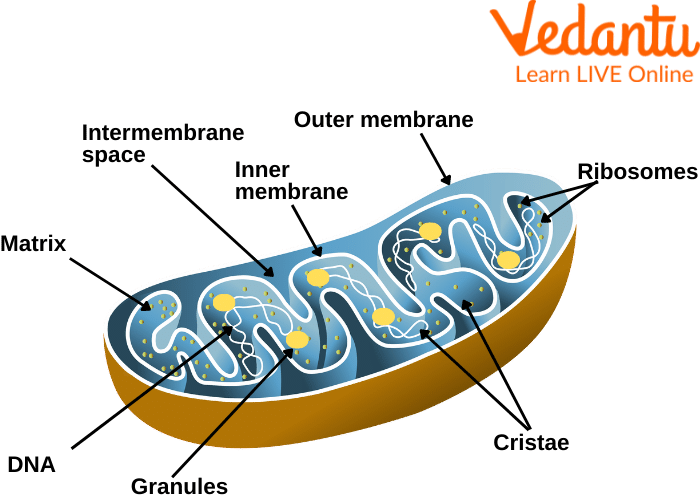
Often called the “powerhouse of the cell,” mitochondria generate most of the energy (ATP) required for cellular processes through cellular respiration.
Chloroplast (in plant cells)
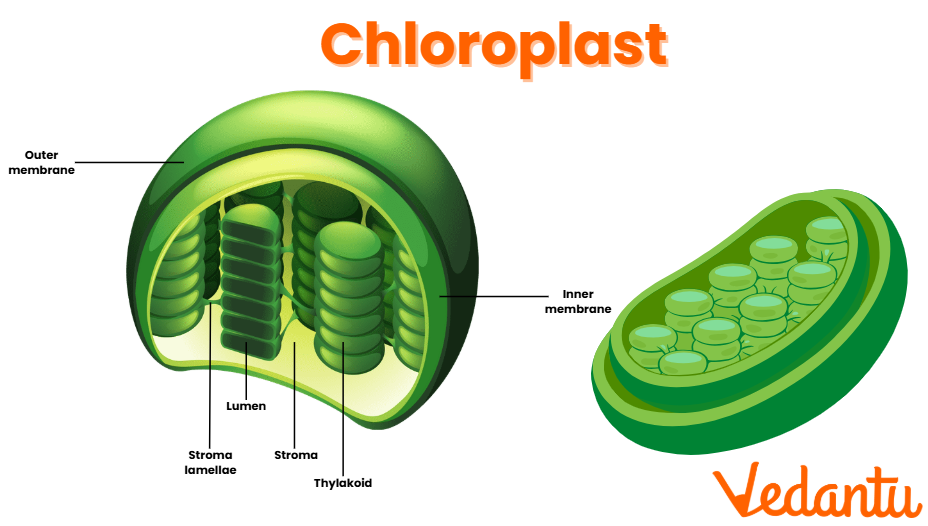
Chloroplasts are found in plant cells and some algae, responsible for photosynthesis - the process of converting sunlight into chemical energy.
Endoplasmic Reticulum (ER)
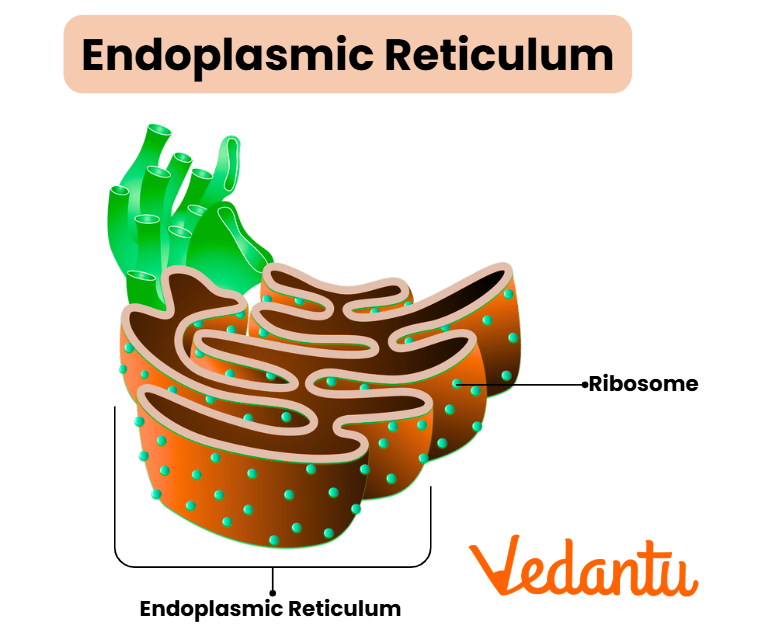
The ER exists as rough (with ribosomes) and smooth (without ribosomes) types. It is involved in protein and lipid synthesis, detoxification, and transport within the cell.
Golgi Apparatus
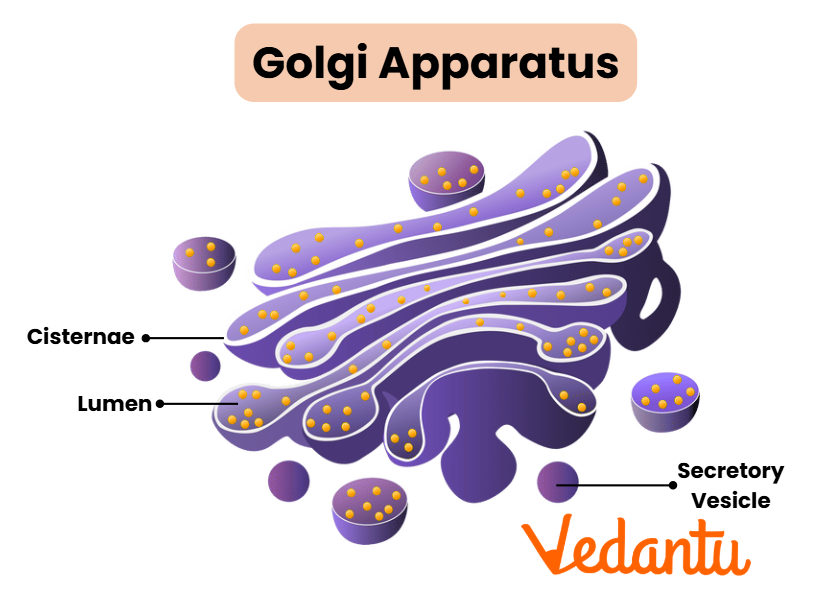
This organelle modifies, sorts, and packages proteins and lipids for storage or transport out of the cell.
Microbodies (Lysosomes, Peroxisomes)
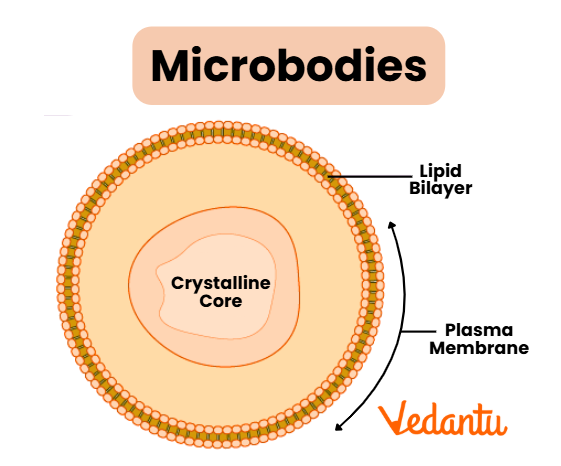
Microbodies such as lysosomes and peroxisomes are involved in digestion and detoxification. Lysosomes are also known as the “suicide bags” of the cell.
Flagella and Cilia
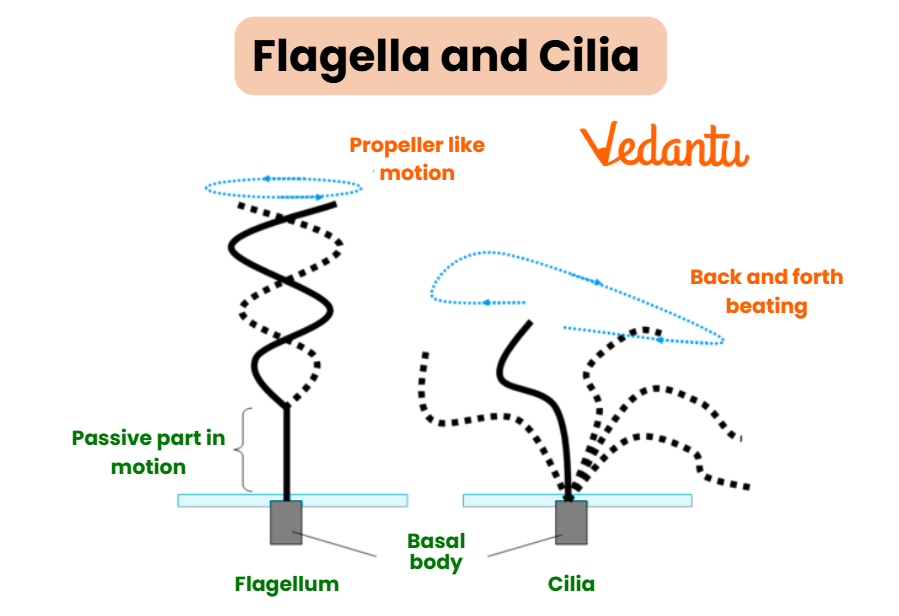
These hair-like structures are responsible for locomotion and movement of substances over cell surfaces.
Centrosome and Centrioles
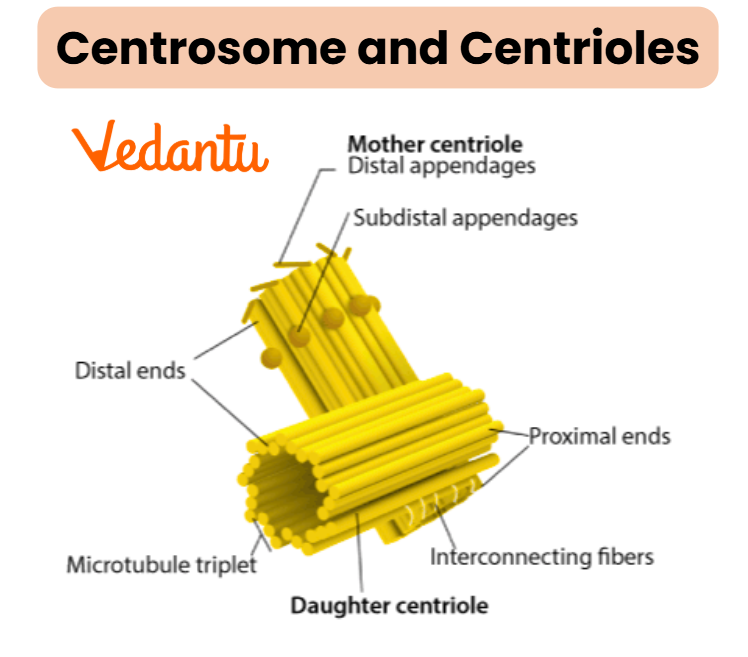
Centrosomes and centrioles are key to cell division, especially in organizing spindle fibers during mitosis and meiosis.
Vacuole
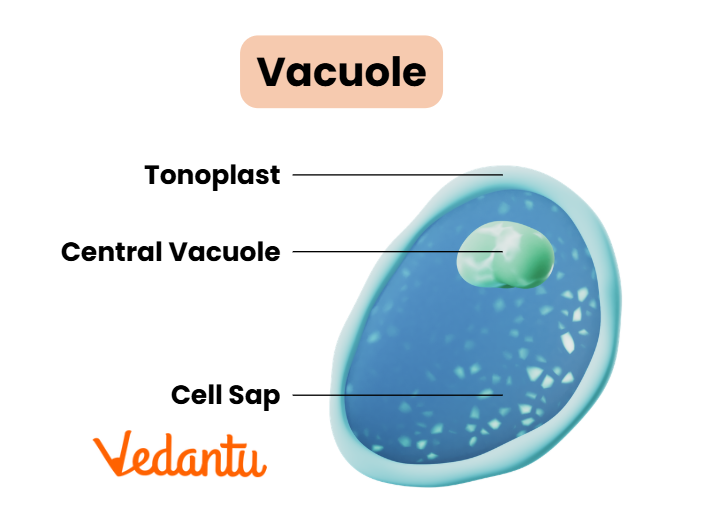
Vacuoles are storage organelles that hold water, nutrients, and waste products. They are prominent in plant cells, helping maintain shape and rigidity.
Important Characteristics and Roles of Major Cell Organelles
| Organelle | Main Function | Key Unique Feature |
|---|---|---|
| Plasma Membrane | Selective barrier and communication | Phospholipid bilayer with embedded proteins |
| Nucleus | Stores genetic material, controls cell | Double envelope with nuclear pores |
| Mitochondria | Energy (ATP) production | Double membrane, has own DNA |
| Chloroplast | Photosynthesis (plants) | Contains chlorophyll, own DNA |
| Endoplasmic Reticulum | Protein & lipid synthesis, transport | Rough (ribosomes) and smooth types |
| Golgi Apparatus | Modification and packaging | Stacks of cisternae |
| Lysosomes | Digestion & waste removal | Contains hydrolytic enzymes |
| Vacuoles | Storage, maintaining pressure | Large central vacuole in plants |
This table helps quickly compare major cell organelles, highlighting their primary functions and distinguishing features, which is useful for NEET revision and MCQ solving.
Why Cell Organelles are Important for NEET Preparation
Detailed knowledge of cell organelles is essential for NEET, as direct and application-based questions frequently appear in the exam. Questions may test your ability to identify structures, match functions, analyze diagrams, or solve assertion-reason types. Understanding cell organelles provides a foundation for complex topics such as genetics, cell division, respiration, and photosynthesis, helping you build connections throughout the Biology syllabus. A strong command of this topic increases confidence when interpreting NCERT diagrams and decoding tricky options.
How to Study Cell Organelles Effectively for NEET
- Start by understanding the structure and basic function of each organelle. Use clear, labeled diagrams from the NCERT textbook or reliable sources.
- Use memory aids, mnemonics, or analogies (example: Mitochondria as the “powerhouse”) to remember roles.
- Relate each organelle to key cell processes (e.g., how mitochondria tie into respiration, or the role of the Golgi in secretion).
- Solve MCQs regularly to test recognition of organelle diagrams, compare functions, or analyze experimental data.
- Revise comparative tables and flowcharts for last-minute, quick reviews.
- Pay attention to differences between plant and animal cells (e.g., presence of chloroplasts and vacuoles).
- Practice drawing and labeling diagrams - NEET often includes labeling questions or concept-based diagram queries.
- After every revision, review common mistakes and uncertain points to reinforce concepts.
Common Mistakes Students Make with Cell Organelles
- Confusing the functions of similar organelles (e.g., lysosomes vs. peroxisomes)
- Overlooking key differences between plant and animal cell organelles
- Not practicing enough diagram-based questions or label identification
- Memorizing facts without understanding the structure-function relationship
- Ignoring dynamic interactions and transport between organelles
- Forgetting which organelles are membrane-bound and which are not
Quick Revision Points on Cell Organelles
- Cell organelles are specialized cell structures, each with a unique function.
- Plasma membrane controls entry and exit of substances; it is semi-permeable.
- Nucleus holds genetic material and directs activities.
- Mitochondria produce energy; contain their own DNA.
- Chloroplasts are found in plant cells, play a role in photosynthesis, and also have their own DNA.
- Endoplasmic reticulum is of two types: rough (with ribosomes) and smooth (without ribosomes).
- Golgi apparatus packages and processes proteins.
- Lysosomes handle cellular digestion and waste removal.
- Plant cells have large central vacuoles for storage and maintaining turgor pressure.
- Centrosomes and centrioles are crucial for cell division in animal cells.
- Review NCERT diagrams and practice MCQs for accuracy.
FAQs on Cell Organelles for NEET: Comprehensive Biology Overview
1. What are cell organelles and what is their main function in the cell?
Cell organelles are specialized structures within cells that perform distinct tasks essential for cell survival and function. In the context of NEET, understanding organelle roles is crucial:
- Nucleus controls genetic information and cell activities.
- Mitochondria are the site of energy (ATP) production.
- Endoplasmic reticulum (smooth and rough) synthesizes proteins and lipids.
- Golgi apparatus processes, sorts and packages proteins.
- Lysosomes break down waste and cellular debris.
- Chloroplasts (in plants) carry out photosynthesis.
2. What is the difference between membrane-bound and non-membrane-bound organelles?
Membrane-bound organelles are surrounded by a lipid membrane, whereas non-membrane-bound organelles lack such covering. For NEET, key differences include:
- Membrane-bound: Nucleus, mitochondria, endoplasmic reticulum, Golgi apparatus, lysosomes, chloroplasts (found mainly in eukaryotic cells).
- Non-membrane-bound: Ribosomes, centrioles (present in both prokaryotic and eukaryotic cells).
3. Which organelle is known as the Powerhouse of the Cell?
Mitochondria are called the 'Powerhouse of the Cell' as they generate most of the cell’s energy in the form of ATP. In NEET exams, remember:
- Site of aerobic respiration.
- Contain their own DNA and ribosomes.
- Produce energy needed for cellular functions.
4. What is the function of lysosomes in the cell?
Lysosomes act as the 'digestive system' of the cell, breaking down waste, foreign particles, and damaged organelles. Key facts for NEET:
- Contain hydrolytic enzymes.
- Help in intracellular digestion.
- Play a role in cell defense and autophagy.
5. What organelle is present only in plant cells and why?
Chloroplasts are unique to plant cells, enabling photosynthesis. For NEET:
- Contain the pigment chlorophyll.
- Convert light energy to chemical energy.
- Essential for synthesizing glucose in plants.
6. Describe the structure and function of the nucleus.
Nucleus is a membrane-bound organelle acting as the control center of the cell. NEET-syllabus points:
- Surrounded by nuclear envelope with pores.
- Contains chromatin (DNA + proteins) and nucleolus.
- Regulates gene expression and cell division.
7. What is the endoplasmic reticulum and what are its types?
Endoplasmic reticulum (ER) is an extensive network responsible for synthesis and transportation inside the cell. Types as per NEET curriculum:
- Rough ER: Studded with ribosomes; synthesizes proteins.
- Smooth ER: Lacks ribosomes; synthesizes lipids and detoxifies chemicals.
8. What is the main function of ribosomes?
Ribosomes are molecular machines that synthesize proteins by translating mRNA messages. Important for NEET:
- Found in cytoplasm or attached to rough ER.
- Composed of rRNA and proteins.
- Sites of protein synthesis in all living cells.
9. What is the significance of the Golgi apparatus?
Golgi apparatus is the packaging and distribution center of the cell. For NEET syllabus:
- Modifies, sorts, and packages proteins and lipids from the ER.
- Forms secretory vesicles and lysosomes.
- Essential for transport within and outside the cell.
10. List the differences between prokaryotic and eukaryotic cell organelles.
Prokaryotic cells lack most membrane-bound organelles, while eukaryotic cells have them. Main NEET-relevant differences:
- Prokaryotes (e.g., bacteria): No nucleus, absence of mitochondria/Golgi/ER, have ribosomes only.
- Eukaryotes: Contain nucleus, mitochondria, ER, Golgi apparatus, lysosomes, etc.
11. What is the function of vacuoles in plant cells?
Vacuoles in plant cells store water, nutrients, and waste products. Critical NEET points:
- Maintain turgor pressure for cell rigidity.
- Contain cell sap (a solution of salts, sugars, acids).
- Help in waste disposal and storage of secondary metabolites.
12. Which organelles contain their own DNA?
Mitochondria and chloroplasts have their own DNA, allowing them to replicate independently. As per NEET curriculum:
- Supports the endosymbiotic theory.
- These organelles synthesize some of their own proteins.
- Found in eukaryotic cells (mitochondria in all; chloroplasts only in plants/algae).
