



In this article, we will discuss science drawing for class 7th. In Biology, diagrams are by far the most crucial component. We will also study a clean, labelled diagram of class 7th. After reading this article, readers will be able to explain the diagram of :
Photosynthesis
Human digestive system
Structure of heart
Human excretory system.

List of CBSE Class 7 Biology Important Diagrams with Labels and Uses
Biology diagrams play a key role in understanding and remembering scientific concepts, especially for students in CBSE Class 7. Accurate and well-labelled diagrams help make abstract processes clearer and improve retention for exams. Visual learning using diagrams is just as important as memorising definitions or formulas. In this guide, you'll find essential Class 7 biology diagrams, explanations, and science drawing tips to strengthen your concepts and boost your exam performance.
How Diagrams Simplify CBSE Class 7 Biology Concepts
Diagrams serve as visual representations that support theoretical explanations. Before exams, students can quickly revise labelled structures, making learning efficient and effective. Clear science drawings also train students to answer diagram-based questions and develop application skills, which are valued in the CBSE curriculum.
Core Biology Diagrams for Class 7
- Photosynthesis in plants
- Digestive process in Amoeba
- Circulatory system schematic
- Structure of the human heart
- Human excretory system
- Reproductive parts of a flower
- Pollination process in flowers
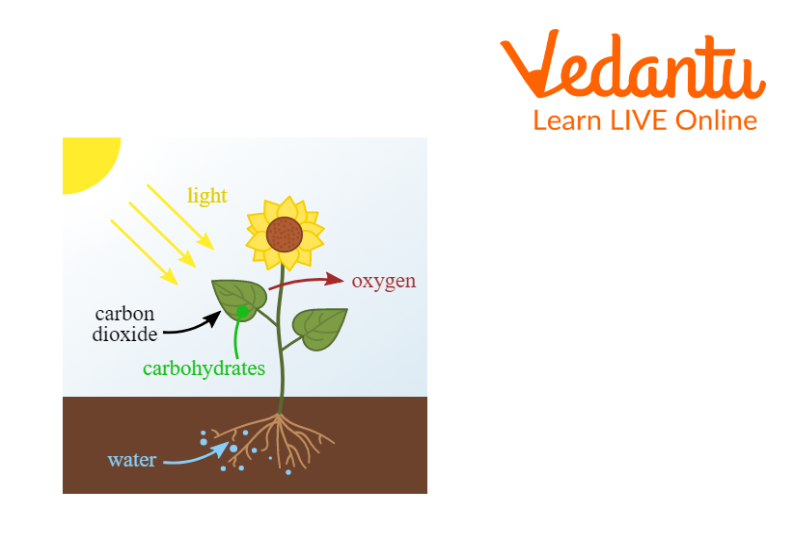
1. Photosynthesis
Photosynthesis allows plants to prepare food using water, carbon dioxide, minerals, and sunlight. The process takes place primarily in the leaves where chlorophyll captures sunlight. Roots absorb water and minerals, which are transported to leaves, while carbon dioxide enters through stomata. This combination produces food and oxygen.
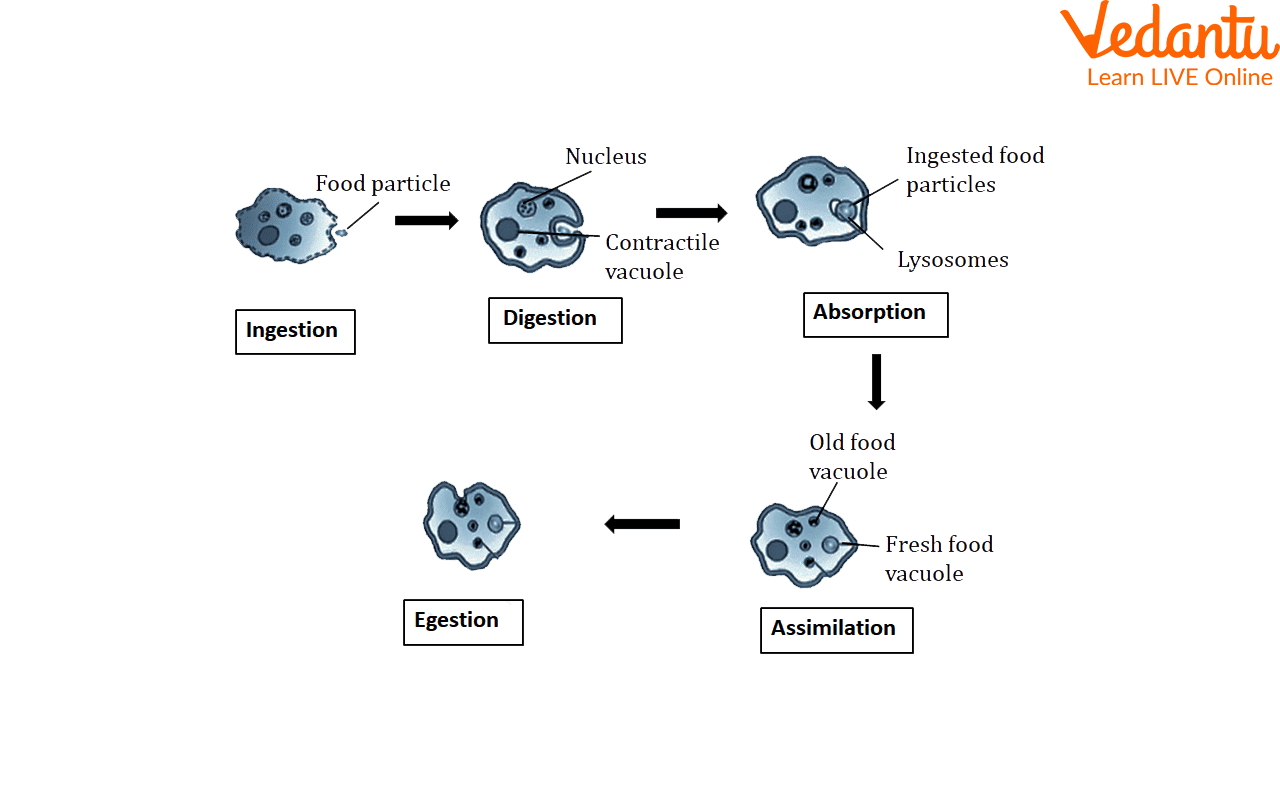
2. Digestion in Amoeba
Amoeba is a single-celled organism commonly present in stagnant water. It digests food by stretching pseudopodia to surround food particles, forming a food vacuole. Digestive juices in the vacuole break down the food so that nutrients are absorbed, enabling growth and energy.
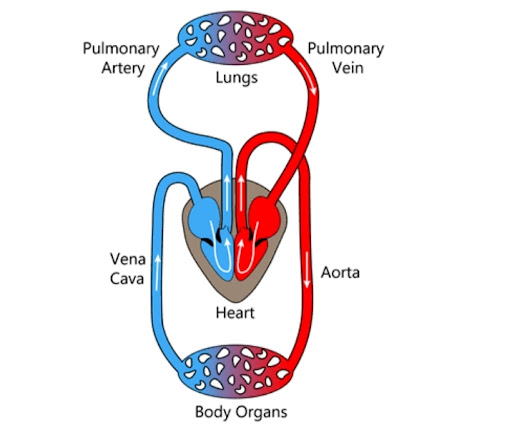
3. Schematic Diagram of Circulation
The human circulatory system has arteries, veins, and capillaries. Veins return deoxygenated blood to the heart, while arteries carry oxygen-rich blood throughout the body. This double circulation ensures all body parts receive oxygen efficiently. Endothelial cells line the capillaries for smooth blood flow.
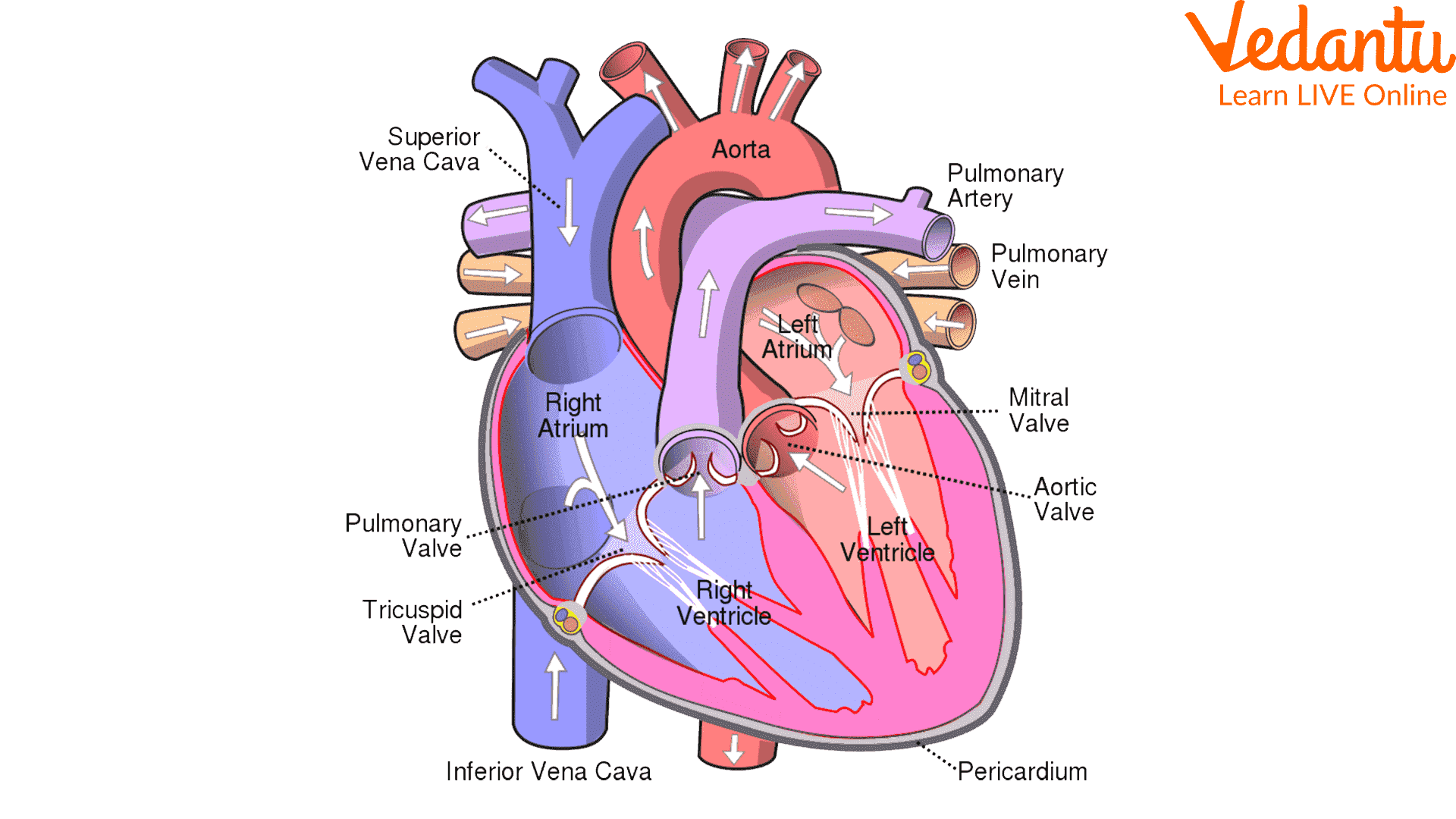
4. Structure of Heart
The heart is a muscular organ that pumps blood and stops the mixing of oxygenated and deoxygenated blood. It has four chambers: two upper atria and two lower ventricles, separated by valves. This structure maintains effective blood circulation and supports healthy body function.
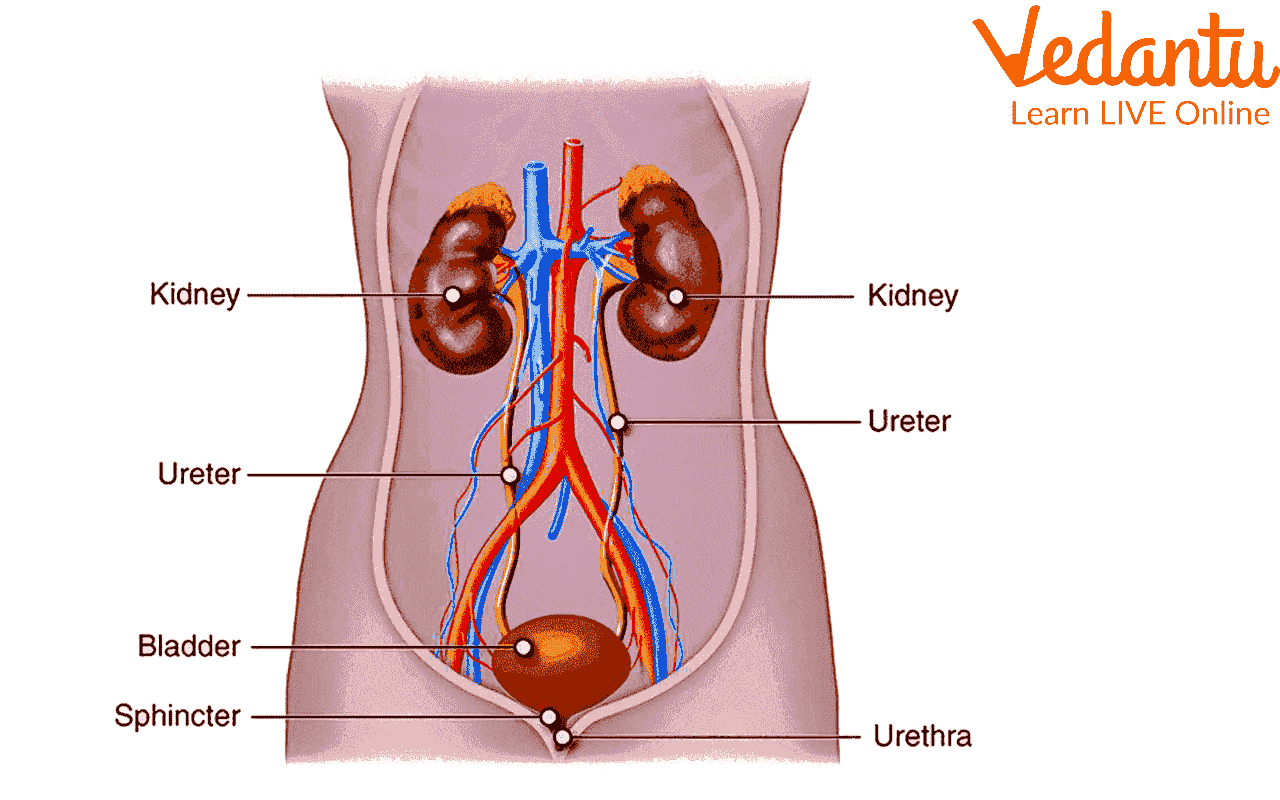
5. Human Excretory System
Excretion removes waste produced by body cells. The human excretory system includes two kidneys, two ureters, a bladder, and a urethra. Kidneys filter blood to form urine, which passes through the ureters to the bladder and leaves the body via the urethra. Urea is a major waste product expelled in urine.
6. Reproductive Parts of a Flower
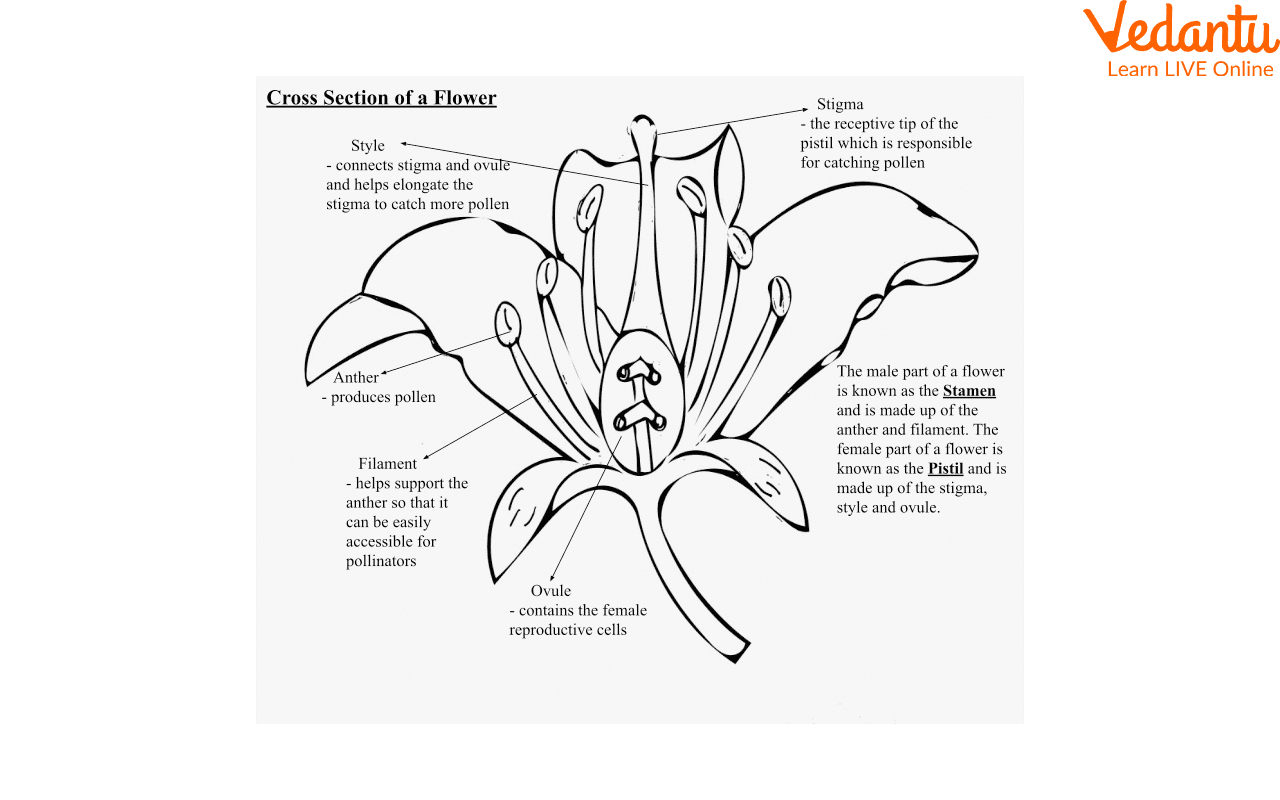
A typical flower has sepals, petals, stamens (male part), and pistils (female part). The stamen is made of anther and filament, producing pollen. Pistil includes stigma, style, and ovary (which contains ovules). Pollination transfers pollen to the stigma, enabling seeds to form.
7. Pollination in Flowers
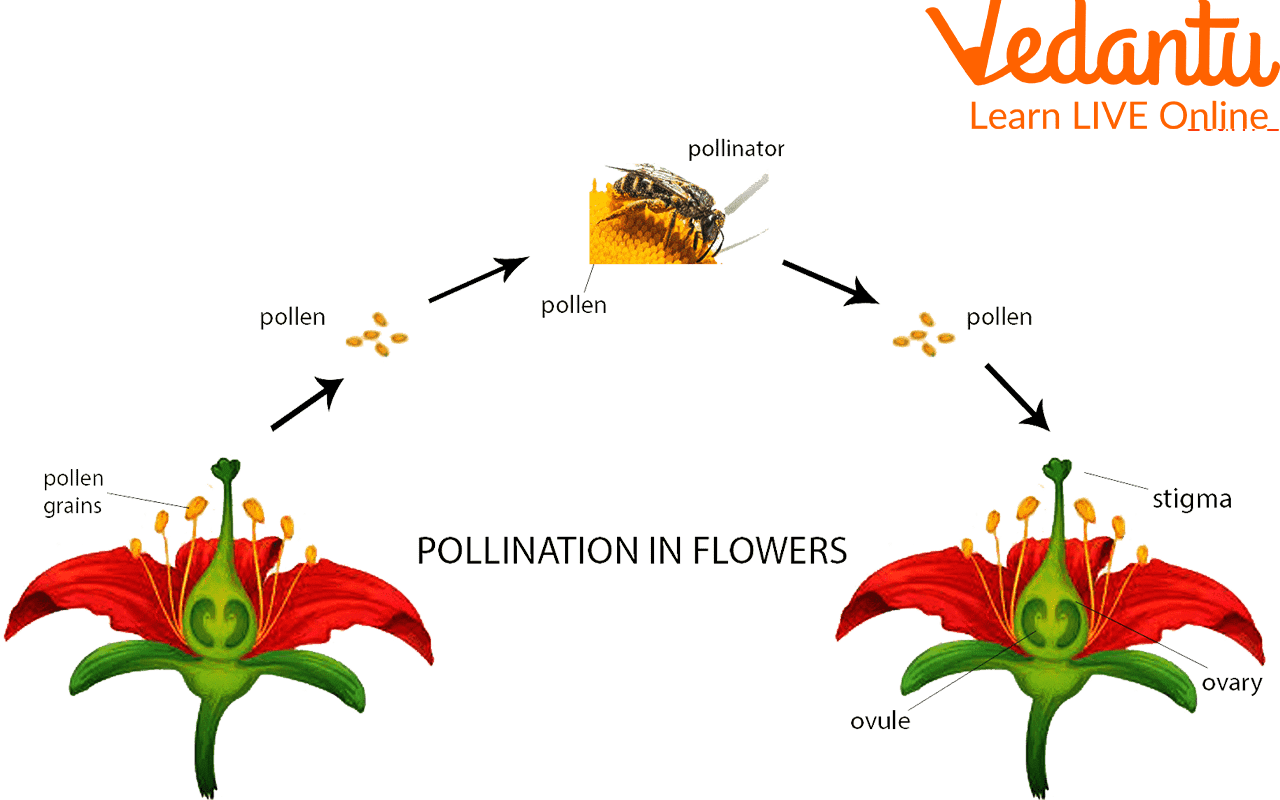
Pollination carries pollen from the anther to the stigma. This may occur within the same flower or between different flowers of the same species. After pollination, the ovules develop into seeds, and fruits form. Cross-pollination introduces features from both parent plants.
Step-by-Step: Drawing and Learning Diagrams
- Read diagram explanations and understand each labelled part.
- Practice by first tracing and then freehand drawing for neatness.
- Label every structure clearly using a ruler for straight lines.
- Revise regularly so diagrams can be recalled quickly in exams.
Key Concepts and Definitions
- Stomata: Tiny pores on leaves for gas exchange and transpiration.
- Photosynthesis: Process by which green plants make food from CO2 and water using sunlight.
- Pseudopodia: Temporary projections of Amoeba used for movement and feeding.
- Excretion: Removal of waste substances from the body.
- Pollination: Transfer of pollen from anther to stigma, leading to fertilisation.
| Diagram | Main Parts | Scientific Importance |
|---|---|---|
| Photosynthesis | Leaf, stomata, chlorophyll, roots | Basis for plant nutrition & producers |
| Heart Structure | Atria, ventricles, valves | Blood circulation and oxygen delivery |
| Human Excretory System | Kidneys, ureters, bladder, urethra | Waste removal and homeostasis |
| Flower Parts | Sepals, petals, stamens, pistil | Plant reproduction and seed formation |
Science Practice Questions
- Label the main parts of the human heart and explain their role.
- Draw and compare the reproductive organs of a flower.
- Explain the movement of water during photosynthesis with a diagram.
- Describe the process of digestion in Amoeba using a labelled drawing.
Explore More and Practice
Consistent practice and neat labelling are vital for mastering biology diagrams. Focus on understanding the function behind each part as you draw. For more revision and detailed explanations, visit Vedantu’s comprehensive science diagram resources anytime.


FAQs on CBSE Class 7 Important Diagrams with Clear Explanations
1. What are the most important diagrams in CBSE Class 7 Biology?
The most important CBSE Class 7 Biology diagrams include key structures from plant and animal systems that are frequently asked in exams. These diagrams help students understand structure and function clearly.
- Human digestive system
- Human respiratory system
- Human excretory system
- Human heart
- Parts of a flower
- Structure of a leaf
- Food chain and food web
- Water cycle
2. How do you draw and label the human digestive system for Class 7?
The human digestive system diagram for Class 7 should clearly show the main organs involved in digestion in correct sequence. Draw and label the following parts:
- Mouth
- Oesophagus
- Stomach
- Small intestine
- Large intestine
- Rectum and anus
3. What are the main parts of a flower in the Class 7 diagram?
The main parts of a flower in the Class 7 diagram include four basic whorls responsible for reproduction. These parts are:
- Sepals – protect the bud
- Petals – attract pollinators
- Stamen – male reproductive part (anther and filament)
- Pistil/Carpel – female reproductive part (stigma, style, ovary)
4. What is shown in the human respiratory system diagram for Class 7?
The human respiratory system diagram shows the organs involved in breathing and exchange of gases. It includes:
- Nostrils
- Nasal cavity
- Trachea
- Bronchi
- Lungs
- Diaphragm
5. How is the human heart diagram labelled in Class 7?
The human heart diagram in Class 7 shows four chambers and major blood vessels. The key labels include:
- Right atrium
- Right ventricle
- Left atrium
- Left ventricle
- Aorta
- Vena cava
6. What is the structure of a leaf diagram in CBSE Class 7?
The structure of a leaf diagram in Class 7 shows the external parts of a leaf important for photosynthesis. The main labelled parts are:
- Lamina (leaf blade)
- Midrib
- Veins
- Petiole
7. What does the human excretory system diagram show?
The human excretory system diagram shows the organs responsible for removing waste from the body. It includes:
- Kidneys
- Ureters
- Urinary bladder
- Urethra
8. What is a food chain diagram in Class 7?
A food chain diagram shows the transfer of energy from one organism to another in an ecosystem. It usually follows this order:
- Producer (green plants)
- Primary consumer (herbivore)
- Secondary consumer (carnivore)
- Tertiary consumer
9. How do you draw the water cycle diagram for Class 7?
The water cycle diagram shows the continuous movement of water on Earth through different processes. The main stages to label are:
- Evaporation
- Condensation
- Precipitation
- Collection
10. Why are labelled diagrams important in CBSE Class 7 Biology exams?
Labelled Biology diagrams are important in CBSE Class 7 exams because they improve understanding and help score full marks. Diagrams:
- Make complex structures easy to understand
- Help in quick revision before exams
- Carry separate marks for neat labelling
- Improve presentation and clarity
In this article, we will discuss science drawing for class 7th. In Biology, diagrams are by far the most crucial component. We will also study a clean, labelled diagram of class 7th. After reading this article, readers will be able to explain the diagram of :
Photosynthesis
Human digestive system
Structure of heart
Human excretory system.



