




Types and process of food preservation methods with examples
Food Preservation Methods are critical for preventing spoilage, ensuring food safety, and reducing waste. These techniques have supported human societies for centuries by keeping food edible for longer durations. In today’s world, food preservation methods play a vital role in environmental sustainability, public health, and food security across the globe.
What is Food Preservation?
Food preservation refers to the process of treating and handling food to delay spoilage and keep it safe for consumption. The main aim is to slow down or stop the growth of microorganisms, slow enzymatic activity, and prevent chemical changes that cause food to become unsafe or lose quality. These techniques can be natural or artificial and are used at both household and industrial levels.
Objectives of Food Preservation Methods
The major objectives of food preservation methods are as follows:
- Preventing or delaying the growth of spoilage-causing microorganisms.
- Maintaining the nutritional value and sensory qualities of food.
- Reducing food loss and minimizing wastage.
- Increasing the shelf life of perishable foods.
- Making seasonal and distant foods available all year round.
- Ensuring convenience and food safety for consumers.
Why Does Food Spoil?
Food spoils mainly due to four reasons—microbial contamination, insect infestation, natural enzymatic activity, and physical or chemical changes. Microorganisms such as bacteria and fungi multiply rapidly in moist, nutrient-rich foods. Insect pests can damage stored grains or fruits. Enzymes in the food continue acting after harvest, leading to over-ripening or breakdown. Physical and chemical reactions, caused by improper storage or exposure to air and light, also degrade food.
Importance of Food Preservation Methods
Implementing food preservation methods is essential for several reasons:
- Prolongs the availability and shelf life of food products.
- Limits the growth of harmful microbes, thereby preventing illnesses.
- Helps households and industries minimize food wastage and contribute to sustainability.
- Makes it possible to transport food across long distances without spoilage.
- Provides variety in diet by allowing off-season foods to be consumed year-round.
- Supports agriculture and food industries' economic growth.
Types of Food Preservation Methods with Examples
There are various food preservation methods. Each technique works well for specific food categories and has its advantages. Let’s explore the most common methods with examples.
1. Drying (Dehydration)
Drying is one of the oldest food preservation methods. It removes moisture, making it hard for bacteria and fungi to survive. Popular examples include dried fruits like raisins, apricots, and dried fish or meat (jerky). Methods range from sun-drying and air-drying to using food dehydrators.

2. Salting and Sugaring
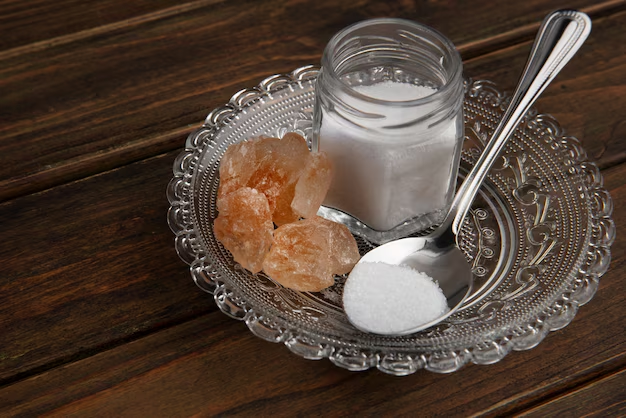
Salting is widely used for preserving meat and fish by extracting water and inhibiting microbial action. Sugaring is effective for fruits, where sugar draws out moisture, creating jams, jellies, and candied fruits. Both methods help prolong shelf life and retain taste and texture.
3. Pickling
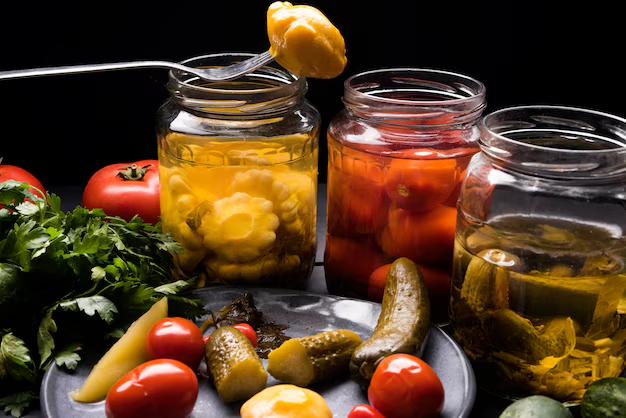
Pickling uses acids—usually vinegar or lemon juice—or allows food to ferment in brine. The acidic environment prevents microbial growth while adding unique flavors. Commonly pickled foods include cucumbers, lemons, onions, and mixed vegetables. Pickling is important in many global cuisines.
4. Cooling and Freezing
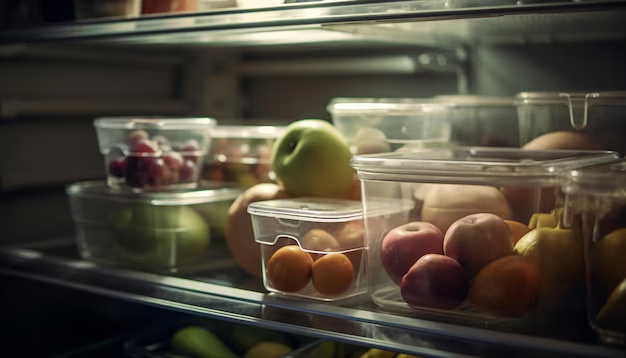
Refrigeration slows down enzyme activity and the growth of microbes, keeping perishable products like milk, fruits, and vegetables fresh. Freezing keeps food below 0°C, stopping microbial activity almost completely. Both techniques help preserve quality for days to months, depending on the product.
5. Canning and Bottling
Canning involves heating food in airtight containers, destroying microbes and preventing new contamination. It’s used for vegetables, fruits, beans, sauces, soups, and even meat. Properly canned food can last for months or years at room temperature.
6. Fermentation
This method relies on helpful bacteria, yeasts, or molds to convert sugars into acids or alcohol. Fermentation not only increases shelf life but also adds health benefits (like probiotics in curd or sauerkraut). Common examples: yogurt, cheese, kimchi, and idli/dosa batter. To read more about fermentation and its link with biological science, explore Biological Science on Vedantu.
7. Pasteurization
Pasteurizing food (mainly liquids) involves heating to a specific temperature for a short time. This kills harmful microorganisms but retains most nutrients and flavor. Milk and fruit juices are common examples of pasteurized products.
8. Vacuum Packing & Modified Atmosphere Packaging
Vacuum packing removes oxygen, which prevents oxidation and restricts the growth of bacteria. It’s used for cheese, cured meats, and coffee. Modified atmosphere packaging replaces air with gases like nitrogen or carbon dioxide to extend shelf life of packaged foods.
9. Food Irradiation
Irradiation exposes food to controlled ionizing radiation. It destroys pests and pathogens and extends shelf life—commonly applied to spices and some fruits. This method is useful in large-scale food distribution and improves food hygiene.
Food Preservation Methods: Table of Examples and Applications
| Method | Common Examples | Main Benefits |
|---|---|---|
| Drying | Raisins, dried fish, herbs | Lightweight, long shelf life, easy storage |
| Salting | Salted fish, pickles, cured meat | Prevents microbial growth, adds flavor |
| Sugaring | Jams, jellies, candied peel | Preserves sweetness and nutrients |
| Pickling | Sour pickles, kimchi | Acidic pH stops spoilage |
| Freezing | Peas, meat, frozen meals | Best for fresh taste and nutrition |
| Canning | Beans, canned tomatoes | Long-term, ready-to-eat |
| Fermentation | Curd, yogurt, kimchi, bread | Improves health, preserves probiotics |
| Pasteurization | Milk, juice | Safe, retains nutrients |
| Vacuum Packing | Cheese, coffee, packaged meat | Prevents contamination |
| Irradiation | Spices, dried fruits | Kills insects, microbes; keeps food safe |
This table summarizes the diversity of food preservation methods with real-world examples and their advantages. Students can observe that each method has unique relevance for different food groups and situations.
Choosing the Right Food Preservation Method
Selecting a preservation method depends on the type of food (vegetables, meat, dairy, grains), the desired duration, taste, and available resources. For example, freezing suits green peas, canning is better for tomatoes, and pickling enhances flavor in cucumbers. Considering climate and storage facilities is also vital. To further understand components of food, visit Components of Food on Vedantu.
Applications and Advantages in Real Life
Food preservation methods are essential in households, restaurants, the food industry, and for global food trade. They safeguard public health, prevent famines, and support food science and research. Their significance is highlighted in medicine (nutritional supplements), agriculture (storage of grains), and environmental conservation (reduced food waste).
Food Preservation Methods in Class 12 Biology
For Class 12 Biology, understanding the principles and science behind food preservation methods helps in multiple areas—from nutrition to microbiology. Students can use diagrams to illustrate processes like canning, fermentation, and drying. Practicing food preservation methods MCQs and reviewing the food preservation methods PPT will assist in exam preparation. For easy diagrams, refer to Important Diagrams on Vedantu.
Page Summary
Food preservation methods are vital for maintaining food quality, safety, and sustainability. By learning about their types, objectives, and real-world applications, students gain insights into their impact on health and the environment. Choosing the right method helps reduce food waste and supports sustainable development. Knowledge in this field is crucial for both academics and everyday life.


FAQs on Food Preservation Methods in Biology
1. What are food preservation methods in biology?
Food preservation methods are techniques used to prevent food spoilage by inhibiting the growth of microorganisms and slowing down enzymatic reactions. These methods extend shelf life and maintain nutritional quality by controlling factors such as temperature, moisture, and oxygen.
- Prevent growth of bacteria, yeasts, and molds
- Slow down natural enzymatic breakdown of food
- Reduce oxidation and chemical changes
- Maintain safety, texture, and flavor
2. How does refrigeration preserve food?
Refrigeration preserves food by slowing the growth of microorganisms and reducing the rate of enzyme activity at low temperatures. Most refrigerators operate at about 0–4°C, which delays microbial multiplication.
- Slows metabolic activity of bacteria and fungi
- Reduces enzymatic reactions that cause spoilage
- Extends shelf life of perishable foods like milk, meat, and vegetables
3. What is the difference between freezing and refrigeration?
The main difference between freezing and refrigeration is that freezing stops microbial growth by turning water into ice, while refrigeration only slows it down. Freezing occurs at temperatures below 0°C, whereas refrigeration is above 0°C.
- Freezing: Water forms ice crystals, preventing microbial activity
- Refrigeration: Slows but does not stop microbial growth
- Freezing preserves food for months; refrigeration preserves for days to weeks
4. How does drying preserve food?
Drying preserves food by removing moisture, which is essential for the growth of microorganisms. Without sufficient water, microbes cannot multiply or carry out metabolic processes.
- Reduces water activity in food
- Prevents growth of bacteria, molds, and yeasts
- Includes methods like sun drying and dehydrators
5. What is pasteurization and how does it work?
Pasteurization is a heat treatment process that kills harmful pathogenic microorganisms without significantly affecting food quality. It involves heating food to a specific temperature for a set time and then cooling it quickly.
- Common in milk, juice, and liquid foods
- Reduces disease-causing bacteria like Salmonella and Listeria
- Does not completely sterilize the product
6. How does salting preserve food?
Salting preserves food by creating a high concentration of salt that draws water out of microbial cells through osmosis. This process inhibits microbial growth and enzyme activity.
- Reduces available moisture
- Causes dehydration of bacteria
- Commonly used for meat and fish preservation
7. What is canning in food preservation?
Canning is a food preservation method that involves heating food in sealed containers to destroy microorganisms and prevent recontamination. The process creates a vacuum seal that blocks air and microbes.
- Food is placed in airtight containers
- Heated to kill bacteria and spores
- Sealed to prevent microbial entry
8. How does fermentation help in preserving food?
Fermentation preserves food by using beneficial microorganisms to produce acids or alcohol that inhibit harmful microbes. These products create an environment unsuitable for spoilage organisms.
- Lactic acid bacteria produce lactic acid in yogurt and sauerkraut
- Yeasts produce alcohol in fermented beverages
- Lowered pH prevents pathogen growth
9. Why is food preservation important in biology?
Food preservation is important in biology because it prevents foodborne diseases and reduces spoilage caused by microbial growth and enzymatic reactions. It ensures safe consumption and reduces food waste.
- Prevents infections caused by pathogens
- Maintains nutritional value
- Supports food storage and distribution
10. What are the main types of food spoilage?
The main types of food spoilage are microbial, enzymatic, and chemical spoilage. Each type results from different biological or chemical processes.
- Microbial spoilage: Caused by bacteria, molds, and yeasts
- Enzymatic spoilage: Due to natural enzymes breaking down tissues
- Chemical spoilage: Includes oxidation and rancidity



