



What Are Tricky Words with Examples and Sight Word Practice
Quick Facts About Tricky Words
| Feature | Details |
|---|---|
| Type | Sight words in phonics |
| Sound Rule | Do not follow normal phonics rules |
| How to Read | Learn by sight and memory |
| Common Examples | the, said, was, are, you |
| Why Important? | Used very often in sentences and stories |
What Are Tricky Words?
Tricky words are words that cannot be sounded out fully using normal phonics sounds. Some letters in these words make unusual sounds. That is why they are called “tricky”.
- They are also called sight words.
- We learn them by looking and remembering.
- They appear again and again in books.
Regular and Irregular Parts
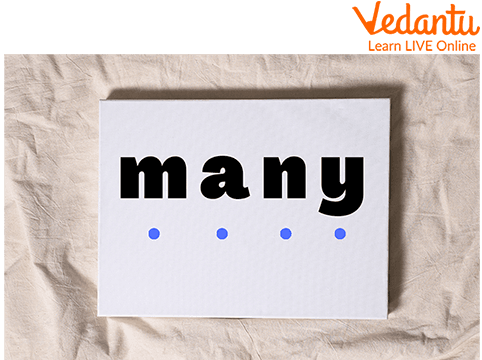
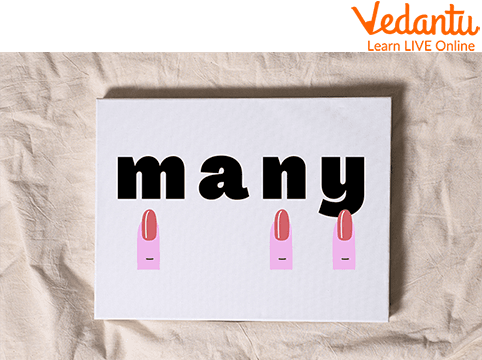
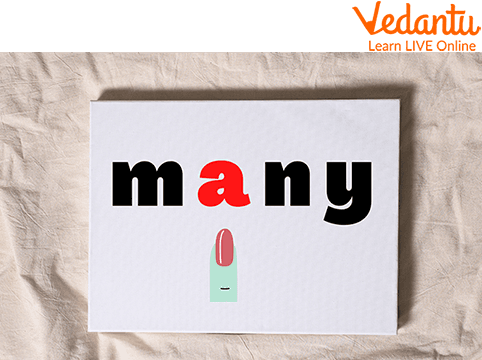
Some tricky words have one part that follows phonics rules and one part that does not.
- Regular part: Sounds normal.
- Irregular part: Sounds different from what we expect.
Common Tricky Words List
How to Read Tricky Words
- Look at the whole word.
- Find the tricky part.
- Say the word clearly.
- Write it and check again.
Tricky Words Practice Sentences
- The dog was big.
- She said hello.
- You are my friend.
- They have one cat.
Read the sentences slowly. Try to spot the tricky words quickly without sounding them out.
Fun Phonics Tips for Tricky Words
Fun Activity for Kids
Tricky Word Hunt:
- Open a storybook.
- Find and underline tricky words.
- Count how many you can spot.
- Read the sentence aloud.
Amazing Facts About Tricky Words
FAQs on Tricky Words in Phonics Made Easy for Young Readers
1. What are tricky words in phonics?
Tricky words are words that cannot be sounded out using normal phonics rules and must be learned by sight.
- Tricky words do not follow regular sound patterns.
- They are also called sight words or high-frequency words.
- Examples include the, said, was, you, and are.
- Children learn them by recognizing the whole word instead of blending sounds.
2. Why are tricky words important for early reading?
Tricky words are important because they appear often in books and help children read smoothly.
- Many common words in stories are tricky words.
- Knowing them helps improve reading fluency.
- Children can understand sentences faster without stopping to decode.
- They build confidence in early readers.
3. What are some examples of common tricky words for kids?
Common tricky words are simple words that don’t follow usual phonics rules.
- the
- to
- no
- go
- into
- she
- he
- my
These high-frequency words appear often in beginner reading books.
4. How can children learn and remember tricky words easily?
Children learn tricky words best by seeing and using them regularly.
- Practice with flashcards.
- Write the word in bright colors.
- Spot the tricky part (the part that breaks phonics rules).
- Use the word in short sentences.
- Play fun sight word games.
5. How are tricky words different from regular phonics words?
Tricky words cannot always be blended using letter sounds, unlike regular phonics words.
- Regular words like cat or dog follow sound rules.
- Tricky words may have unusual spellings.
- Some letters in tricky words make unexpected sounds.
- They are learned by memory instead of decoding.
6. How do you teach tricky words in phonics lessons?
Tricky words are taught by reading, spelling, and recognizing them quickly by sight.
- Introduce one or two new tricky words at a time.
- Highlight the tricky letter or sound.
- Read the word in simple sentences.
- Practice spelling it aloud.
- Review daily for better retention.
