




What Is the Difference Between Crop and Plant with Examples
We all have seen fields of wheat or rice and the plants of fruits and vegetables. Crops and plants are both grown for the food requirement of humans and animals. They both provide us with various essential products. However, do you know the difference between a crop and a plant? How can you differentiate a crop from a plant? All crops can be considered as plants but all plants cannot be considered as crops.
In this article, we are going to learn about crops, plants, the difference between crop and plant, examples of crops and plants, the concept of agriculture and horticulture and their difference, food crops and difference between agriculture and farming.
What is a Plant?
The photosynthetic eukaryotes, which belong to the kingdom plantae, are called plants. Plants prepare their food from sunlight and water by chloroplasts and are mostly multicellular organisms.
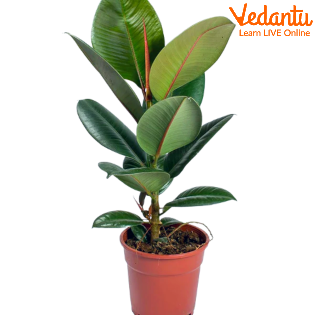
Plant
The examples of plants include:
Bamboo
Cactus
Orchids
Snake plants
Tomato, etc.
What is a Crop?
The plants which are grown and harvested commercially for fulfilling the consumption needs of humans are termed as crops.
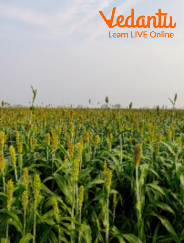
Crop
The crop examples include:
Wheat
Rice
Soyabean
Millets
Maize
Types of Crops
Crops can be classified into six categories:
Food Crops
Feed Crops
Fibre Crops
Oil Crops
Ornamental Crops
Industrial Crops
Let’s define food crops. Crops that are grown for human consumption like wheat, rice, barley, etc. are termed as food crops. On the basis of the month, food crops are divided into 3 classes – Kharif crop, rabi crop and zaid crop.
Difference Between Crop and Plant
The difference between crops and plants on the basis of their definition, existence and domestication are as follows:
Difference Between Crop and Plant
All crops are plants, however, not all plants are crops. Plants are found naturally within the environment, whereas crops are grown economically. The terms scientific agriculture and horticulture are associated with crops and plants in the following manner:
Agronomy is the application of plant and soil science to crop production. Horticulture is the science and art of cultivating fruits, vegetables, flowers, and decorative plants.
What is Agriculture?
Cultivation is crucial to the survival of human beings. We have relied on cultivation for food and livelihood since the stone age. Agriculture is a variety of cultivation that's used to manufacture food and therefore the products associated with it. Agriculture includes numerous activities in its ambit, like farming, irrigation, cattle farming, sustainable agriculture, animal husbandry, etc.
The process of cultivating soil by growing crops and livestock is termed as agriculture. It doesn't mean growing crops only; however, the raising of animals and preparation of animal products is additionally considered as agriculture.
What is Horticulture?
According to the horticulture definition, “The science and art of growing, producing, marketing, and utilising high-value, intensively grown food, and decorative plants in a sustainable manner is termed as Horticulture”.
Horticulture too is basically cultivation, but not of identical degree as agriculture. Horticulture is more inclined towards the domestic side of cultivation. An activity like growing plants, vegetables, fruits, etc. in a domestic environment is horticulture. Horticulture may additionally entail gardening, growing a nursery of plants, growing roots and shoots, etc. Since horticulture is practised on a small scale, it's comparably more cost-effective than agriculture.
Difference Between Agriculture and Horticulture
Comparison between agriculture and horticulture is shown in the following table:
Agriculture and Farming Difference
Agriculture is characterised as field development; cultivating and farming are two vital components of agribusiness. Agriculture incorporates a large scope of exercises, including creation, examination, and advancement, whereas farming is the most typical approach of completing rural activities.
Farming may be a more individual effort on including a plot of land with structures on it (for example, fencing, water offices, then on) that is used to cultivate crops and additionally raise animals for human use.
Important Question
Q1. What are the three types of crops?
Ans. The types of crops are:
Kharif Crop: The word “Kharif” is Arabic used for autumn since the season coincides with the start of autumn or winter. As cultivation of these crops happens within the monsoon season, another name for Kharif crop is monsoon crop.
Rabi Crop: Rabi crops are called winter crops. They're full-grown in October or November.
Zaid Crop: Vital crops produced during 'zaid' are watermelon, muskmelon, cucumber, vegetables and fodder crops.
Conclusion
The only living species that may manufacture their own food are plants, and this is often primarily because of the presence of specialised structures within the plant cell. The plants that are full-grown and harvested commercially for fulfilling the consumption needs of humans are termed as crops. The method of cultivating soil by growing crops and livestock is termed as agriculture. Agriculture and horticulture are associated with plants and crops and have similarities as well as some differences also.


FAQs on Crop and Plant Concepts in Biology
1. What is a crop in biology?
A crop is a plant that is cultivated and managed by humans on a large scale for food, fiber, fuel, or other economic purposes. Crops are grown in agricultural fields and are selected for desirable traits such as high yield and disease resistance.
- Examples include wheat, rice, maize, and cotton.
- Crops differ from wild plants because they are intentionally cultivated.
- They are an essential part of agriculture and food production systems.
2. What is the difference between a plant and a crop?
A plant is any member of the kingdom Plantae, while a crop is a plant that is specifically grown and harvested for human use. All crops are plants, but not all plants are crops.
- Plants include trees, grasses, shrubs, and algae.
- Crops are cultivated for food, fodder, fiber, or industrial use.
- Example: Grass growing naturally is a plant, but rice grown in fields is a crop.
3. What are the main types of crops?
The main types of crops are classified based on their use, such as food, fiber, and cash crops. Crop classification helps in agricultural planning and management.
- Food crops: Rice, wheat, maize.
- Cash crops: Cotton, sugarcane, tobacco.
- Plantation crops: Tea, coffee, rubber.
- Horticultural crops: Fruits and vegetables.
4. What is crop rotation and why is it important?
Crop rotation is the practice of growing different types of crops in the same field in successive seasons to maintain soil fertility and reduce pests. It is an important sustainable agriculture technique.
- Prevents depletion of specific soil nutrients.
- Reduces buildup of crop-specific pests and diseases.
- Improves soil structure and organic matter content.
- Example: Growing legumes after cereals to replenish nitrogen.
5. What are the basic stages of crop production?
The basic stages of crop production include preparation of soil, sowing, crop maintenance, and harvesting. These steps ensure healthy plant growth and maximum yield.
- Preparation of soil: Ploughing and leveling.
- Sowing: Planting seeds at proper depth and spacing.
- Manuring and irrigation: Providing nutrients and water.
- Harvesting: Cutting and collecting mature crops.
6. What is irrigation in crop plants?
Irrigation is the artificial supply of water to crop plants to support their growth when rainfall is insufficient. It ensures proper germination, nutrient absorption, and photosynthesis.
- Methods include sprinkler irrigation and drip irrigation.
- Prevents water stress in crops.
- Improves agricultural productivity.
7. What are fertilizers and why are they used in crops?
Fertilizers are chemical or natural substances added to soil to supply essential nutrients required for plant growth. They help increase crop yield and soil fertility.
- Contain nutrients like nitrogen (N), phosphorus (P), and potassium (K).
- Promote healthy root and shoot development.
- Can be organic (manure) or inorganic (chemical fertilizers).
8. What is photosynthesis in crop plants?
Photosynthesis is the process by which crop plants use sunlight, carbon dioxide, and water to produce food in the form of glucose. It occurs in the chloroplasts of green plant cells.
- Requires sunlight and the pigment chlorophyll.
- Produces oxygen as a by-product.
- Forms the basis of crop yield and biomass production.
9. What are weeds and how do they affect crops?
Weeds are unwanted plants that grow along with crops and compete for nutrients, water, light, and space. They reduce crop yield and quality.
- Examples include Parthenium and wild grasses.
- Compete with crops for essential resources.
- Controlled by manual removal or weedicides.
10. What is the importance of crop plants in the ecosystem?
Crop plants are important because they provide food, maintain ecological balance, and support the global economy. They form a major part of agricultural ecosystems.
- Serve as the primary source of human and animal nutrition.
- Contribute to the carbon cycle through photosynthesis.
- Support biodiversity by providing habitat and food for organisms.



