How Plants and Animals Depend on Each Other for Survival and Ecological Balance
The interdependence of plants and animals is a fundamental biological concept, describing how these two groups rely on each other for survival. Both plants and animals exchange gases, provide food, and recycle nutrients, forming the backbone of every ecosystem. Understanding this mutual dependence is essential for students to appreciate the balance of nature and the importance of biodiversity conservation.
What is the Interdependence of Plants and Animals?
Interdependence of plants and animals refers to the various ways in which plants and animals support each other's life processes. It includes basic needs such as food, shelter, oxygen, carbon dioxide, and involves more complex interactions like pollination, seed dispersal, and nutrient recycling. Without this interrelationship, life as we know it would not be sustainable on Earth.
Why Do Plants and Animals Depend on Each Other?
Plants and animals are connected through a variety of cycles and relationships. Plants act as primary producers, turning sunlight into food using photosynthesis, while animals act as consumers. In turn, animals contribute to plant life by aiding in pollination, dispersal of seeds, and enriching soil nutrients through decomposition. This intricate web keeps natural systems balanced.
Key Ways Plants and Animals are Interdependent
Understanding the different forms of interdependence helps explain how ecosystems function. Below are the most significant connections between plants and animals:
- Food Source: Plants provide food (leaves, fruits, seeds) for herbivores. Carnivores obtain energy by feeding on herbivores, making plants the base of the food chain.
- Oxygen and Carbon Dioxide Exchange: Plants release oxygen during photosynthesis, which animals use for respiration. Animals return carbon dioxide, essential for plant photosynthesis.
- Pollination: Animals like bees, butterflies, birds, and bats transfer pollen between flowers, enabling plants to reproduce.
- Seed Dispersal: Many animals help spread plant seeds, either by eating fruits and excreting seeds or by carrying them on their fur.
- Shelter and Protection: Plants provide homes and hiding places for animals; for example, birds nest in trees.
- Nutrient Cycling: Decomposing animal bodies return nutrients to the soil, which plants absorb to grow.
These connections form the basis for related science worksheets, diagrams, and charts showing interdependence in class 5 and class 4 curricula.
Interdependence in Different Ecosystems
Ecosystems are communities where both plants and animals coexist. The nature of their interdependence changes based on the ecosystem type:
- Terrestrial Ecosystems: Forests and grasslands are classic examples. Plants absorb nutrients from decomposing animal bodies, and animals—herbivores, carnivores, and insects—rely on plants for food and oxygen. Monkeys and birds help in seed dispersal. Insects like bees and butterflies pollinate flowering plants. For more on forests, visit terrestrial ecosystem and forest.
- Aquatic Ecosystems: In ponds, lakes, and oceans, algae and aquatic plants produce oxygen. Fishes and aquatic animals use this oxygen and return carbon dioxide, allowing plants to continue photosynthesis.
These reciprocal roles maintain ecological equilibrium across habitats and are often illustrated using diagrams showing the interdependence of plants and animals.
The Role of the Food Chain in Interdependence
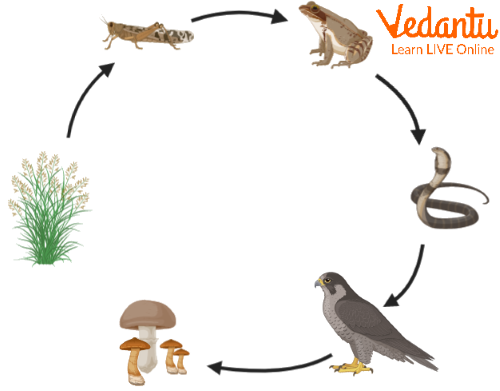
Food chains clearly demonstrate how the survival of each organism is linked to others. Below is a simple food chain cycle seen in many science worksheets for class 5 students:
- Plants produce food via photosynthesis using sunlight, water, and carbon dioxide.
- Herbivorous animals feed on plants and use the energy for survival and growth.
- Carnivorous animals consume herbivores to obtain energy.
- Decomposers (microorganisms, insects) break down dead plants and animals, returning nutrients to the soil.
This process repeats in a cycle, maintaining energy flow and nutrient balance, as detailed on our food chain and biogeochemical cycle resources.
Examples of Interdependence in Daily Life
Real-world examples make the concept clearer for students, whether in class 5 or higher grades:
- Bees and Flowers: Bees collect nectar and unintentionally transfer pollen, helping flowers form seeds and fruits.
- Squirrels and Oak Trees: Squirrels bury acorns for later but forget some, allowing new oak trees to sprout.
- Fishes and Algae: In ponds, fish depend on algae for oxygen, while algae get carbon dioxide from fish.
To see these relationships visually, check out interdependence of plants and animals diagrams or draw your own using examples around you.
Microorganisms: The Third Pillar of Interdependence
Microorganisms like bacteria and earthworms are crucial in soil formation and nutrient cycling. They decompose organic matter from plants and animals, releasing minerals that plants need. This contribution makes them essential for the overall cycle. Creating a chart showing interdependence of plants, animals, and microorganisms helps visualize this three-way relationship.
Maintaining the Gas Balance in the Biosphere
The exchange of gases between plants and animals is vital for life. Plants release more oxygen in photosynthesis than they consume during respiration. Animals rely on this oxygen, and the carbon dioxide they exhale is essential for plant growth. This cyclical exchange supports the balance of oxygen and carbon dioxide in the biosphere. You can represent this as a cycle in a worksheet or drawing.
For deeper learning, explore oxygen cycle and carbon cycle on Vedantu.
Key Features of Plant and Animal Interdependence
- Plants and animals cannot exist independently; they rely on each other for vital needs.
- Animals need plants for food, shelter, oxygen, and protection from predators.
- Plants rely on animals for pollination, seed dispersal, and soil nutrient enrichment.
- Interdependence ensures the stability and sustainability of ecosystems.
Why is the Interdependence of Plants and Animals Important?
Without the interdependence of plants and animals, ecosystems would collapse. Removal of any one player—plants, animals, or microorganisms—would disrupt processes like photosynthesis, reproduction, and nutrient cycling. This would affect food production, air quality, and human health. Knowing this helps us appreciate the need for conservation and connecting biology to daily life and environment-oriented careers, including food science and biology research.
Practice Worksheets and Activities
For learners in class 5 and class 4, practicing with interdependence of plants and animals worksheets and worksheets on the food chain, along with drawing labelled diagrams, reinforces concepts visually. Making a poster or chart, or even completing MCQs about these cycles, is effective for revision. Find more diagrams in Vedantu's biology diagram section.
Related Topics and Further Reading
- Nutrition in Plants – Learn how plants make food and why it matters.
- Animal Kingdom – Discover diversity among animals and their adaptations.
- Conservation of Biodiversity – Understand why preserving species matters.
- Biosphere – Explore the global system where all interdependence occurs.
- Environmental Issues – How human activities impact nature’s balance.
- Acquired vs Inherited Traits – Notice how characteristics shift across generations.
If you’re interested in more advanced topics, Vedantu’s online courses can deepen your knowledge of biology and environmental sciences.
The interdependence of plants and animals is central to the health of natural and human-made environments. These mutual relationships enable ecosystems to thrive, influence agriculture, and sustain all life. Understanding and respecting these connections is vital for anyone aspiring to study science, protect the environment, or pursue related careers.


FAQs on Interdependence of Plants and Animals in Ecosystems
1. What is the interdependence of plants and animals?
The interdependence of plants and animals refers to the mutual relationship in which both groups depend on each other for survival in an ecosystem.
- Plants produce food (glucose) through photosynthesis, which animals consume directly or indirectly.
- Animals release carbon dioxide, which plants use for photosynthesis.
- Animals help in pollination and seed dispersal.
- Plants provide oxygen and habitat for animals.
2. How do plants and animals depend on each other for food?
Plants and animals depend on each other for food through the food chain and food web relationships.
- Plants (producers) make their own food using sunlight.
- Herbivores eat plants for energy.
- Carnivores eat herbivores.
- When plants and animals die, decomposers recycle nutrients back into the soil for plants.
3. Why is oxygen and carbon dioxide exchange important between plants and animals?
The exchange of oxygen and carbon dioxide is important because it supports both respiration and photosynthesis.
- Plants release oxygen during photosynthesis.
- Animals use oxygen for respiration to release energy.
- Animals exhale carbon dioxide as a waste product.
- Plants use carbon dioxide to produce food.
4. How do animals help in pollination?
Animals help in pollination by transferring pollen grains from the anther to the stigma of flowers.
- Bees, butterflies, birds, and bats visit flowers to collect nectar.
- Pollen sticks to their bodies.
- When they visit another flower, pollen is transferred.
5. What role do animals play in seed dispersal?
Animals play a key role in seed dispersal by carrying seeds away from the parent plant.
- Some animals eat fruits and excrete undigested seeds elsewhere.
- Some seeds stick to animal fur or feathers.
- Squirrels and birds store seeds in different locations.
6. What are producers, consumers, and decomposers in plant–animal interdependence?
Producers, consumers, and decomposers are the three main groups that maintain ecological interdependence.
- Producers (green plants) make food through photosynthesis.
- Consumers (animals) obtain energy by eating plants or other animals.
- Decomposers (bacteria and fungi) break down dead matter into nutrients.
7. How does photosynthesis support animal life?
Photosynthesis supports animal life by producing food and oxygen necessary for survival.
- Plants convert carbon dioxide and water into glucose using sunlight.
- Glucose forms the base of all food chains.
- Oxygen released during photosynthesis is used in animal respiration.
8. What is a food chain and how does it show interdependence?
A food chain is a linear sequence showing how energy passes from plants to animals.
- It begins with producers (plants).
- Followed by primary consumers (herbivores).
- Then secondary or tertiary consumers (carnivores).
9. Can you give examples of interdependence between plants and animals?
Common examples of plant–animal interdependence include pollination, food relationships, and shelter.
- Bees and flowering plants – bees get nectar, plants get pollinated.
- Cows and grass – cows eat grass for energy.
- Birds and trees – birds get shelter; trees benefit from seed dispersal.
10. What happens if the interdependence between plants and animals is disturbed?
If plant–animal interdependence is disturbed, it can disrupt the ecosystem balance and food web stability.
- Loss of plants reduces oxygen and food availability.
- Decline in pollinators affects crop production.
- Disrupted food chains may lead to species extinction.