




What Are Nutrients Types Functions and Importance
Nutrients are the compounds in our food that fuel life processes, repair tissues, and support growth. In simple terms, this article will clarify what is nutrients in science by providing a clear nutrient definition and examples that anyone—from primary school students to biology enthusiasts—can understand. We will explore types of nutrients, including macronutrients and micronutrients, and discuss what are the 5 main nutrients and their functions. Along the way, we will refer to reliable nutrients journal insights, share nutrient examples from everyday nutrients food, and even touch upon nutrients for plants.
What are Nutrients?
At its core, a nutrient is a substance that provides the essential ingredients for energy, growth, repair, and overall maintenance of the body. Nutrients are broadly classified into two categories:
Macronutrients: These include carbohydrates, proteins, and fats. They are required in large quantities because they supply energy for daily activities and metabolism. For instance, when we discuss nutrients definition and examples, carbohydrates (sugars, fibres, and starches) serve as a primary energy source.
Micronutrients: This group consists of vitamins and minerals such as calcium, iron, and vitamin C. Although needed in smaller amounts, they are crucial for processes like immune function and tissue repair. When considering what are the 5 main nutrients and their functions, micronutrients play a key role by ensuring that body systems function optimally.
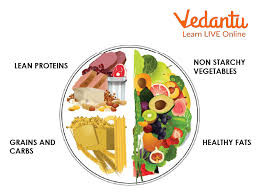
Essential Nutrients and Their Functions
Every living organism, including plants and humans, needs a balanced intake of various nutrients to thrive. Below is a detailed look at some essential nutrients:
1. Carbohydrates
Function: Provide energy for the body.
Examples: Whole grains, fruits, vegetables.
Key Point: Carbohydrates are a primary focus when discussing nutrients food because they offer a readily available energy source and are a major part of what is nutrients in science.
2. Proteins
Function: Build and repair tissues; composed of amino acids.
Examples: Nuts, lentils, chicken, fish.
Usage: Proteins are highlighted in our nutrients journal as they are crucial for muscle development and repair.
3. Fats
Function: Provide high energy density; important for cell structure.
Examples: Cooking oils, butter, avocado.
Note: Fats are indispensable for energy storage and hormonal functions.
4. Vitamins
Function: Assist in various bodily functions including immunity and bone health.
Examples: Vitamin C in citrus fruits, vitamin D from sunlight exposure.
Importance: As a significant part of nutrition, vitamins must be included in any discussion on nutrients examples.
5. Minerals
Function: Essential for building strong bones and regulating body functions.
Examples: Calcium (in milk, tofu), iron (in spinach), sodium (in fresh vegetables).
Observation: Minerals also feature prominently in our nutrients journal discussions.
Explore More: Proteins
Beyond Human Health: Nutrients for Plants
Just as humans require a balanced diet, plants also rely on specific nutrients to grow strong and healthy. Nutrients for plants include nitrogen, phosphorus, and potassium, which are often applied as fertilisers. These elements are crucial for photosynthesis, root development, and overall plant vitality. Understanding what is nutrients in science extends to agriculture, where proper nutrient management can lead to higher crop yields and sustainable farming practices.
Test Your Knowledge
True or False: Water is considered a nutrient.
What is the main function of dietary fiber?
A. Provide a concentrated source of energy
B. Aid in the regulation of blood sugar
C. Assist in digestion by promoting bowel regularity
D. Serve as a building block for muscles
Which vitamin is essential for the absorption of calcium in the body?
(Hint: Think about which vitamin you might get from sunlight exposure.)
Check your Answers
True
Explanation: Water is essential for life—it aids in digestion, absorption, and many other bodily functions, making it a crucial nutrient.
C. Assist in digestion by promoting bowel regularity
Vitamin D
Explanation: Vitamin D helps the body absorb calcium, which is necessary for strong bones and teeth.
Real-World Applications of Nutrients
Understanding nutrition and the types of nutrients has far-reaching implications:
Healthcare: A balanced intake of macronutrients and micronutrients helps prevent chronic diseases and supports recovery.
Sports & Fitness: Athletes rely on precise nutrients examples to optimise performance and muscle repair.
Education: Students benefit from learning nutrients definition and examples to understand how food affects overall well-being.
Agriculture: Farmers apply knowledge of nutrients for plants to improve crop quality and yield.
Everyday Life: Whether preparing a meal or planning a diet, knowing what are the 5 main nutrients and their functions helps in making informed food choices.
For further learning, explore Human Nutrition, Plant Biology, and Health & Wellness.
Fun Facts about Nutrients
Diverse Energy Sources: While carbohydrates are known for quick energy, fats store up to 9 calories per gram—more than twice that of proteins or carbohydrates.
Hidden Nutrients: Many fruits and vegetables offer surprising amounts of micronutrients like vitamins and minerals essential for boosting immunity.
Plant Nutrients: Just as we need a balanced diet, plants require a mix of macro and micronutrients to reach their full growth potential, which is why organic fertilisers are gaining popularity.


FAQs on Nutrients in Biology and Their Role in Living Organisms
1. What are nutrients in biology?
Nutrients are chemical substances in food that provide energy, support growth, repair tissues, and regulate body processes in living organisms. In biology, nutrients are essential for maintaining life and normal physiological functions. They are broadly classified into:
- Macronutrients – needed in large amounts (carbohydrates, proteins, fats)
- Micronutrients – needed in small amounts (vitamins and minerals)
- Water – essential for metabolic reactions and transport
2. What are the main types of nutrients?
The main types of nutrients are carbohydrates, proteins, fats, vitamins, minerals, and water. These are grouped as:
- Carbohydrates – primary energy source
- Proteins – body building and repair
- Lipids (fats) – long-term energy and insulation
- Vitamins – regulate metabolic processes
- Minerals – structural and functional roles
- Water – solvent and transport medium
3. What is the difference between macronutrients and micronutrients?
The key difference between macronutrients and micronutrients is the amount required by the body and their primary functions.
- Macronutrients are needed in large quantities and provide energy (carbohydrates, proteins, fats).
- Micronutrients are needed in small amounts and regulate body processes (vitamins and minerals).
4. What is the function of carbohydrates in the body?
The main function of carbohydrates is to provide immediate energy for cells. During digestion, carbohydrates are broken down into glucose, which is used in cellular respiration to produce ATP. Additional roles include:
- Energy storage as glycogen in liver and muscles
- Structural role in plants as cellulose
- Component of nucleic acids (ribose and deoxyribose)
5. Why are proteins important for living organisms?
Proteins are important because they build and repair tissues and perform most cellular functions. Proteins are made of amino acids and serve several roles:
- Forming structural components like muscle fibers
- Acting as enzymes to speed up biochemical reactions
- Functioning as hormones and antibodies
- Transporting substances (e.g., hemoglobin)
6. What are lipids and what do they do?
Lipids are organic molecules, including fats and oils, that store energy and form cell membranes. Their main functions include:
- Long-term energy storage
- Forming the phospholipid bilayer of cell membranes
- Providing insulation and protection to organs
- Producing certain hormones like steroid hormones
7. What is the role of vitamins and minerals?
Vitamins and minerals are micronutrients that regulate metabolic reactions and maintain normal body functions.
- Vitamins act as coenzymes or help enzymes function (e.g., Vitamin C in immunity).
- Minerals provide structural support and regulate processes (e.g., calcium in bones, iron in hemoglobin).
8. What is a balanced diet in terms of nutrients?
A balanced diet is a diet that provides all essential nutrients in the correct proportions to maintain health and growth. It includes:
- Energy-giving foods (carbohydrates and fats)
- Body-building foods (proteins)
- Protective foods (vitamins and minerals)
- Adequate water and dietary fiber
9. What happens if the body lacks essential nutrients?
A lack of essential nutrients leads to nutritional deficiency diseases and impaired body functions. Common effects include:
- Weak immunity and slow growth
- Fatigue due to iron deficiency (anemia)
- Weak bones from lack of calcium or Vitamin D
- Scurvy due to Vitamin C deficiency
10. How do plants obtain nutrients?
Plants obtain nutrients from the soil, water, and air to support growth and metabolism. They absorb:
- Mineral nutrients (like nitrogen, phosphorus, potassium) from the soil through roots
- Water through root hairs
- Carbon dioxide from the air for photosynthesis



