




What is Reproduction in Biology Definition Types and Process
Reproduction is one of the most fascinating processes in biology—it is the method by which life perpetuates itself. In simple terms, what is reproduction? It is the process through which organisms produce offspring that are genetically or biologically similar to the parent. This essential mechanism not only ensures the continuity of species but also fuels evolution through genetic variation, especially when considering the types of reproduction available in nature.
What is Reproduction?
At its core, reproduction is the means by which living organisms create new individuals. This process is critical for maintaining species survival and can be broadly divided into two primary categories: asexual reproduction and sexual reproduction. Both methods play significant roles in nature, and each has unique modes of reproduction that can be observed across different life forms.
Types of Reproduction
Asexual Reproduction
Asexual reproduction involves a single organism giving rise to a new individual without the fusion of gametes. This method produces offspring that are virtually identical to the parent, making it a quick but less genetically diverse process. Here are some common modes of reproduction under the asexual category:
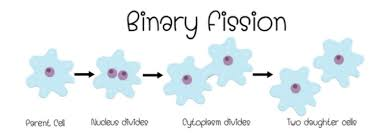
Binary Fission: In this process, a cell divides into two identical cells, each containing a copy of the parent’s DNA. Example of reproduction: Amoeba splitting into two.
Budding: A small outgrowth, or bud, forms on the parent and eventually detaches to live independently. Example of reproduction: Hydra.
Fragmentation: The parent organism breaks into multiple fragments, each capable of growing into a new organism. Example of reproduction: Planaria.
Sporogenesis: New organisms develop from spores, which are produced without fertilisation and can be dispersed by wind or animals.
While asexual reproduction is efficient and allows for rapid population increase, its major drawback is the limited genetic diversity, which can reduce adaptability in changing environments.
Sexual Reproduction
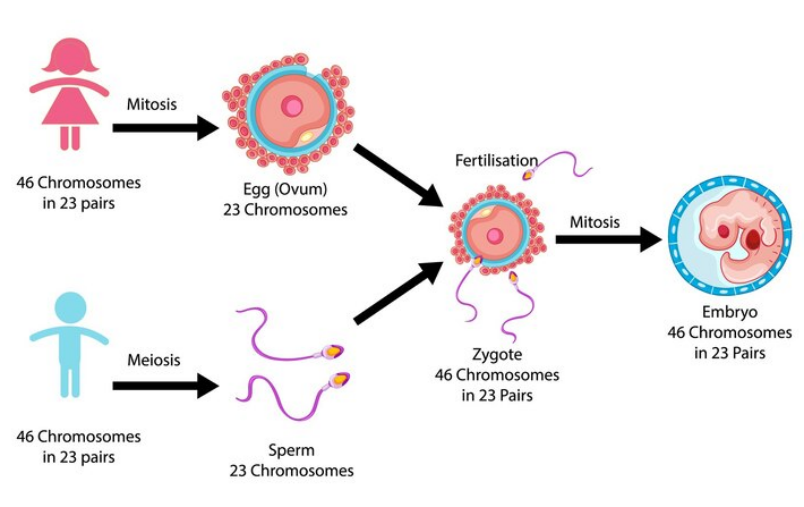
Sexual reproduction requires the involvement of two distinct gametes—male and female—which combine to produce offspring with a unique genetic makeup. This method is more complex and slower than asexual reproduction, but it introduces genetic diversity, crucial for adaptation and evolution. In this context, what is reproduction? It is a dynamic process that not only ensures species survival but also fosters variation and resilience among populations.
In Plants
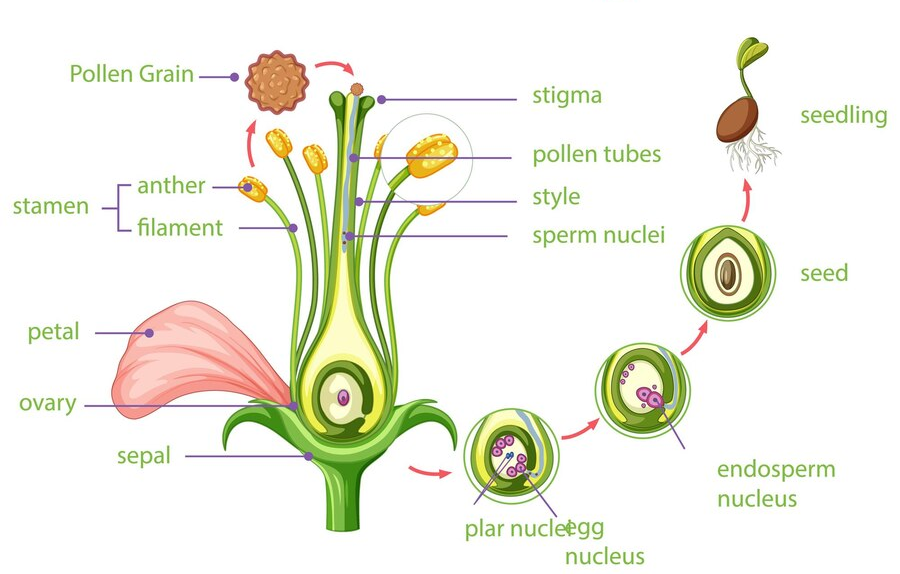
Plants exhibit both asexual and sexual reproduction. Vegetative reproduction—a form of asexual reproduction—occurs when plant parts such as roots, tubers, or stems develop into new individuals. Sexual reproduction in plants happens through pollination, where pollen from the male part (anther) is transferred to the female part (stigma). Additionally, some plants undergo apomixis, producing seeds without fertilisation.
In Animals
Animals primarily reproduce sexually, though a few species are capable of asexual reproduction through methods like budding or fragmentation. In sexual reproduction among animals, fertilisation can occur either externally—where gametes meet outside the body—or internally, with fertilisation taking place inside the female’s body. Each mode of reproduction contributes to the diversity and adaptability of animal species.
The Genetic Impact of Reproduction
One fascinating aspect of sexual reproduction is the phenomenon of genetic recombination. During the formation of gametes, DNA strands mix and match, creating novel genetic combinations. This process is crucial for evolution and natural selection, allowing species to adapt to new challenges such as climate change and emerging diseases.
Environmental Influences on Reproduction
Environmental conditions play a pivotal role in determining the modes of reproduction an organism might adopt. For instance, in harsh or unstable environments, asexual reproduction may be favoured due to its speed and efficiency, despite its lower genetic variability. Conversely, in stable environments, sexual reproduction might be more prevalent to maximise adaptability and long-term survival.
Real-World Applications
Understanding what is reproduction is not just an academic exercise—it has practical applications in several fields:
Agriculture: Techniques such as grafting and vegetative propagation are used to produce consistent, high-yield crops.
Medicine: Research into cellular reproduction informs cancer studies and regenerative medicine.
Conservation Biology: Knowledge of reproductive strategies helps in breeding programmes for endangered species, ensuring genetic diversity and population recovery.
Biotechnology: Reproduction methods are harnessed in genetic engineering to develop organisms with desirable traits.
Fun Facts about Reproduction
Ancient Life: Some of the earliest forms of life on Earth reproduced asexually, paving the way for the diverse life forms we see today.
Size Doesn’t Matter: Despite their simplicity, organisms like bacteria can reproduce rapidly through binary fission, leading to exponential population growth.
The Power of Diversity: Sexual reproduction is nature’s way of ensuring species have a robust genetic toolkit, which is why biodiversity is key to the resilience of ecosystems.


FAQs on Reproduction in Biology Complete Guide
1. What is reproduction in biology?
Reproduction is the biological process by which living organisms produce new individuals of the same species. It ensures the continuity of life and transfer of genetic information from one generation to the next.
- It involves the formation of offspring.
- It passes genetic material (DNA) from parents to offspring.
- It can occur through asexual reproduction or sexual reproduction.
2. What are the types of reproduction?
The two main types of reproduction are asexual reproduction and sexual reproduction. These differ in the number of parents involved and the genetic variation produced.
- Asexual reproduction: Involves one parent and produces genetically identical offspring (clones).
- Sexual reproduction: Involves two parents and produces genetically varied offspring through fusion of gametes.
3. What is asexual reproduction?
Asexual reproduction is a type of reproduction in which a single parent produces offspring genetically identical to itself. It does not involve the formation or fusion of gametes.
- Common in bacteria, protists, and some plants.
- Methods include binary fission, budding, fragmentation, and spore formation.
- It allows rapid population growth.
4. What is sexual reproduction?
Sexual reproduction is a process in which two parents produce offspring through the fusion of male and female gametes. This results in genetic variation among offspring.
- Involves formation of gametes by meiosis.
- Fusion of gametes forms a zygote.
- Common in humans, animals, and flowering plants.
5. What is the difference between sexual and asexual reproduction?
The main difference between sexual and asexual reproduction is that sexual reproduction involves two parents and genetic variation, while asexual reproduction involves one parent and produces identical offspring.
- Number of parents: One (asexual) vs Two (sexual).
- Genetic variation: Low or none (asexual) vs High (sexual).
- Cell division: Mitosis (asexual) vs Meiosis and fertilization (sexual).
6. What is fertilization in reproduction?
Fertilization is the fusion of male and female gametes to form a zygote. It marks the beginning of a new organism in sexual reproduction.
- Male gamete: Sperm.
- Female gamete: Ovum (egg).
- Can occur internally (e.g., humans) or externally (e.g., frogs).
7. What is the role of meiosis in reproduction?
Meiosis is a specialized type of cell division that produces haploid gametes for sexual reproduction. It reduces the chromosome number by half and increases genetic variation.
- Occurs in reproductive organs.
- Produces four haploid cells.
- Includes processes like crossing over and independent assortment.
8. What are gametes in reproduction?
Gametes are specialized reproductive cells that carry half the normal number of chromosomes. They fuse during fertilization to form a diploid zygote.
- Male gamete: Sperm cell.
- Female gamete: Egg cell (ovum).
- They are formed through meiosis.
9. Why is reproduction important for living organisms?
Reproduction is important because it ensures the survival and continuity of a species. Without reproduction, species would eventually become extinct.
- Maintains population size.
- Transfers hereditary traits to offspring.
- Introduces genetic variation through sexual reproduction.
10. What are some examples of asexual reproduction in organisms?
Examples of asexual reproduction include binary fission in bacteria, budding in yeast, and spore formation in fungi. These methods allow organisms to reproduce quickly without a mate.
- Binary fission: Seen in bacteria like Escherichia coli.
- Budding: Seen in yeast and Hydra.
- Spore formation: Seen in fungi such as Rhizopus.



