



Understand Air Pollution, Sources, Types, Effects, and AQI in Simple Terms
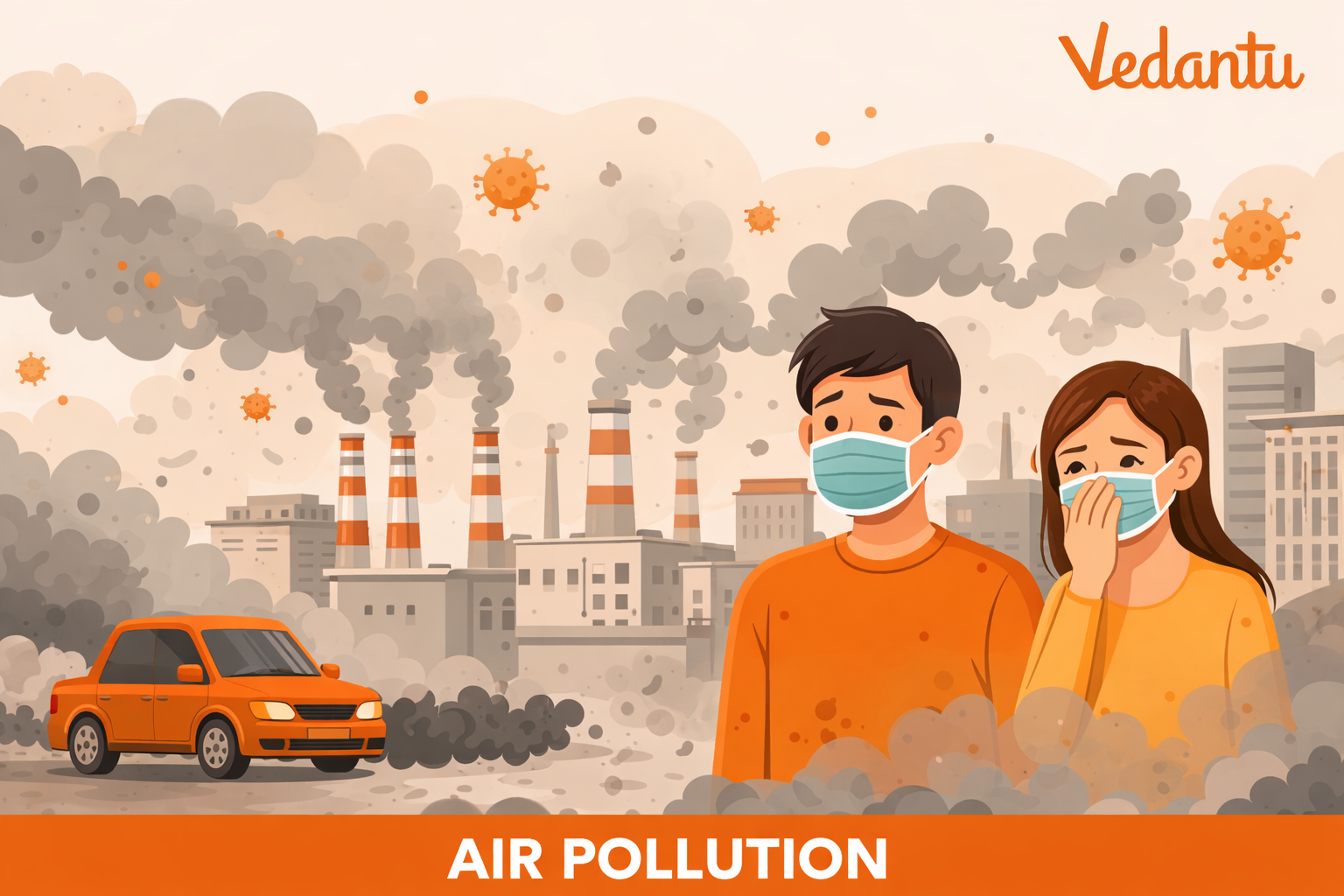
Air pollution refers to undesirable changes in the physical, chemical, and biological characteristics of air that harm living organisms, damage materials, and disturb the natural environment. When harmful gases, particulate matter, or toxic substances accumulate in the atmosphere beyond safe limits, the air becomes polluted and unsafe for humans, plants, animals, and ecosystems.
Air pollution is one of the most serious environmental concerns today. It affects human health, reduces agricultural productivity, damages natural habitats, and contributes to climate change. The problem is particularly severe in densely populated urban areas and industrial regions where emissions from vehicles, industries, and household activities accumulate rapidly.
Types of Air Pollution
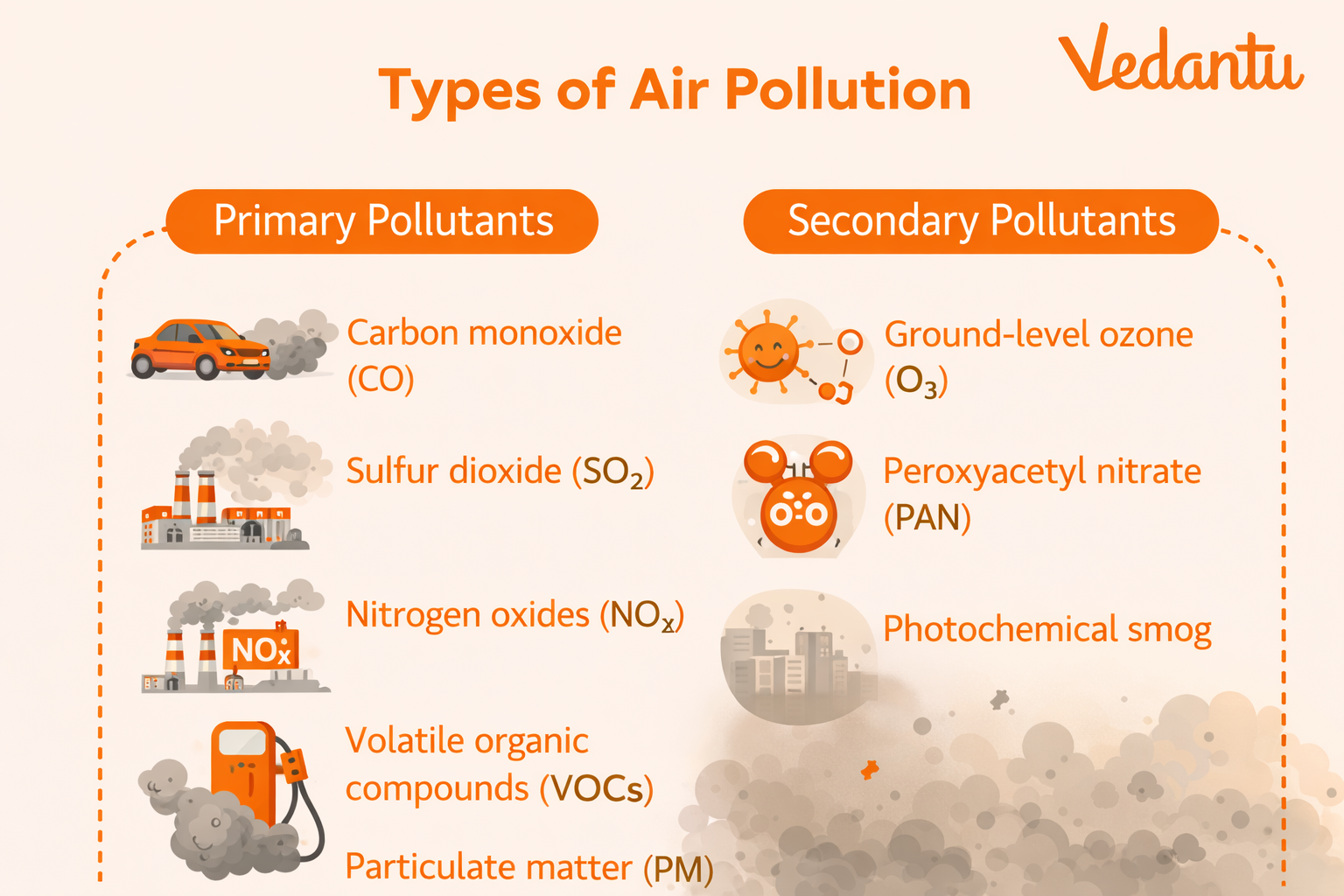
Air pollution is classified based on how pollutants are formed. The types of air pollution include primary pollutants and secondary pollutants.
Primary Pollutants
Primary pollutants are substances released directly into the atmosphere from sources such as vehicles, industries, and natural events. These pollutants enter the air in harmful concentrations and directly degrade air quality.
Examples of primary pollutants include:
Carbon monoxide (CO)
Sulfur dioxide (SO₂)
Nitrogen oxides (NOx)
Volatile organic compounds (VOCs)
Particulate matter (PM)
These pollutants affect respiratory health, reduce visibility, and contribute to environmental degradation.
Secondary Pollutants
Secondary pollutants are formed when primary pollutants react with sunlight, water vapour, or other atmospheric components. These reactions produce new harmful substances that contribute to air pollution.
Examples of secondary pollutants include:
Ground-level ozone (O₃)
Peroxyacetyl nitrate (PAN)
Photochemical smog
Secondary pollutants are commonly observed in urban areas with heavy traffic and industrial activity. They worsen air quality and increase health risks.
Causes of Air Pollution
The causes of air pollution can be broadly divided into human-made sources and natural sources. These activities release harmful gases, dust, and particulate matter into the atmosphere.
.png)
Combustion of Fossil Fuels
Burning coal, oil, petrol, and diesel for electricity generation, transport, and industrial operations releases large amounts of pollutants such as carbon dioxide, sulfur dioxide, nitrogen oxides, and particulate matter. These emissions are one of the primary causes of air pollution in cities.
Industrial Activities
Manufacturing processes in industries such as mining, refining, and chemical production release smoke, toxic gases, volatile organic compounds, and particulate matter. These emissions contribute significantly to atmospheric pollution.
Agricultural Activities
Agricultural practices also contribute to air pollution. Crop burning, livestock farming, and use of fertilizers release ammonia, methane, and other harmful gases into the atmosphere. These emissions affect both air quality and climate.
Construction Activities
Construction and demolition activities produce large quantities of dust and suspended particulate matter. Urban development and infrastructure projects increase pollution levels, especially in metropolitan areas.
Household Activities
Burning wood, charcoal, and coal for cooking and heating releases carbon monoxide and particulate matter. Indoor air pollution from household fuels is a major problem in many regions.
Natural Causes
Natural events such as volcanic eruptions, wildfires, dust storms, and pollen release also contribute to air pollution. Although these sources are less frequent, they can significantly impact air quality.
Effects of Air Pollution
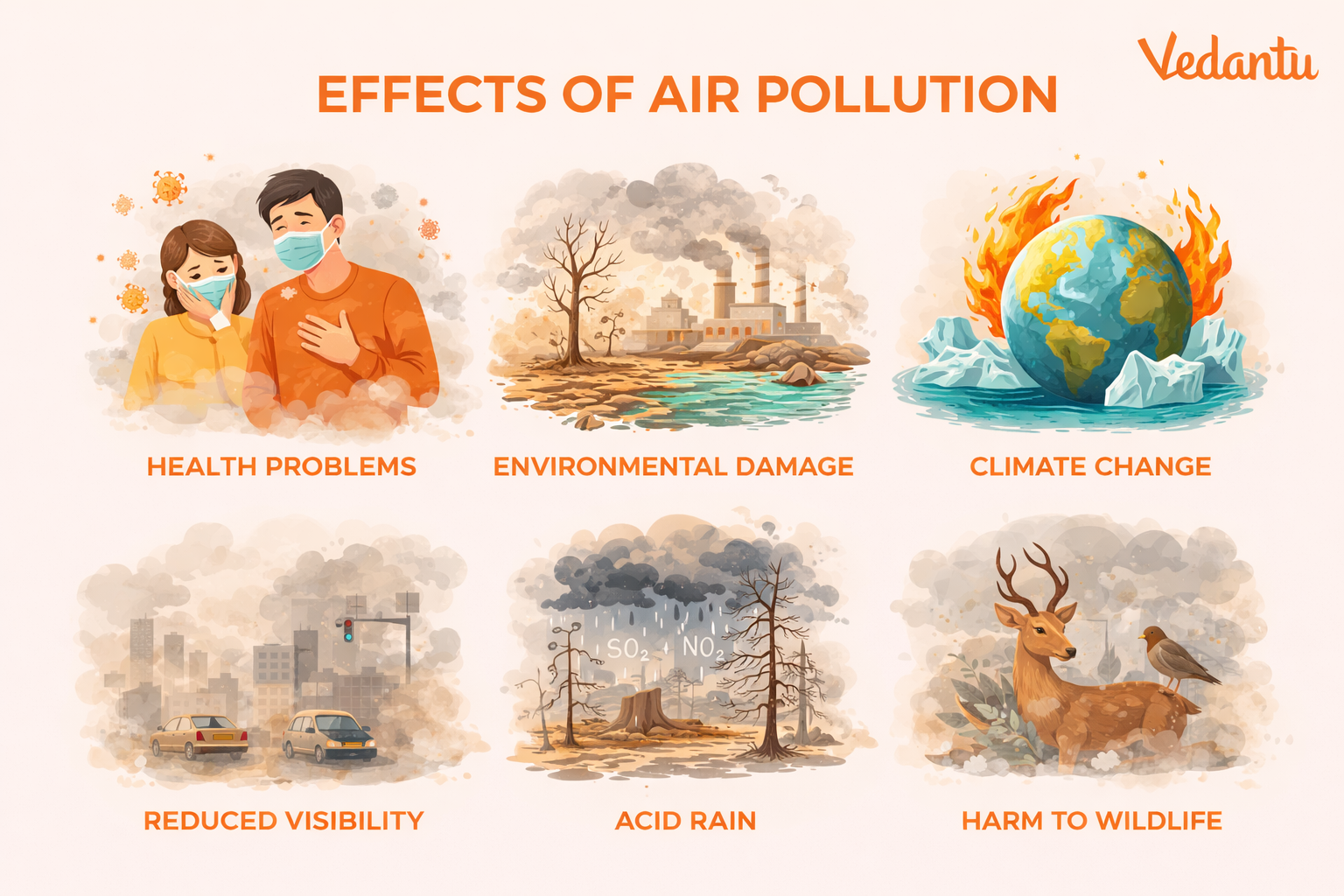
The effects of air pollution are widespread and influence human health, plants, animals, and the environment.
Effects on Human Health
Exposure to polluted air can lead to respiratory and cardiovascular diseases. Inhalation of pollutants such as particulate matter, nitrogen dioxide, sulfur dioxide, and ozone may cause asthma, bronchitis, lung cancer, and breathing difficulties. Long-term exposure also increases the risk of heart attacks and strokes.
Effects on Environment
Air pollution damages ecosystems and natural habitats. Pollutants react with water vapour to form acid rain, which harms forests, lakes, and soil quality. Air pollution also contributes to climate change by increasing greenhouse gases in the atmosphere.
Effects on Animals
Air pollution affects animals through contaminated food and water. Metallic pollutants such as lead and arsenic cause poisoning, while fluoride toxicity leads to bone deformities, weight loss, and digestive problems.
Effects on Plants
Air pollution adversely affects plants in multiple ways:
Sulfur dioxide causes chlorosis in crops like cotton and wheat
Carbon monoxide reduces leaf size and causes leaf drop
Fluorides damage leaf tissues
Nitrogen dioxide causes growth retardation
Ozone leads to leaf yellowing and shedding
Hydrocarbons inhibit plant maturation
These effects reduce agricultural productivity and damage vegetation.
How to Control Air Pollution?
Controlling air pollution requires technological improvements, government policies, and public participation.
Regulations and Policies
Governments can enforce emission standards and pollution control laws to limit harmful emissions from industries and vehicles. Strict regulations help reduce pollution levels.
Technological Solutions
Cleaner technologies such as catalytic converters in vehicles, scrubbers in industries, and smokestack filters reduce harmful emissions. These solutions help improve air quality.
Alternative Energy Sources
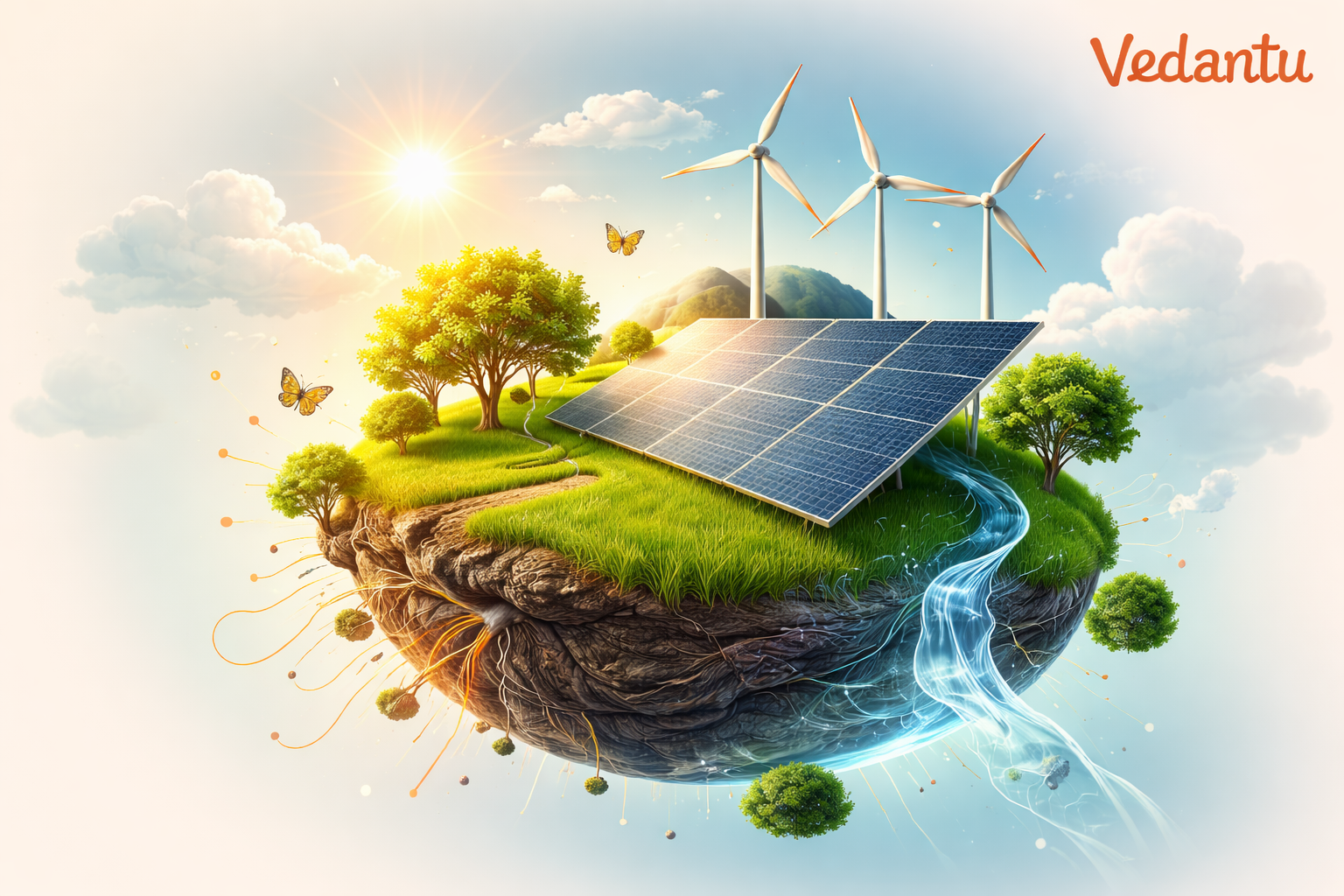
Using renewable energy such as solar, wind, and hydroelectric power reduces dependence on fossil fuels and decreases air pollution.
Improved Transportation
Encouraging public transport, carpooling, cycling, and electric vehicles reduces emissions from automobiles. Efficient transportation systems help control pollution.
Promoting Energy Efficiency
Reducing energy consumption in buildings and industries decreases fuel burning and lowers pollution levels. Energy-efficient technologies help conserve resources.
Public Awareness
Educating people about pollution sources and prevention methods encourages environmentally responsible behaviour. Awareness campaigns help reduce air pollution.
Air Quality Index (AQI)
The Air Quality Index (AQI) is a numerical scale used to measure air quality in a particular region. It indicates how clean or polluted the air is and the potential health risks.
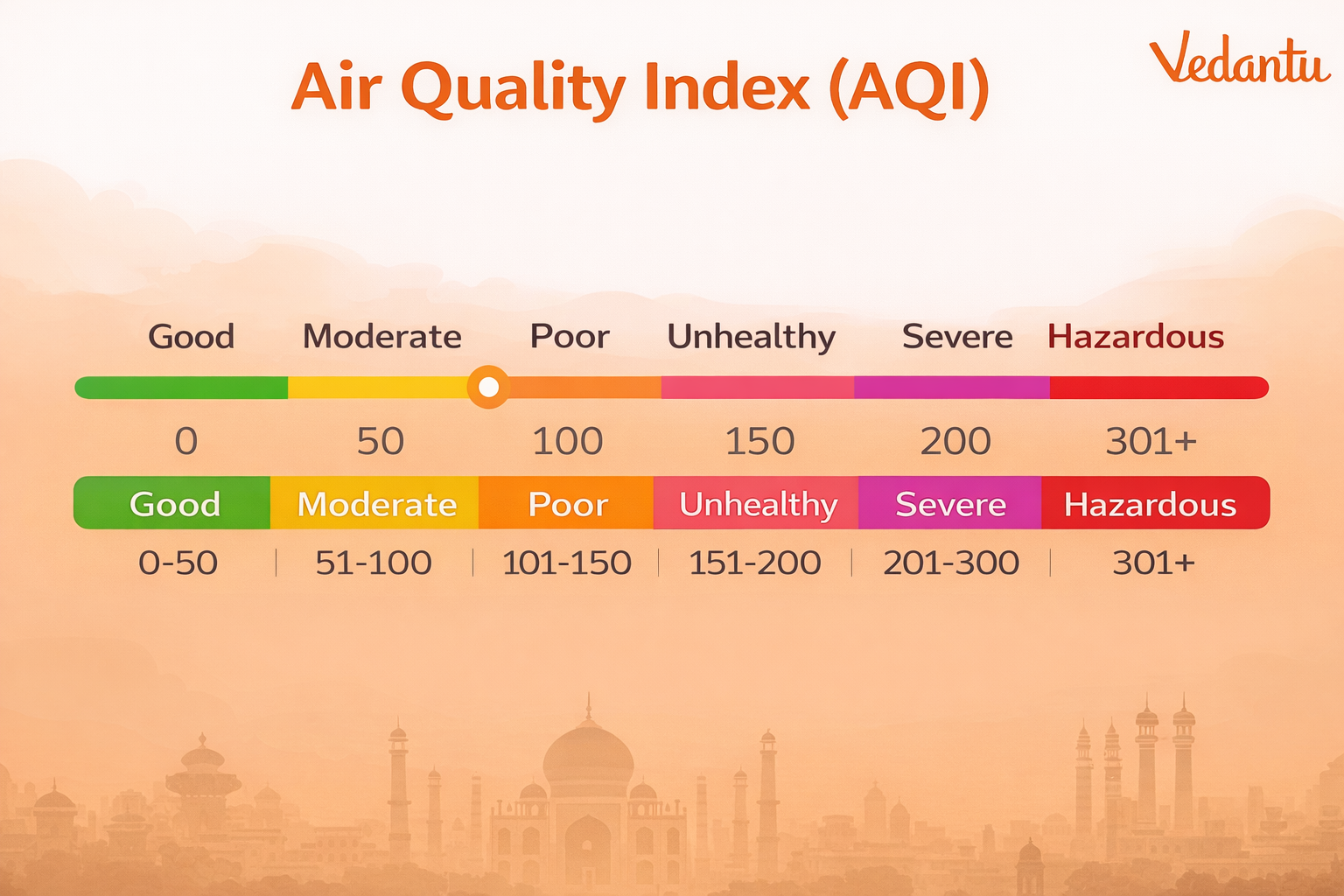
AQI measures common air pollutants such as:
Ground level ozone
Particulate matter (PM10 and PM2.5)
Carbon monoxide
Sulfur dioxide
Nitrogen dioxide
The AQI scale ranges from 0 to 500, where lower values indicate good air quality and higher values indicate hazardous conditions. Government agencies monitor AQI and provide real-time updates to the public.
Air Pollution and Climate Change
Air pollution and climate change are closely connected. Many sources that cause air pollution also release greenhouse gases. When fossil fuels such as coal, petrol, and diesel are burned, they release carbon dioxide, methane, and nitrous oxide. These gases trap heat in the atmosphere and lead to global warming.
As global temperatures rise, glaciers melt, sea levels increase, and extreme weather events such as heatwaves, floods, and droughts become more frequent. Therefore, controlling air pollution also helps reduce climate change and maintain ecological balance.
Air Pollution and Ecosystem Damage
Air pollution affects entire ecosystems rather than just individual organisms. Pollutants deposited on soil and water bodies alter nutrient cycles and reduce biodiversity. Acid rain damages forests and aquatic life, while ozone pollution reduces plant growth and crop yield.
Long-term exposure to polluted air can weaken plant resistance, making them more susceptible to pests and diseases. Wildlife is also affected due to contaminated food chains and habitat degradation. As a result, ecosystems become unstable and productivity declines.
Major Air Pollutants and Their Sources
Understanding major air pollutants helps identify sources and control emissions.
These pollutants collectively degrade air quality and cause health hazards.
Indoor Air Pollution
Air pollution is not limited to outdoor environments. Indoor air pollution also poses serious health risks. Burning solid fuels, tobacco smoke, household chemicals, and poor ventilation contribute to indoor pollution.
Indoor air pollution can cause:
headaches
eye irritation
breathing problems
asthma
long-term lung diseases
Improving ventilation, using clean fuels, and reducing chemical use can help control indoor pollution.
Urban Air Pollution
Urban areas experience higher pollution levels due to dense population and industrialization. Vehicles, construction activities, factories, and energy consumption contribute to polluted urban air.
Smog formation is common in cities where sunlight reacts with nitrogen oxides and hydrocarbons. This reduces visibility and causes respiratory discomfort. Urban air pollution is a major concern in metropolitan regions.
Rural Air Pollution
Rural areas also face air pollution from agricultural activities such as crop burning, pesticide spraying, and livestock emissions. Dust storms and biomass burning further contribute to rural air pollution.
Although pollution levels are generally lower than cities, rural air pollution still affects local ecosystems and human health.
Role of Individuals in Controlling Air Pollution
Individuals can play an important role in reducing air pollution by adopting eco-friendly practices.
Some effective actions include:
using public transport
planting trees
avoiding burning waste
conserving electricity
using renewable energy
reducing vehicle use
maintaining vehicles properly
These small steps collectively help improve air quality.
Importance of Trees in Reducing Air Pollution
Trees act as natural air filters. They absorb carbon dioxide and release oxygen through photosynthesis. Leaves trap dust particles and reduce particulate matter in the air.
Planting trees helps:
reduce carbon dioxide
lower temperature
improve air quality
reduce soil erosion
maintain ecological balance
Afforestation and urban greenery are effective strategies to control air pollution.
Air Pollution Control Technologies
Modern technologies help reduce emissions from industries and vehicles. Some important technologies include:
Electrostatic precipitators to remove particulate matter
Scrubbers to remove harmful gases
Catalytic converters in vehicles
Air filters in factories
Clean fuel technologies
These technologies reduce pollutants before they enter the atmosphere.
Global Efforts to Control Air Pollution
Many countries have introduced policies and agreements to control air pollution. These include:
emission standards for industries
vehicle pollution norms
promotion of electric vehicles
renewable energy programs
pollution monitoring systems
International cooperation is essential to reduce pollution at a global level.
Key Points to Remember
Air pollution occurs due to harmful substances in the atmosphere
It affects humans, plants, animals, and ecosystems
Primary and secondary pollutants are main types
Fossil fuel burning is a major cause
Air pollution contributes to climate change
AQI measures air quality
Renewable energy helps reduce pollution
Public awareness is essential to control air pollution
Importance of Understanding Air Pollution
Understanding air pollution helps in:
protecting human health
conserving ecosystems
improving agricultural productivity
controlling climate change
planning sustainable development
Air pollution remains a global environmental challenge, and controlling it requires coordinated efforts from individuals, industries, and governments.
FAQs on Air Pollution: Definition, Causes, Effects, Types, and Air Quality Index
1. What is air pollution control in biology for NEET?
Air pollution control in NEET biology refers to strategies and techniques to reduce or prevent the release of harmful substances into the atmosphere. Key approaches include:
- Using filters and electrostatic precipitators in industries
- Adopting clean fuels like CNG or LPG
- Planting trees to naturally purify the air
- Enforcing emission standards for vehicles and factories
2. How can air pollution be controlled?
Air pollution can be controlled by reducing emissions and adopting cleaner technologies. Primary methods include:
- Switching to clean energy sources (like solar and wind power)
- Installing air pollution control devices (such as scrubbers and bag filters)
- Maintaining vehicles for efficient combustion
- Promoting afforestation and urban green spaces
3. What are the biological methods of controlling air pollution?
Biological methods use living organisms for air pollution control. Key examples include:
- Phytoremediation – using plants to absorb or filter pollutants
- Microbial degradation – using microbes to break down harmful substances
- Green belts – creating dense plantation zones around industrial areas
4. Why is air pollution control important for human health?
Controlling air pollution is crucial for preventing diseases and protecting public health. Benefits include:
- Reducing respiratory disorders (like asthma)
- Lowering the risk of cardiovascular diseases
- Enhancing overall environmental quality
- Safeguarding children and elderly from chronic illness
5. What are some examples of air pollution control devices?
Air pollution control devices are used to remove pollutants from emissions. Common examples relevant for NEET include:
- Electrostatic precipitators
- Baghouse filters
- Cyclone separators
- Scrubbers
6. How does afforestation help in controlling air pollution?
Afforestation helps control air pollution by increasing the number of trees, which act as natural air filters. Trees:
- Absorb carbon dioxide (CO₂) and other pollutants
- Release oxygen (O₂) into the atmosphere
- Trap dust and particulate matter on their leaves
7. Explain the role of catalytic converters in air pollution control for NEET.
Catalytic converters are devices used in vehicles to reduce the emission of toxic gases. Their main functions are:
- Converting carbon monoxide to carbon dioxide
- Changing nitrogen oxides to nitrogen and oxygen
- Transforming hydrocarbons to less harmful substances
8. What is the role of electrostatic precipitators in air pollution control?
Electrostatic precipitators remove suspended particulate matter from industrial exhaust by using electric charges. The main steps are:
- Polluted air passes through charged plates
- Particles receive a negative charge
- They get attracted and stick to positively charged plates
9. What strategies can schools adopt to reduce air pollution?
Schools can help in air pollution control by implementing several strategies relevant for NEET and daily life:
- Planting trees inside and around the campus
- Encouraging cycling or walking among students
- Reducing the use of polluting vehicles
- Spreading awareness and conducting eco-friendly campaigns
10. What are the government policies for air pollution control in India relevant to NEET?
The Indian government has introduced several policies and acts for air pollution control, which are NEET syllabus relevant:
- Air (Prevention and Control of Pollution) Act, 1981
- National Green Tribunal (NGT)
- Bharat Stage emission standards (BS-IV, BS-VI)
