




What Is the Difference Between Homozygous and Heterozygous in Genetics
In genetics, every individual inherits two copies of each gene—one from each parent. These copies are called alleles. When both alleles are the same, the individual is said to be homozygous for that particular trait. Conversely, when the two alleles differ, the individual is heterozygous for that trait. Understanding homozygous vs heterozygous is crucial for interpreting patterns of inheritance, predicting traits, and recognising how certain characteristics are passed on through generations.
In this article, we will explore the difference between homozygous and heterozygous with examples, define key genetic terms such as homozygous dominant and homozygous recessive, and offer practical insights that go beyond standard textbook explanations.
Definition and Overview
Homozygous: Having two identical alleles for a particular gene (e.g., AA or aa).
A homozygous dominant genotype would be represented by two dominant alleles (AA).
A homozygous recessive genotype would be represented by two recessive alleles (aa).
Heterozygous: Having two different alleles for a particular gene (e.g., Aa). In this case, the phenotype—i.e., the outward expression—may be determined by which allele is dominant or how both alleles interact (complete dominance, codominance, or incomplete dominance).
If you encounter the term heterozygous in biology, it generally refers to organisms whose homologous chromosomes carry dissimilar alleles (e.g., one dominant and one recessive) for a given trait.
Difference Between Homozygous and Heterozygous with Examples
The difference between homozygous and heterozygous, with examples, can be most clearly understood by examining the alleles carried by an individual:
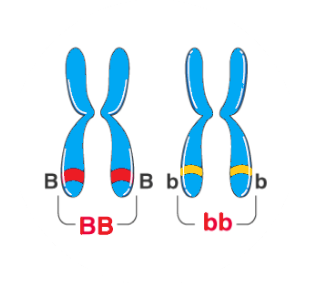
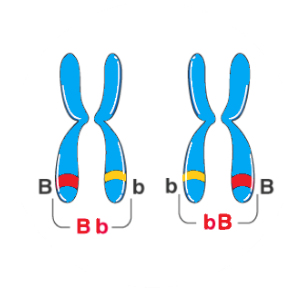
These homozygous and heterozygous examples illustrate how the alleles pair up differently and influence inherited traits.
Why is this Important?
Genetic combinations influence not only physical traits, such as hair colour or eye colour but also the inheritance of genetic disorders. By knowing whether an individual is homozygous or heterozygous for a particular gene, one can predict how traits might be passed on to the next generation. Therefore, homozygous vs heterozygous concepts form the foundation of classical genetics, aiding in everything from punnett square predictions to advanced genetic counselling.
Additional Insights: Dominant Vs Recessive
Homozygous Dominant (AA)
Typically, it displays the dominant trait because both alleles code for it.
For instance, if “A” represents a dominant allele for tall height in pea plants, the AA genotype will produce tall plants.
Homozygous Recessive (aa)
Expresses the recessive trait only if no dominant allele is present.
For example, if “a” represents a recessive allele for short height, plants with aa genotype will be short.
Heterozygous (Aa)
May display either the dominant trait (if there is complete dominance) or an intermediate/combined trait (in cases of incomplete dominance or codominance).
A classic example is the snapdragon flower colour. A red (RR) flower crossed with a white (rr) flower often produces pink (Rr) flowers due to incomplete dominance.
Unique Fact: Genetic Testing and Real-world Applications
Beyond theoretical genetics, doctors and researchers employ genetic testing to determine if individuals are homozygous dominant, homozygous recessive, or heterozygous for genes responsible for certain hereditary conditions. This helps in risk assessment, family planning, and understanding trait distributions in a population.
Short Quiz
Test your understanding of homozygous vs heterozygous concepts by answering these questions:
1. What does “heterozygous definition biology” generally imply about an organism’s alleles?
a) They are identical.
b) They are different.
c) They lack dominant alleles.
2. Which of the following is a homozygous example?
a) AA
b) Aa
c) AB
3. If an organism has the genotype Aa, how many types of gametes does it produce?
a) 1
b) 2
c) 3
4. Which genotype is guaranteed to express the dominant trait?
a) Homozygous dominant
b) Homozygous recessive
c) Heterozygous
Quiz Answers
(b) They are different.
(a) AA
(b) 2
(a) Homozygous dominant
Links to Related Topics
For a more in-depth exploration of genetics and biology, you may also be interested in reading about:
You might also like to brush up on your broader biology knowledge with these references:


FAQs on Difference Between Homozygous and Heterozygous Genotypes
1. What is the difference between homozygous and heterozygous?
The main difference between homozygous and heterozygous is that homozygous individuals have two identical alleles for a gene, while heterozygous individuals have two different alleles for the same gene.
- Homozygous: Genotype contains two identical alleles (AA or aa).
- Heterozygous: Genotype contains two different alleles (Aa).
- Homozygous conditions may produce either dominant or recessive traits.
- Heterozygous conditions usually express the dominant trait.
2. What does homozygous mean in genetics?
In genetics, homozygous means having two identical alleles for a particular gene on homologous chromosomes.
- Example: AA (homozygous dominant) or aa (homozygous recessive).
- Occurs when both parents pass the same allele for a trait.
- Can result in expression of either a dominant or recessive phenotype.
3. What does heterozygous mean?
The term heterozygous refers to having two different alleles for a specific gene.
- Example: Aa, where A is dominant and a is recessive.
- The dominant allele usually determines the observable trait.
- Heterozygous individuals are often called carriers of a recessive allele.
4. Can you give an example of homozygous and heterozygous genotypes?
An example of homozygous and heterozygous genotypes can be seen in pea plant height studied by Gregor Mendel.
- TT: Homozygous dominant (tall plant).
- tt: Homozygous recessive (short plant).
- Tt: Heterozygous (tall plant, dominant trait expressed).
5. How does homozygous or heterozygous affect phenotype?
Whether an organism is homozygous or heterozygous affects phenotype by determining which allele is expressed.
- Homozygous dominant (AA): Shows dominant trait.
- Homozygous recessive (aa): Shows recessive trait.
- Heterozygous (Aa): Usually shows dominant trait due to dominance.
6. What is a homozygous dominant and homozygous recessive?
A homozygous dominant genotype has two dominant alleles (AA), while a homozygous recessive genotype has two recessive alleles (aa).
- Homozygous dominant expresses the dominant phenotype.
- Homozygous recessive expresses the recessive phenotype.
- Both have identical allele pairs, but differ in trait expression.
7. Is heterozygous always dominant?
No, heterozygous is not always dominant, but in simple Mendelian inheritance the dominant allele usually masks the recessive allele.
- In complete dominance, the dominant trait appears.
- In incomplete dominance, an intermediate trait appears.
- In codominance, both alleles are equally expressed.
8. Why is heterozygosity important in genetics?
Heterozygosity is important because it increases genetic diversity and can improve survival in changing environments.
- Provides variation within a population.
- May offer resistance to certain diseases (e.g., sickle cell trait and malaria resistance).
- Reduces the risk of harmful recessive disorders being expressed.
9. How do you determine if a genotype is homozygous or heterozygous?
You determine if a genotype is homozygous or heterozygous by examining whether the two alleles are identical or different.
- If both alleles are the same (AA or aa), it is homozygous.
- If the alleles are different (Aa), it is heterozygous.
- This can be predicted using a Punnett square or confirmed through genetic testing.
10. Can a heterozygous individual pass on a recessive trait?
Yes, a heterozygous individual can pass on a recessive allele even if the recessive trait is not expressed.
- Heterozygous genotype (Aa) carries one recessive allele.
- There is a 50% chance of passing the recessive allele to offspring.
- If two heterozygous parents reproduce, the child may inherit two recessive alleles (aa).



