




What Are Flora and Fauna Definition Types and Key Differences
The term flora and fauna refers to all the plant and animal life found in a particular region or ecosystem. These two vital components of biodiversity interact and support the survival of living organisms on Earth. Understanding what is flora and fauna helps us appreciate our environment, conservation efforts, and the importance of harmony between plant and animal kingdoms.
Flora and Fauna Meaning and Definition
The meaning of flora and fauna lies in their fundamental roles in nature. Flora includes all plant life, from giant trees to tiny algae. Fauna refers to all animal life, ranging from mammals and birds to insects and aquatic creatures. Together, they form the dynamic living part of our environment and are essential for ecosystem balance.
Define Flora
Flora is the collective term for the entire plant life—trees, shrubs, herbs, grasses, ferns, mosses, and algae—found in a particular region or habitat. The word flora is often used to describe local or regional plant diversity. It supports various processes such as oxygen production, food supply, and climate regulation.

Features of Flora
- Found on land and in water, including forests, deserts, mountains, lakes, and rivers.
- Capable of photosynthesis, producing oxygen needed for life.
- Provides habitats, food, and protection for many animal species.
- Plays a critical role in climate regulation by absorbing carbon dioxide.
- Supports soil formation and prevents erosion with plant roots.
Importance of Flora
- Oxygen Generator: Plants produce oxygen necessary for human and animal life.
- Food Provider: Fruits, vegetables, and grains are essential food sources.
- Medicinal Value: Many plants are used in traditional and modern medicine (see medicinal plant resources).
- Soil Protection: Prevents erosion and maintains soil structure.
- Aesthetic and Cultural: Gardens, parks, and forests offer recreational and cultural value.
Flora in Indian Regions
India has a rich heritage of flora, ranging from the dense forests of Sikkim to the mangroves of Andaman and Nicobar Islands and the arid plants of the Rajasthan desert. The flora of Sikkim includes unique species like rhododendrons and orchids, while the flora of Ladakh adapts to cold, dry conditions. India's plant diversity is vital to global ecology and culture.
What is Fauna? Features, Importance, and Examples
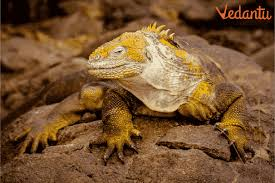
Fauna refers to all animals present in a specific region, from tiny insects to large mammals. Fauna displays a variety of adaptations, allowing animals to survive diverse climates and habitats. Understanding fauna and flora meaning helps in grasping the interconnectedness of plant and animal communities.
Features of Fauna
- Highly diverse, including mammals, reptiles, birds, fish, amphibians, insects, etc.
- Adapts to different environments—forest, desert, ocean, mountain, and grassland.
- Involves complex behaviors like hunting, migration, nesting, and social structures.
- Plays roles in pollination, seed dispersal, and maintaining ecological balance.
Importance of Fauna
- Maintains Biodiversity: Each species contributes to ecosystem health.
- Controls Populations: Predators regulate herbivore populations, preventing overgrazing.
- Pollination and Seed Dispersal: Birds, bees, and other animals help plants reproduce (see seed dispersal).
- Sources for Human Needs: Animals provide food, clothing, and aid scientific research.
- Cultural Significance: Many animals are part of traditions and folklore.
Fauna in Indian Ecosystems
India's fauna is incredibly diverse, ranging from tigers in the Sundarbans, elephants in Kerala, migratory birds in Bharatpur, to marine life in the Andaman and Nicobar Islands. Regional fauna like the red panda in Sikkim or wild yak in Ladakh are unique to India's varied climates and landscapes. Conservation of Indian fauna is crucial for maintaining its ecological balance.
Difference Between Flora and Fauna
| Aspect | Flora | Fauna |
|---|---|---|
| Definition | Plant life in a region | Animal life in a region |
| Examples | Trees, shrubs, grasses, mosses | Lions, birds, insects, reptiles |
| Nutrition | Autotrophic (make own food) | Heterotrophic (depend on others) |
| Mobility | Generally immobile | Mostly mobile |
| Reproduction | Asexual/Sexual | Primarily sexual |
| Role in Ecosystem | Primary producers | Consumers (herbivores, carnivores, omnivores) |
| Oxygen | Release during photosynthesis | Require for respiration |
This table helps you clearly distinguish between flora and fauna. It also supports students preparing for definitions, meanings, and difference between flora and fauna questions.
Role of Flora and Fauna in Biodiversity and Ecosystems
Flora and fauna are the backbone of Earth's biodiversity. They interact in food chains, nutrient cycles, and symbiotic relationships. Plants provide shelter and food for animals, while animals help pollinate and disperse plants. This dynamic maintains ecological balance and resilience in changing environments. Learn more about ecosystems and their services on Vedantu.
Why Does India Have a Rich Heritage of Flora and Fauna?
India's varied climate, geography, and monsoon patterns have created multiple habitats, resulting in high biodiversity. From tropical forests to temperate Himalayas, deserts to coastal mangroves, each region supports unique combinations of flora and fauna. This diversity is reflected in special regions like Sikkim, the Andaman and Nicobar Islands, and Rajasthan's Thar Desert.
Factors Affecting the Depletion of Flora and Fauna
Human activities are a major cause of the depletion of flora and fauna. Deforestation, pollution, urbanization, mining, and climate change disrupt habitats. Overgrazing, illegal hunting, and introduction of invasive species also threaten biodiversity. Learn about the effects of climate changes and human impacts on the environment and biodiversity.
- Deforestation for agriculture and development
- Pollution of land, air, and water sources
- Unplanned urban expansion and industrialization
- Pesticide and chemical use in agriculture
- Poaching and illegal wildlife trade
Awareness and conservation efforts are crucial for protecting the flora and fauna of India and the planet.
Examples of Flora and Fauna in Indian States
The flora and fauna of Sikkim include alpine flowers, rhododendrons, and the red panda. The Andaman and Nicobar Islands host mangrove forests and rare animals like the Nicobar pigeon. Desert flora and fauna in Rajasthan adapt to dry, hot conditions, while Ladakh’s plants and animals survive cold deserts. Each region offers distinct species, habitats, and adaptations.
- Flora of Sikkim: Orchids, rhododendrons, ferns
- Fauna of Sikkim: Red panda, Himalayan tahr
- Andaman and Nicobar Flora: Mangroves, palms, pitch apple
- Andaman and Nicobar Fauna: Saltwater crocodile, dugong
- Flora of Rajasthan: Babool, khejri, cactus
- Fauna of Rajasthan: Camel, chinkara, desert fox
Real-World Applications and Importance
- Agriculture depends on healthy flora for crops and fauna for pollination (see food production).
- Medicine uses both plants and animal products for cures and treatments.
- Biodiversity enhances resilience to diseases and climate changes.
- Conservation is vital for sustainable development and food security.
- Cultural heritage and tourism rely on unique flora and fauna.
Flora and Fauna Pictures
Pictures of flora and fauna can help students visualize the great diversity found in different habitats. They play a key role in biology projects, awareness campaigns, and environmental studies. Explore diagrams and images in your textbooks or trusted sources.
Conclusion
Flora and fauna are the essential pillars of every ecosystem. Understanding their importance, differences, and the threats they face is necessary for conservation and balanced living. For further exploration, students can study plant tissues, animal adaptations, and nutrient cycles. Vedantu offers detailed resources for deeper learning.
In summary, flora and fauna shape the living world and maintain ecosystem balance. Their conservation is vital for food, health, and cultural identity. A strong understanding of the meaning of flora and fauna helps us realize our role in protecting Earth's biodiversity, especially in a diverse country like India.


FAQs on Flora and Fauna in Ecosystems Explained Clearly
1. What is the meaning of flora and fauna?
The term flora and fauna refers to the plant and animal life found in a particular region or ecosystem.
- Flora includes all types of plants such as trees, shrubs, grasses, and algae.
- Fauna includes all types of animals such as mammals, birds, reptiles, insects, and aquatic animals.
- The composition of flora and fauna depends on climate, soil, altitude, and other environmental factors.
2. What is the difference between flora and fauna?
The main difference between flora and fauna is that flora refers to plant life, while fauna refers to animal life.
- Flora: Includes autotrophic organisms that perform photosynthesis.
- Fauna: Includes heterotrophic organisms that depend on plants or other animals for food.
- Flora forms the base of food chains, while fauna occupies higher trophic levels.
3. Why are flora and fauna important to the ecosystem?
Flora and fauna are important because they maintain ecological balance and support life on Earth.
- Plants (flora) produce oxygen through photosynthesis and act as primary producers.
- Animals (fauna) help in pollination, seed dispersal, and population control.
- Together, they form interconnected food webs and nutrient cycles.
4. What are some examples of flora and fauna?
Examples of flora include trees, grasses, and flowering plants, while examples of fauna include mammals, birds, and insects.
- Flora examples: Oak tree, pine tree, cactus, moss, and ferns.
- Fauna examples: Tiger, elephant, eagle, frog, butterfly.
- In aquatic ecosystems, algae represent flora and fish represent fauna.
5. What factors affect the distribution of flora and fauna?
The distribution of flora and fauna is mainly affected by climate, soil, water availability, and altitude.
- Climate: Temperature and rainfall determine plant and animal survival.
- Soil type: Influences the types of plants that can grow.
- Water availability: Essential for both terrestrial and aquatic life.
- Human activities: Deforestation and pollution alter natural distribution.
6. What is endemic flora and fauna?
Endemic flora and fauna are species that are native to and found only in a specific geographic area.
- Endemic plants: Grow naturally in one region and nowhere else.
- Endemic animals: Restricted to a particular island, country, or habitat.
- Example: The lemur is endemic to Madagascar.
7. How do flora and fauna adapt to their environment?
Flora and fauna adapt through structural, physiological, and behavioral changes that increase survival in their habitat.
- Structural adaptations: Cactus spines reduce water loss; thick fur in polar bears retains heat.
- Physiological adaptations: Camels conserve water efficiently.
- Behavioral adaptations: Migration in birds during winter.
8. What is the role of flora in the food chain?
Flora acts as primary producers in the food chain by converting sunlight into chemical energy through photosynthesis.
- Plants produce glucose using carbon dioxide and water.
- Herbivores feed directly on plants.
- Carnivores and omnivores depend indirectly on plants.
9. How does human activity affect flora and fauna?
Human activities affect flora and fauna by causing habitat destruction, pollution, and climate change.
- Deforestation reduces plant cover and animal habitats.
- Pollution contaminates air, water, and soil.
- Climate change alters temperature and rainfall patterns.
- Overexploitation leads to species extinction.
10. What is biodiversity in relation to flora and fauna?
Biodiversity refers to the variety of flora and fauna present in a particular region or on Earth as a whole.
- It includes genetic diversity, species diversity, and ecosystem diversity.
- High biodiversity increases ecosystem stability and resilience.
- Tropical rainforests are examples of regions with rich biodiversity.



